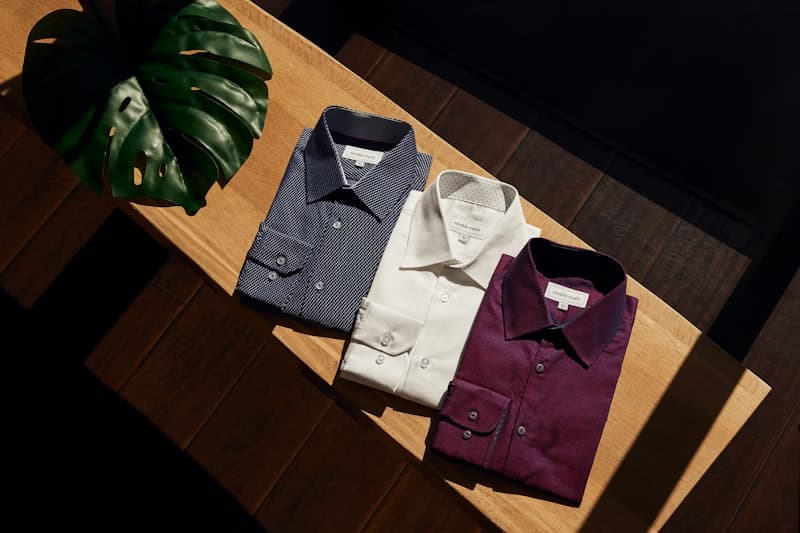
Suit Styling for the Young Professional: Modern Looks Under $1,500
How young professionals can build a versatile suit wardrobe without breaking the bank. Fit, fabric, and styling tips for the office, networking events, and after-work socials.
Entering the professional world with a limited budget does not mean you have to look like you borrowed your father's suit. The modern young professional — whether in finance, law, tech sales, or consulting — needs a wardrobe that communicates competence, confidence, and contemporary taste without the six-figure salary that usually accompanies it. The good news is that the $400 to $1,500 range has never been better for suit quality.
Brands like Suitsupply, Spier & Mackay, and J.Crew's Ludlow line have democratized half-canvassed construction and quality Super 120s wool at prices that were unheard of a decade ago. This guide covers everything from finding the right off-the-rack fit to making your first bespoke purchase, all while keeping your bank account healthy and your appearance sharp.
The Golden Rules of Fit for Young Professionals
Fit is the single most important factor in how your suit is perceived. A $500 Suitsupply suit that fits perfectly will look more expensive than a $3,000 Armani that is half a size off. The shoulders should sit flush against your own — the seam should align with the edge of your shoulder bone, not hang over or pinch in. The jacket length should cover your seat, ending roughly at the first knuckle of your thumb when your arms are at your sides. Sleeves should show a quarter to half an inch of shirt cuff.
Trousers are equally critical. The break — where the hem meets your shoe — should be either no break (hem sits just above the shoe) or a slight half break (a single fold at the front). Full breaks and cuffed hems are traditional but can make younger men look like they are wearing their father's clothes. Go for flat-front trousers rather than pleats for a cleaner, more modern silhouette. Have every pair of trousers hemmed professionally for $15–$25 — it makes an enormous difference. Most young professionals need a tailor's adjustments on jacket sleeves, waist suppression, and trouser length, so budget $75–$150 for alterations on any new suit.
Building a Capsule Suit Wardrobe on a Budget
You do not need a closet full of suits to start. The ideal three-suit capsule for a young professional begins with a charcoal gray mid-weight worsted wool suit. Charcoal is the most versatile suit color — it works for interviews, client meetings, funerals, evening events, and nearly every professional occasion. Your second suit should be navy blue, also in worsted wool. Navy is slightly less formal than charcoal and offers excellent pairing with brown shoes and a wider range of shirt colors.
Your third suit should be medium gray or a subtle Prince of Wales check. This is your rotation suit for non-critical days and after-work events where you want to look polished but approachable. Budget approximately $400–$600 per suit from Suitsupply's Havana or Jort lines, or Spier & Mackay's contemporary fit. Reserve the remaining budget ($200–$400) for a quality dress shirt, ties, and shoes. Charles Tyrwhitt and TM Lewin offer four-for-$200 shirt deals. For ties, look at The Tie Bar or Drake's for quality silk knots starting at $35.
Styling That Says Modern, Not Stuffy
The biggest mistake young professionals make is dressing like their middle-aged bosses. You can be professional without looking dated. Start with your shirt collar — spread collars and cutaway collars look more current than traditional points. Wear the collar unbuttoned without a tie for a Friday or post-work look that is still office-appropriate. Your tie width should be 2.5 to 3 inches — anything wider says 1980s, anything narrower says 2000s hipster.
Footwear is where many young professionals fall short. Oxford shoes are the gold standard for formal suits, but a good pair of derby shoes or whole-cut oxfords work just as well for less formal settings. Meermin and Beckett Simonon offer excellent calfskin shoes under $200 — a fraction of what Allen Edmonds or Loake charge. Match your belt to your shoes in color and finish. For socks, skip the black nylon tubes. Invest in over-the-calf merino wool socks from Darn Vermont or Pantherella in navy, charcoal, burgundy, and olive that complement your trousers rather than matching them exactly.
Season-Specific Suiting Strategies
Your suit strategy needs to adapt throughout the year. In summer, switch from your heavy worsted wool to a lighter-weight suit — Suitsupply's Sienna line in cotton or linen-cotton blends is perfect for warmer months. Swap your tie for a knit tie or skip it entirely for an open-collar look with a structured sports coat. In winter, layer with a merino wool turtleneck under your suit jacket for a contemporary, cozy look that works at both the office and after-work drinks.
Spring and autumn call for texture. A wool flannel suit in dove gray or navy is ideal for transitional weather. Add texture through your accessories — a knitted silk tie, a linen pocket square, or suede shoes. The key is to look intentional rather than trying to copy a seasonal lookbook. Invest in a good lightweight overcoat as well — a single-breasted wool-cashmere blend in charcoal or camel from COS or Massimo Dutti will layer over any suit in your rotation for under $400.
Grooming, Presence, and the Complete Package
A great suit is undermined by poor grooming. Keep your haircut current — a mid-skin fade or classic side part with texture on top works with virtually any suit style. Trim or shape your beard if you have one; scraggly facial hair with a suit looks unkempt. Nails should be clean and trimmed. Shoes should be polished. The jacket should be buttoned when standing (never the bottom button) and unbuttoned when sitting.
Your confidence is your best accessory. Stand up straight — shoulders back, chin parallel to the ground. A fitted suit will naturally encourage better posture. Speak deliberately and make eye contact. Remember that your suit is a tool to help you command respect and attention, not a costume. The goal is not to look like you are wearing armor but to look like a man who is completely comfortable in his own skin and his own clothing. When your suit fits and your grooming is sharp, you can stop thinking about what you are wearing and focus entirely on the people you are meeting.
Where to Invest vs. Where to Save
Invest in: your suit's wool fabric (Super 120s minimum), a good tailor for adjustments ($75–$150), quality calfskin dress shoes ($180–$350), over-the-calf socks in natural fibers, and a proper wooden hanger for each suit. Save on: brand names (Suitsupply looks as good as Boss), multiple suits in trendy colors (stick to Navy, Charcoal, and Gray), expensive ties (The Tie Bar quality is excellent at $35), and dry-cleaning frequency (spot-clean and steam between full cleanings).
Your total investment for a professional-grade three-suit wardrobe with shoes, shirts, and accessories should be between $1,200 and $2,000. That is less than one month's rent in most major cities, and far cheaper than missing a promotion because you didn't look the part. Build slowly, invest in quality, and let your competence — not your clothing — do the talking. But let your clothing make sure they listen.