The Efficient Solopreneur's Wardrobe Capsule: Dress for Success in Minutes
Build a minimalist wardrobe capsule for solopreneurs. Save time and money with versatile pieces that work from coffee shops to client meetings.
Why Solopreneurs Need a Wardrobe Capsule
As a solopreneur, every minute counts. Standing in front of a packed closet thinking "I have nothing to wear" is a productivity killer. The wardrobe capsule concept — a curated collection of interchangeable high-quality pieces — solves this decisively. By reducing decision fatigue, you conserve mental energy for what truly matters: growing your business. Think of it as a startup for your closet: lean, efficient, and built to scale. The typical solopreneur attends coffee shop work sessions, client lunches, casual networking events, and the occasional formal pitch — your wardrobe must cover all these without requiring a suitcase.
The Core Building Blocks: Seven Pieces, Endless Combinations
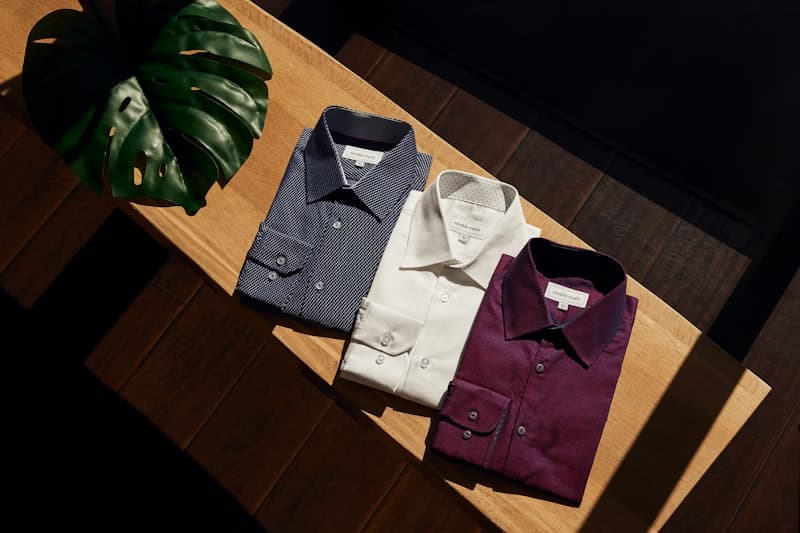
Start with seven foundational pieces that form the backbone of your capsule. Choose two tailored blazers in navy and charcoal grey from Suitsupply or Spier & Mackay ($300-$500 each). Add two oxford cloth button-downs in white and light blue — Brooks Brothers or Charles Tyrwhitt ($80-$120 each). Include one premium knit polo from John Smedley or Sunspel ($150-$200). Finish with two pairs of trousers: one charcoal wool and one khaki chino in a slim-straight cut. These seven items create over twenty distinct outfits when paired correctly. The key is fabric quality: 100% cotton for shirts and Super 120s wool for blazers ensure durability and a polished appearance that lasts through repeated wear.
Smart Footwear and Outerwear Strategy
Footwear and outerwear complete the capsule without cluttering it. Invest in two pairs of shoes: dark brown leather derbies from Loake or Meermin ($200-$300) and clean white leather sneakers from Common Projects or Axel Arigato ($300-$400). The derbies handle client meetings and formal events; the sneakers elevate casual looks without looking sloppy. For outerwear, a single mid-grey wool overcoat from COS or Massimo Dutti ($250-$400) layers over everything in colder months. In warmer weather, a navy unstructured blazer from Bogliioli ($350) works as both jacket and outer layer. This approach keeps your closet compact while maintaining versatility across all four seasons.
Dressing for Every Solopreneur Scenario
Your capsule must flex across five common scenarios. For morning coffee shop work sessions: chinos, knit polo, and white sneakers — comfortable yet presentable enough for unexpected encounters. For client lunches: navy blazer, white oxford, charcoal trousers, and derbies — authoritative without being overdressed. For networking events: charcoal blazer, light blue oxford, dark wash jeans if permitted, or wool trousers for traditional settings. For video calls: a well-fitted shirt visible above the waist with a structured collar that frames your face professionally on camera. For formal pitches: the full suit combination with a silk tie from Kiton or Hermès completes the ensemble. Each scenario draws from the same seven core pieces, proving the capsule's efficiency.
Maintaining Your Capsule for Longevity
A capsule wardrobe demands disciplined maintenance. Rotate shirts after each wear and never wear the same blazer two days in a row — let the fabric rest for at least 24 hours. Invest in quality wooden hangers from The Laundress and cedar shoe trees ($25 each) to preserve shape. Dry clean blazers quarterly, not weekly; over-cleaning damages natural fibers. Replace collar stays annually — they bend and lose stiffness over time. Budget $200-$300 per year for maintenance: replacing worn soles, restitching buttons, and refreshing white shirts that yellow. With proper care, your $2,000 capsule investment delivers five to seven years of daily use, costing roughly $1 per wear — exceptional value compared to fast-fashion alternatives.
The Economics of the Capsule Approach
Compare the capsule strategy against a typical scattered wardrobe. The average man spends $800-$1,200 annually on impulse clothing purchases, accumulating 40-60 mediocre pieces that rarely coordinate. A deliberate capsule costs $2,000-$3,000 upfront but lasts 5-7 years with minimal annual maintenance. The time savings are equally compelling: capsule dressing reduces morning outfit selection from 5-10 minutes to under 90 seconds. Over a year, that's 20-35 hours reclaimed — nearly a full work week. Brands like Brunello Cucinelli, Loro Piana, and Kiton offer premium capsule options at higher price points, but Suitsupply, Theory, and Banana Republic provide excellent entry-level alternatives. Start with the seven core pieces, add one seasonal item per quarter, and watch your efficiency — and your style — transform.