The Ultimate Business Travel Capsule Wardrobe Guide
Pack smarter, not harder. Learn to build a 15-piece capsule wardrobe that covers meetings, dinners, and downtime — all in one carry-on for seamless business travel.
What Is a Capsule Wardrobe?
The capsule wardrobe concept originated in 1970s London, pioneered by boutique owner Susie Faux. The core idea is simple: own fewer, better pieces that mix and match to create maximum outfits with minimum items. For frequent business travelers, a well-planned capsule wardrobe eliminates packing stress, reduces luggage weight, and ensures you are appropriately dressed for every situation. A successful business travel capsule typically contains 12 to 18 carefully selected items that, through strategic combinations, cover formal meetings, client dinners, networking events, and leisure time. The fundamental principle is that each piece should work with at least three others, creating a multiplier effect from a minimal base. Another key philosophy is quality over quantity — five well-made pieces will serve you far better than ten cheap ones. Quality fabrics and construction not only look better but resist wrinkles, hold their shape, and perform well throughout your journey.
Detailed Core Item List
Tops (5 pieces)
- Navy blazer — the most versatile business piece. Pairs with dress trousers for a complete suit, with chinos for business casual, and with jeans for relaxed evenings. Choose a single-breasted, two-button style in wool blend for maximum versatility.
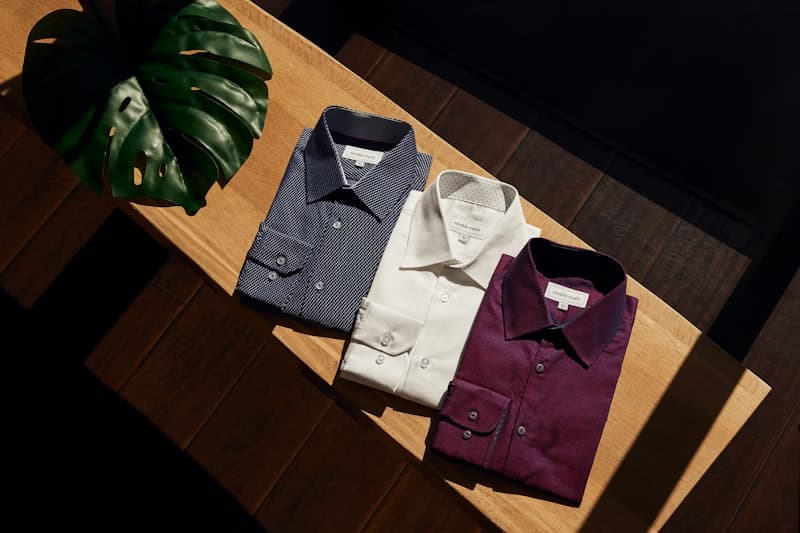
- Light blue dress shirt — professional yet approachable, works with or without a tie. The blue tone is more approachable than stark white.
- White dress shirt — classic and formal, essential for important meetings and presentations. Choose a non-iron fabric for wrinkle resistance during travel.
- High-quality gray polo shirt — bridges business and casual effortlessly. Wear with a blazer for a sharp look or alone for downtime. Pique cotton holds its collar shape best.
- Navy knit cardigan or fine-gauge sweater — perfect for layering, ideal for air-conditioned rooms and airplane cabins. Choose Merino wool for lightweight warmth.
Bottoms (3 pieces)
- Gray wool trousers — creates a complete suit when worn with the navy blazer. Choose mid-gray for maximum versatility.
- Khaki chinos — the backbone of business casual, works with blazer or polo. Sand or classic khaki color pairs with virtually everything.
- Dark wash slim jeans — suitable for casual dinners and exploring. Choose a dark rinse without distressing or holes.
Footwear (2 pairs)
- Brown derbies or loafers — dressy enough for meetings, relaxed enough for dinner. Dark brown is more versatile than black and pairs with both suits and chinos.
- Minimalist white leather sneakers — comfortable for sightseeing and travel days. Choose all-white, full-grain leather for maximum versatility.
Accessories (4 to 5 pieces)
11 to 12. Two ties (one solid navy, one with subtle pattern like stripes or dots) 13. Brown leather belt (matching your shoe color) 14. A versatile watch on a metal bracelet or leather strap 15. A multi-compartment business backpack or weekender bag, 20 to 30 liter capacity with laptop compartment
Packing Strategy
Use the rolling method for shirts, T-shirts, and trousers — roll them tightly and pack vertically. Use packing cubes to separate clean from worn items and to compress volume. For the blazer, use the folding method: turn one shoulder inside out, fold the other shoulder into it, then fold in half vertically and place in a garment bag. Stuff socks and underwear inside shoes to save every inch of space. Place wrinkle-prone items on top and hang them immediately upon arrival. Keep a printed packing list inside your suitcase lid so you never forget essentials. Electronics like chargers and adapters should be consolidated in a single pouch for easy access through airport security. A foldable tote bag can serve as an extra carry-all or daily bag during your trip. Consider compression bags for sweaters and cardigans to reduce volume by about 50 percent.
Seven-Day Business Trip Rotation
Day 1 (Travel plus evening networking): Navy blazer with white shirt, no tie, and loafers — comfortable upon arrival yet appropriate for welcome drinks. Day 2 (Full-day meetings): Navy blazer with light blue shirt, navy tie, and derbies — the most formal and foolproof business combination. Day 3 (Meetings plus client dinner): Gray trousers with white shirt, cardigan, and derbies — a day without the blazer, the cardigan provides sufficient formality. Day 4 (Half-day meetings): Khakis with polo shirt, optional blazer, and loafers — half days call for a more relaxed yet professional approach. Day 5 (Client presentations): Navy blazer with light blue shirt, patterned tie, and derbies — the patterned tie adds personality for client meetings. Day 6 (Casual Friday plus weekend): Dark jeans with polo shirt and sneakers — perfect for exploring local culture and cuisine. Day 7 (Travel home): Khakis with white shirt, cardigan, and loafers — comfortable and presentable for the journey home.
This rotation offers a fresh look every day using only the 15 items listed. Subtle adjustments like rolling sleeves, unbuttoning the collar, or adding a pocket square can create additional variation within the same pieces.
Adjusting for Trip Duration and Destination
Three-day quick trip: Trim to 10 items, drop the spare tie, jeans, and cardigan. Five-day standard trip: The full 15-piece list works perfectly. Seven to ten days: Add one spare shirt and an extra pair of chinos, or choose a hotel with laundry service. Cold climate travel: Replace the polo with a Merino wool turtleneck, add a cashmere scarf. Hot climate travel: Add a linen shirt to replace one dress shirt, choose more breathable fabrics. Industry formality matters too — finance and legal professionals need more formal configurations, while tech and creative industries allow more relaxed options.
Fabric Intelligence for Travel
Choose wrinkle-resistant fabrics for travel. Cotton-polyester blend shirts hold their shape better than pure cotton after being packed. Wool-blend blazers resist creasing better than pure wool. Non-iron treated shirts save you precious hotel time otherwise spent ironing. Darker colors and medium-saturation tones are more forgiving of minor stains and look professional under varying lighting conditions. Merino wool is an exceptional travel fabric — it naturally resists odors, wicks moisture, and recovers from wrinkles. A Merino wool T-shirt can be worn multiple days without developing noticeable odor. Lightweight fabrics also reduce luggage weight significantly: a lightweight wool suit weighs about 30 percent less than a traditional one. Machine-washable trousers and shirts make extended trips much easier to manage.
FAQ
Q: Should I bring workout clothes on a business trip? A: Yes — pack one quick-dry T-shirt and a pair of shorts. They take minimal space and help with jet lag recovery and maintaining exercise routines.
Q: Is a carry-on sufficient for a week-long trip? A: For 3 to 5 day trips, absolutely. For 7 or more days, consider a larger checked bag plus backpack, or choose hotels with laundry service.
Q: How do I keep dress shirts wrinkle-free in luggage? A: Use the shirt-folding board method, place cardboard inserts at collar and cuff areas, and request a garment steamer from your hotel upon arrival.
Q: Is a capsule wardrobe suitable for all industries? A: Suitable for most, but creative industries and finance differ in formality. Adjust the balance of casual versus formal pieces accordingly.
Q: How do I keep shoes fresh during a trip? A: Use shoe bags, rotate pairs so no pair is worn two days in a row, and insert cedar shoe trees or deodorizing sachets overnight.
Summary
A business travel capsule wardrobe is about curation and combination — not packing more clothes, but packing the right clothes. Fifteen carefully chosen items can generate 20 or more distinct outfits covering business, social, and casual scenarios. Spend 30 minutes planning your travel wardrobe, and you will travel lighter, dress smarter, and project confidence at every destination. Start adopting the capsule mindset today, and transform business travel packing from a chore into an expression of personal style and practical intelligence. The best travel wardrobe is the one you forget about — allowing you to focus on the purpose of your journey.
Sustainability and the Capsule Mindset
Beyond convenience and efficiency, the capsule wardrobe approach also aligns with sustainable fashion principles. By owning fewer, higher-quality pieces that you wear more frequently, you reduce the overall demand for fast fashion production. Each item in a capsule wardrobe is selected with care and worn many times, dramatically lowering its cost-per-wear and environmental footprint. The average garment in a traditional wardrobe is worn only seven times before being discarded, whereas a capsule wardrobe piece may be worn hundreds of times over several years. This shift from quantity to quality is one of the most impactful changes any professional can make toward more sustainable consumption habits.
Furthermore, packing light reduces your carbon footprint during travel — lighter luggage means more fuel-efficient transportation, whether by plane, train, or automobile. Many airlines now enforce strict weight limits for carry-on luggage, and a well-planned capsule wardrobe ensures you stay within those limits without sacrificing style or professionalism. The capsule mindset ultimately extends beyond travel to transform how you think about your entire wardrobe. It encourages intentional consumption, better care for your belongings, and a deeper appreciation for craftsmanship and quality.