Tailoring and Fit: The Foundation of Mens Fashion
Fit is the single most important factor in men's style. Learn how proper tailoring transforms your wardrobe and how to achieve the perfect silhouette.
Why Fit Matters More Than Brand or Price
You can spend thousands on a designer suit, but if it does not fit properly, a thrifted piece altered by a skilled tailor will always look better. This is the fundamental truth of men's fashion: fit is king. No fabric, no label, no trend can compensate for shoulders that droop, sleeves that engulf your hands, or trousers that pool around your ankles. Fit communicates attention to detail, self-awareness, and respect for your own appearance.
The difference between off-the-rack and tailored is not subtle. Off-the-rack garments are designed to fit an average person who does not exist — shoulders too wide, sleeves too long, torso too boxy. A tailor bridges the gap between the manufacturer's generic template and your unique body geometry. The result is clothing that moves with you rather than against you, creating a silhouette that looks intentional rather than accidental.
Understanding the Key Fit Points in a Jacket
The shoulder seam is the most critical fit point on any jacket or blazer. It should sit exactly at the edge of your shoulder bone — not hanging off the side, not creeping onto your shoulder cap. When the shoulders fit correctly, everything else is easier to adjust. When they do not, the entire garment will look borrowed regardless of what alterations you make elsewhere.
Next, examine the chest and waist suppression. A well-fitted jacket should close without pulling at the button, but it should also not hang like a sack. You should be able to slide a flat hand between your chest and the closed jacket — no more and no less. The lapels should lie flat against your chest without gaping, and the collar should hug the back of your neck without a visible gap when you raise your arms forward.
Perfecting Trousers and Shirts
Trouser fit starts at the seat and rises through the waist. The waistband should sit at your natural waist, not below it, and should hold without a belt — a belt is for accent, not necessity. The seat should follow your curve without being tight across the back pockets or loose below them. The break, or how the hem meets your shoe, depends on your style preference, but a slight break is the most universally flattering option.
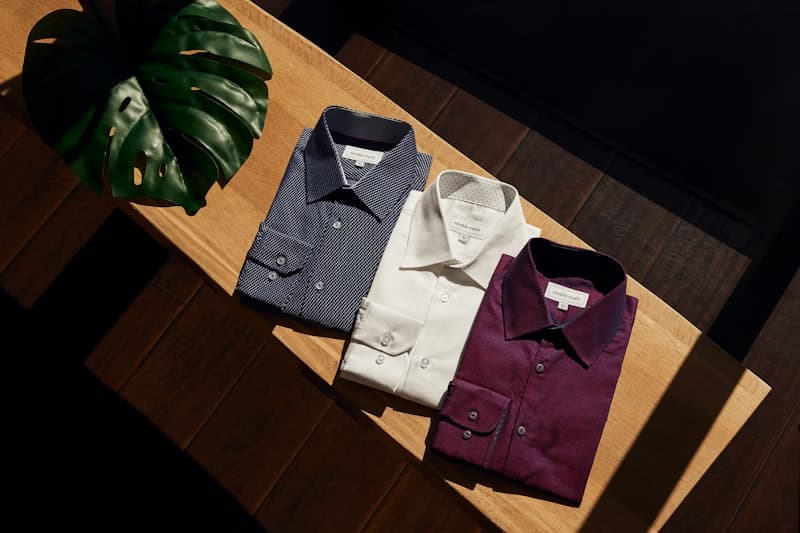
Shirt fit is often neglected but equally important. The collar should button comfortably around your neck without a gap or choking tightness — one finger should slide in easily. The shoulder seam should align with your shoulder bone, just like a jacket. The chest and torso should follow your body without pulling at the buttons or billowing excessively. If you tuck your shirts, the side seams should fall straight down rather than pulling outward.
Working With a Tailor: What You Need to Know
Find a tailor who specializes in men's garments, not someone who mostly hemmed wedding dresses. Ask to see examples of their jacket work specifically. A competent tailor can perform miracles on the right foundation — taking in the sides, shortening sleeves, adjusting the seat of trousers, and even recutting a collar. However, no tailor can fix a jacket with wrong shoulders or trousers with insufficient thigh room, so choose your base garment carefully.
Communicate clearly with your tailor. Bring the shoes you will wear with the garment and describe how you intend to use it — business meetings, weddings, casual Fridays. Pin the garment yourself in front of a mirror before bringing it in, marking exactly where you want the adjustments. A good tailor will confirm your instincts or gently suggest alternatives, but the final decision should always be yours based on how the garment feels when you move.
The Most Common Fit Mistakes and How to Fix Them
The most common fit error is sleeves that are too long. Jacket sleeves should end at the wrist bone, showing approximately one centimeter of shirt cuff. Shirt sleeves should extend just past the wrist bone when your arms are at your sides. Too-long sleeves make even expensive jackets look sloppy and disproportionate. This is the single easiest and most impactful alteration you can request.
Pants that are too long are equally problematic. Trousers that bunch over your shoes create visual clutter and shorten your legs. The hem should lightly brush the top of your shoe in front and descend to the middle of the heel in back. For a modern, cleaner look, ask for no break or a slight break depending on your height and the formality of the garment. Cropped trousers that show ankle work well with loafers but not with lace-up dress shoes.