Summer Wardrobe Essentials for the Modern Man
Stay cool and stylish through the hottest months with these essential summer pieces. From linen shirts to unstructured blazers, dress for the season without sweat.
The Summer Fabric Hierarchy
Fabric choice makes or breaks a summer wardrobe. The three pillar fibers for hot-weather dressing are linen, cotton, and hemp, each offering distinct advantages. Linen is the undisputed champion of breathability — its hollow flax fibers allow air to circulate freely while wicking moisture away from the skin. A good linen shirt feels cool to the touch and actually becomes softer with each wash. Cotton in lightweight weaves like voile, seersucker, and poplin offers a smoother finish than linen while maintaining good airflow. Seersucker's puckered weave creates channels for air movement and keeps the fabric off your skin. Hemp, though less common, is stronger than linen and offers comparable breathability with superior UV protection. The construction matters as much as the fiber. Unlined jackets, open-weave knits, and loosely woven dress shirts all trap less heat than their fully constructed counterparts. Avoid synthetic blends in summer clothing — polyester and nylon trap heat and moisture, creating a greenhouse effect against your skin. Even a small percentage of elastane for stretch can reduce breathability noticeably.
The Linen Shirt: Summer's MVP
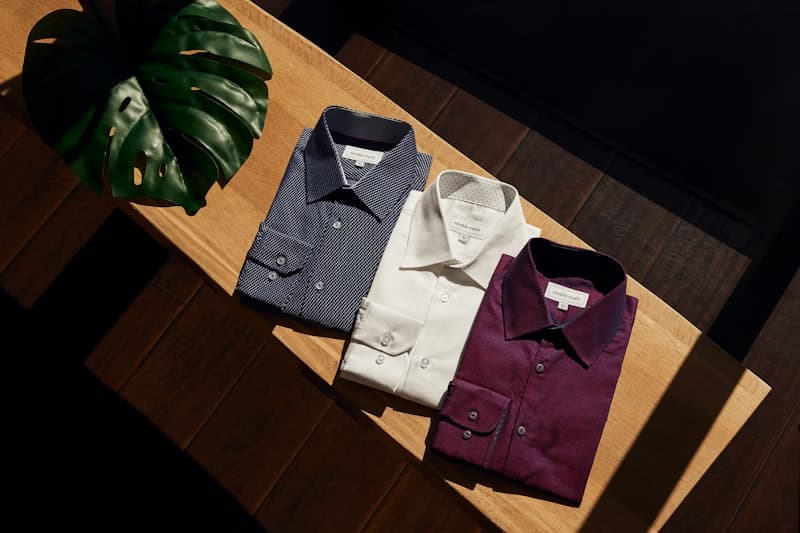
No single garment defines summer style like the linen shirt. The key to wearing linen well is understanding and embracing its quirks. Linen wrinkles — this is not a flaw but a feature that signals you're dressed appropriately for the heat. The perfect linen shirt has a slightly relaxed fit to allow airflow; a slim-cut linen shirt defeats the purpose by clinging to your skin when you sweat. Choose colors that complement your complexion and existing wardrobe: white and cream for maximum versatility, light blue for a polished look, and muted earth tones like rust, sand, and sage for a more relaxed aesthetic. Button-down collars work best for casual wear, while spread collars dress up nicely for evening occasions. Pay attention to placket construction — a French placket (hidden buttons) looks cleaner and more refined than a standard visible placket. For the highest quality, look for Irish or Belgian linen with a weight around 140 to 180 GSM. These mid-weight linens drape better than paper-thin varieties and resist excessive wrinkling while maintaining breathability. Expect to pay between eighty and one hundred fifty dollars for a quality linen shirt that will last five to ten years.
Unstructured Jackets and Summer Tailoring
The unstructured blazer is the most versatile piece in a summer wardrobe, bridging the gap between the formality of a suit jacket and the ease of a field jacket. Unlike traditional blazers, summer versions have minimal or no shoulder padding, little to no lining, and a softer construction that drapes like a cardigan. The ideal summer blazer is made from a lightweight fabric like linen, cotton-linen blend, or wool-mohair mix in a weight under 260 GSM. Colors should be lighter than your winter rotation: tan, light grey, navy in a hopsack weave, or olive. The jacket should work as a standalone piece with tailored trousers for a business-casual look or with jeans and a t-shirt for evenings out. Patch pockets contribute to the casual aesthetic. A two-button closure in a three-roll-two configuration offers the most relaxed silhouette. For travel, an unstructured blazer packs flat without wrinkling severely and emerges ready to wear after a brief steam. This single garment can transform a pair of chinos and a polo shirt into a dinner-appropriate outfit without requiring a full suit.
Summer Footwear Strategy
Summer footwear should prioritize breathability and ease of wear without sacrificing style. Loafers are the quintessential warm-weather shoe for men. Penny loafers in unlined calfskin or suede offer the best balance of polish and comfort — wear them without socks for the full summer effect. Horsebit loafers add a touch of refinement that works for dressier occasions. Venetian loafers, with their minimal construction and thin soles, are the most breathable option but offer less support for all-day walking. For casual days, canvas espadrilles provide exceptional airflow and pack flat for beach trips. Upgrade from basic versions by choosing rope soles with a leather trim and a canvas upper in navy, olive, or natural. Leather sandals have returned to fashion legitimacy, but choose wisely: a minimalist leather slide or a two-strap sandal in brown or black leather works with shorts and linen trousers alike. Avoid sporty sandals with velcro straps and thick rubber soles outside of the beach. For athletic summer days, a pair of low-profile canvas sneakers in white or cream completes the rotation without adding bulk.
Shorts, Swimwear, and Lightweight Trousers
Summer dressing requires mastering the art of the short hemline. Tailored shorts should hit just above the knee — anything longer reads as dated, and anything shorter reads as clubwear. A five to seven-inch inseam is ideal for most men, though taller men can go slightly longer. Choose flat-front shorts in cotton, linen, or cotton-linen blends. Colors should coordinate with your summer palette: navy, khaki, olive, and stone. Avoid cargo pockets, excessive branding, and heavily distressed fabrics. For swimwear, invest in a pair of tailored swim trunks in a solid color or subtle pattern. Look for a 1970s-inspired shorter cut, a drawstring waist, and a mesh lining. Quick-dry fabrics are functional but choose styles that don't look like athletic shorts. For evenings and air-conditioned environments, lightweight cotton or linen trousers in a straight or slim-straight cut provide polish without heat. Double-pleated trousers in linen or cotton offer superior airflow and a relaxed silhouette that suits summer's laid-back character. Cuffed hems add weight to the trouser leg, helping them drape properly in lightweight fabrics.
Accessories and Sun Protection
Summer accessories serve dual purposes: they complete your outfit while providing practical protection from the elements. A good pair of sunglasses is non-negotiable. Choose a frame shape that complements your face: wayfarers for round faces, aviators for angular faces, and round frames for square faces. Polarized lenses reduce glare and eye strain. A straw hat or Panama hat offers sun protection for your scalp and face while adding a distinctive summer touch. Lightweight cotton or linen pocket squares add a pop of color to unstructured blazers without adding warmth. A canvas or raffia tote bag replaces your leather briefcase for summer commuting — it's lighter, breathes better, and matches the season's aesthetic. For sun protection specifically, a lightweight scarf or bandana can protect your neck without adding bulk, and UPF-rated clothing offers reliable protection without reapplying sunscreen constantly. Remember that dark colors absorb heat while light colors reflect it, so prioritize white, cream, beige, and pastel tones for pieces worn in direct sunlight.