Summer Suiting: Waistcoat and Dress Shirt Combinations
A three-piece suit's waistcoat worn without the jacket is the ultimate summer alternative — formal enough for the office, cool enough for July.
The Waistcoat-as-Jacket Philosophy
Summer formalwear presents a genuine dilemma: you need to look professional and put-together, but wearing a full suit jacket in 30-degree heat is miserable and impractical. The solution has been hiding in your wardrobe all along — the waistcoat from a three-piece suit worn as an independent top layer. This approach offers the formality of a structured garment with significantly less fabric coverage, making it ideal for summer weddings, outdoor events, and air-conditioned offices where the walk between buildings is brutal.
The waistcoat-as-jacket look has historical precedent. In the early twentieth century, gentlemen routinely removed their jackets in warm weather and conducted business in waistcoats and shirtsleeves. The silhouette is instantly recognisable as intentional, not as a man who simply shed his jacket because he was hot. The key is treating the waistcoat as a deliberate styling choice, not a compromise.
Choosing the Right Waistcoat
Not every waistcoat works as a standalone piece. The ideal candidate has a low-cut front — the opening should sit at the natural waist, showing a generous V of shirt. High-cut waistcoats (common on older three-piece suits) look awkward without a jacket because they expose too much shirt above the trouser waistband. A modern, low-cut waistcoat with a pronounced V-shape maintains the torso's vertical line and keeps the proportions balanced.
Fabric weight matters for summer wear. Choose a waistcoat in the same lightweight or midweight wool as the rest of your summer suit — 200 to 250 gsm tropical or high-twist wool. Linen or linen-wool blends are excellent for extreme heat but wrinkle quickly; accept this as part of the fabric's character. Avoid heavy flannel or tweed waistcoats in summer no matter how good they look — you will defeat the purpose of removing the jacket. The waistcoat should also fit snugly through the torso, not loose enough to ride up or gape at the armholes.
Dress Shirt Selection Under the Waistcoat
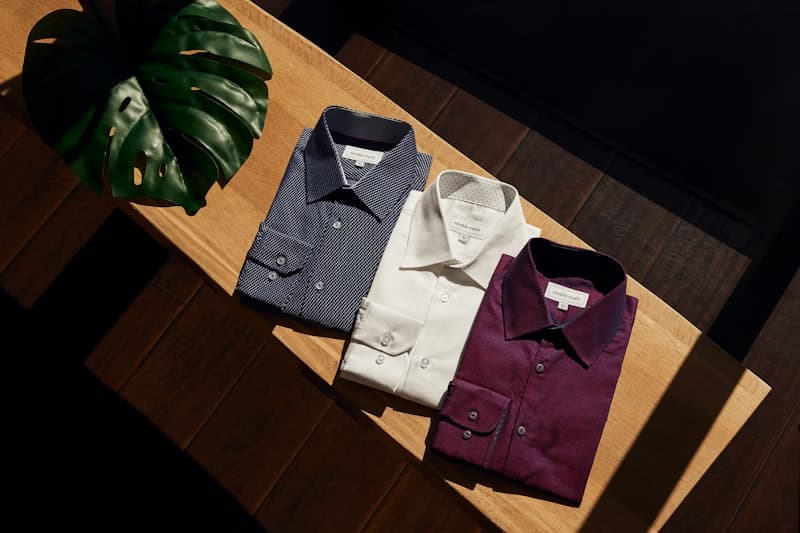
Because the waistcoat exposes more shirt than a full jacket does, your dress shirt becomes a more prominent visual element. Stick with high-quality, well-fitted shirts in crisp cotton — poplin or pinpoint oxford for dressier occasions, linen for casual summer events. The collar should be structured enough to stand up on its own; a spread or semi-spread collar frames the face without the jacket's lapels to provide visual context. Add a tie, and the collar's role becomes even more important.
French cuffs are an excellent choice for the waistcoat-only look. With no jacket hiding your wrists, the cuff becomes a focal point alongside the watch. Choose simple silver or gold knot cufflinks — nothing flashy. If you go tieless, unbutton the top one or two buttons and leave the collar open. A well-fitted V-neck undershirt or aero shirt (with a shallow neckline) ensures no visible underlayer. Never wear a crew neck T-shirt under a waistcoat.
Trousers and Footwear for the Waistcoat Look
The trousers from your three-piece suit are the natural partner for the standalone waistcoat. They should be cut with a clean, modern line — medium break or no-break, depending on your style. If the trousers have belt loops, wear a belt that complements the waistcoat's buttons (brass or silver to match). If the trousers are side-adjuster or brace-button style, even better — no belt means a cleaner line through the midsection.
Footwear should reflect the waistcoat's formality. Leather loafers (penny or horsebit) in brown or suede work well for summer daytime events. Suede chukkas or split-toe derbies bridge smart-casual and formal. For evening occasions, dark oxfords or wholecuts maintain the dressed-up feel. Avoid sneakers, boat shoes, or any open-toe footwear. The waistcoat sans jacket occupies a specific formality tier — smart enough to command respect, relaxed enough to be comfortable.
Accessories and Finishing Details
A pocket square worn in the waistcoat's breast pocket is a signature detail that many overlook. Since there is no jacket lapel to break up the torso, a neatly folded white linen pocket square adds a vertical flourish that draws the eye upward. Skip it for casual events; include it for weddings, garden parties, and formal dinners.
Watches deserve extra consideration when the jacket stays home. A dress watch with a leather strap complements the waistcoat's formality. A metal bracelet or sports watch creates a visual clash — the waistcoat is a vintage-inspired, refined garment, and a chunky diver's watch undermines the aesthetic. Keep the watch thin enough to slide under the waistcoat's armhole without snagging. A pocket watch worn in the waistcoat pocket is the historically correct choice, though admittedly less practical for modern men who rely on their wristwatch for timekeeping.