Summer Style Essentials for Men: Staying Cool and Sharp
Master summer style with breathable fabrics, lighter colors, and smart layering. Essential pieces and tips for looking sharp in the heat.
Fabric Choices That Beat the Heat
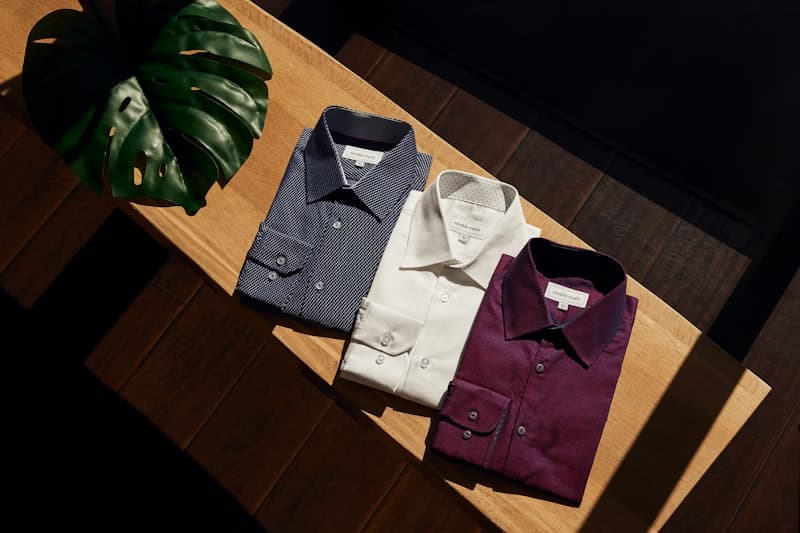
Summer style begins and ends with fabric selection. The wrong shirt in 32-degree humidity will ruin your mood and your appearance within minutes. Linen is the obvious champion — its hollow flax fibers create a natural air conditioning effect that synthetic fabrics cannot replicate. A linen button-down in white, light blue, or pink is the single most versatile summer garment a man can own. Pair it with almost any trouser, roll the sleeves twice, and you achieve an effortless Mediterranean cool that signals confidence.
Cotton is your everyday workhorse. Look for broadcloth or poplin weaves in lightweight constructions — anything below 150 grams per square meter is ideal for summer. Seersucker, with its signature puckered weave, keeps the fabric off your skin and allows air to circulate freely. For casual days, pique cotton polo shirts offer structure without weight and hold up better than standard jersey through repeated washing and sweating. Avoid polyester, nylon, and most synthetic blends in pure form — they trap heat and moisture, leaving you clammy and uncomfortable within an hour of stepping outside.
The Summer Color Palette
Light colors reflect sunlight while dark colors absorb it, and the difference is measurable. A white shirt can be up to ten degrees cooler than a black one under direct sun. This does not mean you must dress entirely in white, but it does mean your summer wardrobe should lean toward the lighter end of the spectrum. Cream, beige, stone, sand, light gray, pastel blue, soft pink, and mint green all reflect heat effectively while projecting a seasonal freshness.
Navy and chocolate brown are acceptable dark anchors for trousers and belts, provided the fabric is lightweight and the silhouette is relaxed. Avoid black entirely during daylight summer hours unless the occasion demands it — black absorbs heat and reads as heavy and formal against the lighter tones of the season. The exception is evening events, where black trousers or a dark blazer paired with a light shirt create the classic summer dinner look. For accessories, a woven leather belt in light brown or a braided rope belt adds texture without weight.
Footwear for Warm Weather
Closed-toe shoes in summer require careful selection. Loafers in suede or unlined leather are the gold standard for smart-casual summer dressing. They slip on without socks (or with invisible no-show socks) and pair equally well with chinos, linen trousers, and even tailored shorts. A penny loafer in tan or snuff suede works with almost everything. A horse-bit or driver-style loafer adds a touch of Italian sprezzatura that lifts a simple outfit into something memorable.
Espadrilles are the ultimate summer casual shoe. The traditional Spanish design with a canvas upper and jute rope sole is lightweight, packable, and effortlessly cool. Canvas sneakers in white or cream — the classic plimsoll or court-shoe style — serve the same function as trainers but look intentional rather than athletic. Avoid heavy leather boots, dark athletic sneakers, and any shoe with a thick black rubber sole during summer. Keep your footwear light in both color and construction, and let your shoes breathe as much as the rest of you.
Mastering the Art of Summer Layering
Layering in summer sounds counterintuitive but is essential for managing transitions. A lightweight unlined blazer or summer sports coat in cotton, linen, or a wool-mohair blend adds polish without overheating. It protects against aggressive air conditioning indoors and looks deliberate when removed and carried over the arm. The key is construction — summer jackets should have minimal or no lining, natural shoulder pads or none at all, and a soft drape that does not restrict movement.
An alternative to the blazer is the chore coat or safari jacket in lightweight cotton canvas. These styles provide the same structuring effect as a blazer — framing the shoulders and defining the waist — but in a more relaxed idiom that suits daytime occasions. A lightweight knit vest or gilet worn over a linen shirt adds visual interest and an extra layer of warmth for cooler evenings without the weight of a full jacket. The cardinal rule of summer layering is that every piece must be individually breathable; layering two fabrics that do not breathe creates a sauna effect that defeats the purpose.