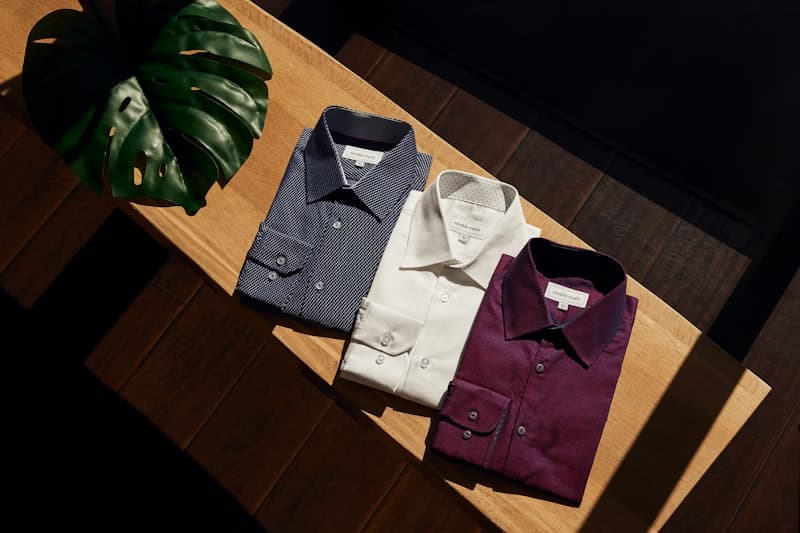
The Complete Guide to Summer Linen Clothing: Fabric Quality, Care, and Styling for Men
Linen is summer's most breathable natural fiber — but wear it wrong and you look sloppy. This guide covers everything from linen quality grades and wrinkle management to full outfit combinations for every summer occasion.
Why Linen Rules Summer
There is a reason linen has been worn for thousands of years. The ancient Egyptians wove it, the Romans prized it, and modern men — finally waking up to the fact that synthetic blends trap heat like a winter coat — are rediscovering it. Linen is not just a fabric; it is a thermal management system built from flax fibers. It absorbs moisture without holding it against your skin, dries faster than cotton, and allows air to circulate freely through its loose weave. On a 35-degree summer day, a linen shirt can feel ten degrees cooler than a cotton one of equivalent weight.
But linen comes with a reputation problem. Many men associate it with excessive wrinkling, a stiff hand that takes forever to soften, and a rarified preppy aesthetic they don't know how to pull off. The truth is more nuanced. Quality-grade linen behaves very differently from cheap linen. Properly fitted linen can look sharp rather than sloppy. And with modern fabric blends and finishing techniques, today's linen is more wearable than anything your grandfather owned.
This guide covers everything: how to evaluate linen quality, how to care for linen so it lasts, and how to style it for casual, business, and semi-formal summer occasions.
Understanding Linen Quality
Not all linen is created equal. The difference between a $40 linen shirt and a $200 one is not just branding — it is measurable in fiber length, weave density, and finishing.
Fiber Length and Source
The best linen comes from long-staple flax fibers. Long fibers spin into smoother, stronger yarns that pill less and hold their shape longer. The most prestigious sources are:
Irish Linen: Grown and woven in Ireland, this is the historical gold standard. Irish linen has a crisp, clean hand and a subtle luster that comes from the region's specific processing techniques. Brands like Baird McNutt and Thomas Ferguson produce linen that softens beautifully over time without losing its structure. Irish linen is typically more expensive because the spinning and weaving processes are more labor-intensive.
Belgian Linen: Belgium grows some of the finest flax in the world, particularly from the Lys River valley. Belgian flax is known for its long fibers and consistent quality. Many high-end Italian shirtmakers source Belgian linen for their premium offerings. The fabric tends to be softer initially than Irish linen but still holds its shape well.
Italian Linen: Italian mills excel at finishing and blending. They take flax fibers and weave them into fabrics that drape more fluidly, often blending with small amounts of silk or wool for added refinement. Italian linen is popular in tailored clothing — suits and sport coats — because the softer hand works better for structured garments.
Eastern European and Chinese Linen: The vast majority of affordable linen comes from China or Eastern Europe. Quality varies enormously. Some Chinese mills produce excellent linen for mid-tier brands, but cheaper options often use shorter fibers, resulting in more slubs (those little bumps), faster fraying, and a rougher texture that takes longer to soften.
Weight and Weave
Linen is measured in grams per square meter (GSM). The weight determines both drape and breathability:
Lightweight (100-150 GSM): Sheer, almost translucent. Best for summer scarves, lightweight shirting, and resort wear. Can be too flimsy for structured garments. Wrinkles easily and requires careful handling.
Medium weight (150-200 GSM): The sweet spot for shirts. A 170-190 GSM linen shirt has enough body to hold its shape while remaining breathable. This is what most quality linen shirts should be.
Medium-heavy (200-250 GSM): Ideal for blazers, suits, and trousers. Heavy enough to drape well and resist excessive wrinkling. Most tailored linen garments fall in this range.
Heavy (250+ GSM): Used for upholstery and bags primarily. Too stiff for most clothing unless you specifically want a very structured look.
Weave type also matters. Plain weave (the most common) is simple and breathable. Twill weave is more durable and wrinkles less but is less breathable. Herringbone and basket weaves add visual interest and texture but can be warmer.
Linen Blends
Pure linen (100% linen) is the most breathable but also the most prone to wrinkling. Blends offer compromises:
Linen-Cotton (50/50 or 55/45): The most common blend. Cotton adds softness and reduces wrinkling while sacrificing some breathability. A linen-cotton shirt is more practical for daily wear but won't feel as cool on the hottest days.
Linen-Wool: Typically used in suiting. Wool adds memory and structure while linen adds breathability. A 50/50 linen-wool suit is perfect for summer business travel — it wrinkles far less than pure linen while staying cool.
Linen-Silk: Adds a luxurious sheen and softness. Linen-silk blazers are beautiful for evening summer events. The silk content reduces wrinkling significantly but also increases cost and care requirements.
Linen-Tencel: An eco-friendly blend. Tencel (lyocell) adds a silky drape and reduces wrinkling while maintaining breathability. Emerging as a popular choice for casual linen clothing.
How to Identify Quality Linen
Before buying, use these tests:
The Feel Test: Quality linen should feel smooth, not rough. Rub the fabric between your fingers. Inexpensive linen feels scratchy; quality linen has a clean, crisp texture. The roughness should diminish as you imagine the fabric against your skin.
The Light Test: Hold the fabric up to light. Quality linen has an even weave with minimal thin spots. Cheap linen shows irregular gaps where the weaver cut corners.
The Slub Test: Slubs (small bumps in the yarn) are natural in linen, but excessive slubbing indicates short, inconsistent fibers. A few slubs give character; dozens suggest poor quality.
The Label Check: Look for the fiber source on the care label. "100% Linen — Made in Italy" or "Irish Linen" tells you something. Generic "100% Linen — Made in China" could be anything.
Wardrobe Staples: Building Your Linen Rotation
Linen Shirts
Every man needs at least two linen shirts for summer. The first should be white or off-white — the most versatile color that works with everything from navy chinos to light gray trousers to dark denim. The second should be a light blue, the most universally flattering color for men.
Fit is critical with linen shirts. Unlike cotton, linen does not stretch. A linen shirt that fits snugly across the chest will pull at the buttons all day and wrinkle aggressively in the wrong places. Go for a relaxed fit: the shirt should skim the body rather than hug it. The shoulder seam should sit at the edge of your shoulder bone. The collar should button comfortably with room for one finger. Sleeves should allow full arm rotation without pulling across the back.
Button-down collars are practical for casual wear — they stay put in the breeze. Spread collars are more elegant for occasions where you might wear the shirt untucked or partially tucked. Avoid stiff, fused collars in linen shirts; a soft, natural collar maintains the relaxed character of the fabric.
Linen Trousers
Linen trousers are the most underrated summer garment. A well-cut pair of linen trousers in a neutral color (beige, stone, navy, or olive) can replace chinos for the entire summer. They are cooler, more comfortable, and more distinctive.
Look for trousers with a mid-rise waist (sitting at the natural waist or just below), a straight or slightly tapered leg, and a hem that breaks once on your shoes. Pleats work well with linen because the fabric's natural drape accommodates them better than stiff cottons. Side adjusters or a belt both work, but side adjusters create a cleaner line.
Avoid excessively skinny cuts in linen trousers. The fabric does not have the stretch or recovery of cotton or wool, so a tight fit will look strained and wrinkle in unflattering ways. A relaxed fit with some room in the seat and thigh looks more intentional and elegant.
Linen Blazers and Suits
An unstructured linen blazer is the most versatile summer layering piece you can own. The key word is "unstructured" — a linen blazer should have minimal padding, no canvas, and soft shoulders. It should feel more like a shirt than a suit jacket. When you take it off, it should roll up and fit in a carry-on.
Linen suits are best reserved for events where you know everyone else will be in linen too — summer weddings, garden parties, upscale resort dinners. In an office setting, a linen suit can look odd if your colleagues are in worsted wool. But for the right occasion, nothing beats it.
When buying a linen blazer or suit, look for:
- Unstructured or minimally structured construction
- Patch pockets (a casual detail that suits linen)
- Mother-of-pearl or horn buttons (not plastic)
- A soft, natural shoulder line
- A three-roll-two or two-button front
Linen Accessories
Linen pocket squares, linen-cotton scarves, and even linen belts add subtle texture to summer outfits. A linen pocket square is less formal than silk but more interesting than cotton — perfect for the casual blazer look. Linen caps and hats are practical for beach days and garden work, though they require careful styling to avoid looking like you are on a gardening break.
Wrinkle Management: The Linen Paradox
Linen wrinkles. That is the nature of the fiber. The flax fiber lacks the crimp and elasticity of wool or the stretch of cotton. When you sit, the fabric creases. When you stand, the crease stays for a while. Accept this. Fighting it is futile.
However, not all wrinkles are equal. There is a difference between the intentional, relaxed wrinkles of quality linen worn well and the sloppy, excessive creasing of cheap linen worn poorly. Here is how to manage the balance:
Accept the "good" wrinkles: A linen shirt worn for a few hours will develop soft creases at the elbows and across the back — these are normal and even desirable. They signal that you are wearing natural fabric, not synthetic armor.
Minimize the bad ones: Avoid cheap linen that creases sharply and permanently at every fold. Quality linen wrinkles softly and recovers partially when you smooth it by hand. If your linen shirt looks like origami after thirty minutes, the fabric quality is the problem.
The steam trick: A handheld garment steamer is the best investment for linen care. A quick steam in the morning removes deep wrinkles without the aggressive heat of an iron. Steaming also relaxes the fibers so they drape better throughout the day.
The hang method: Hang linen garments in the bathroom while you shower. The steam releases wrinkles naturally. This works for overnight wrinkle removal better than ironing for most linen pieces.
Ironing when necessary: For dressier occasions, iron linen while it is still slightly damp. Use a hot iron with steam. Iron on the wrong side for dark colors to avoid shine. Pay special attention to collars, cuffs, and front plackets.
Travel strategies: Roll linen shirts rather than folding them to minimize creases. If you must fold, use tissue paper between folds. Hang garments immediately upon arrival.
Caring for Linen
Linen is durable — it is one of the strongest natural fibers — but it demands specific care to maintain its appearance.
Washing
Wash linen in cool or lukewarm water (max 30°C / 85°F). Hot water shrinks linen and sets wrinkles permanently. Use a gentle cycle with a mild detergent. Avoid bleach, which weakens flax fibers and causes yellowing. If you need to whiten white linen, use oxygen-based bleach or a natural lemon juice soak in sunlight.
Hand washing is ideal for delicate linen pieces like scarves and lightweight shirts. For trousers and heavier shirts, machine wash on a delicate cycle works fine. Turn garments inside out to protect the surface fibers and reduce pilling.
Drying
Never wring linen. The twisting motion breaks fibers and creates permanent creasing. Instead, press the water out gently or use a towel to absorb excess moisture.
Air drying is best. Hang linen on a padded hanger or lay flat on a drying rack. Direct sunlight brightens white linen naturally but can fade colors. Dry in the shade for colored pieces.
Tumble drying is acceptable on low heat for linen blends, but it will cause more wrinkling in pure linen. If you use a dryer, remove the garments while still slightly damp and hang them immediately.
Storage
Store linen in a cool, dry place. Avoid plastic garment bags, which trap moisture and can cause mildew. Use breathable cotton garment bags for long-term storage. Fold heavy linen items like trousers and blazers rather than hanging them on thin hangers that create shoulder dimples. Use wide, padded hangers for linen shirts and blazers.
Dealing with Stains
Linen is absorbent, so stains set quickly. Treat stains immediately. Blot (don't rub) fresh stains with a clean cloth. For wine or coffee stains, salt absorbs the liquid before it sets. For oil-based stains, apply dish soap directly, let it sit for fifteen minutes, then wash normally.
Perspiration stains are common in linen. A paste of baking soda and water applied to the stain for thirty minutes before washing helps lift both the stain and odor. White vinegar in the rinse cycle acts as a natural fabric softener and odor neutralizer.
Complete Outfit Combinations
Casual Summer Weekend
- White linen shirt, unbuttoned at the collar (two buttons open, no undershirt showing)
- Navy cotton or linen-cotton chinos, cuffed once
- Suede desert boots or leather driving shoes
- Woven leather belt
- Aviator sunglasses
This is the foundation summer outfit. The white linen shirt keeps you cool, the navy chinos ground the look, and the suede shoes add texture. Dress it down with canvas sneakers, dress it up with loafers.
Smart Casual / Dinner Out
- Light blue linen shirt, tucked in with a relaxed roll at the sleeves (two rolls above the elbow)
- Beige or stone linen trousers
- Brown leather loafers (without socks)
- A dark brown or oxblood leather belt
- A simple leather-strap watch
Sleeves rolled intentionally above the elbow signals relaxed confidence. Going sockless with loafers is the classic Mediterranean summer move — it works with linen better than any other shoe pairing.
Summer Office (Business Casual)
- White or light blue linen-cotton blend shirt (less wrinkling for the office)
- Mid-gray or navy wool trousers (not linen — the contrast works better in an office setting)
- Brown brogues or loafers
- A navy or olive wool blazer (kept on your chair back until needed)
Mixing linen with wool trousers balances comfort and professionalism. The linen shirt keeps you cool; the wool trousers keep you looking sharp. The blazer can be added for meetings.
Summer Wedding Guest
- A mid-blue or beige linen suit
- White linen shirt, spread collar
- No tie (or a knit silk tie in a contrasting color)
- Brown suede loafers or tan leather oxfords
- A linen pocket square in a complementary color
- A silk or linen-cotton summer scarf (for evening)
Linen suits at weddings require confidence. Own the relaxed look. The absence of a tie is intentional — a tie with a linen suit can look stiff. If you must wear a tie, choose a textured knit silk or a linen tie.
Resort / Beach Vacation
- An open-weave linen shirt in a bold pattern or color (pale pink, mint, or a subtle stripe)
- White linen trousers or tailored swim shorts with a drawstring
- Leather sandals or canvas espadrilles
- A Panama hat
On vacation, linen is your best friend. The more relaxed, the better. Oversized or loose fits are acceptable here in ways they aren't in the city.
Seasonal Transition: Wearing Linen Beyond Summer
Linen does not have to hibernate from September to May. Heavier weight linen (220-250 GSM) works well into early autumn when layered. A linen blazer over a merino wool turtleneck with flannel trousers is an unexpectedly sharp transitional outfit. The key is mixing textures: the smoothness of the linen blazer against the softness of the merino and the weight of the flannel creates visual depth.
In spring, linen-cotton blend shirts worn under a lightweight wool coat or a suede bomber jacket transition beautifully from cool mornings to warm afternoons.
The modern approach to linen is seasonal flexibility, not rigid calendar rules. If the weather cooperates, wear linen.