Summer Business Casual Styling Guide: Stay Cool, Look Professional
Master summer business casual with breathable fabrics, strategic layering, and smart styling choices that keep you comfortable without sacrificing professionalism.
The Challenge of Summer Business Casual
Summer presents a unique challenge for the modern professional. The traditional office dress code demands polish and structure, but soaring temperatures make heavy suits and thick dress shirts unbearable. Business casual was designed to bridge this gap, but many men struggle to find the right balance. Dressing too casually sends the wrong message in meetings, while overdressing leaves you sweating through presentations. The solution lies in smart fabric choices, strategic layering, and a thoughtful editing of your wardrobe.
The key principle is simple: maintain the silhouette and structure of professional attire while using lightweight, breathable materials. A linen blazer has the same visual impact as a wool one, but it breathes dramatically better. Similarly, a cotton-linen blend dress shirt looks crisp and professional while allowing air to circulate. The goal is to appear put-together without appearing to have fought the weather. When you look comfortable, you project confidence, and confidence is always in style.
Fabric Selection: The Foundation of Summer Comfort
Fabric is the single most important factor in summer dressing. Natural fibers should be your first choice for every layer. Linen is the gold standard for hot weather — it absorbs moisture without clinging, dries quickly, and has a naturally relaxed drape. The trade-off is wrinkling, but this is now widely accepted as part of linen's charm. For a more polished look, seek out linen-cotton blends that retain some of linen's breathability while reducing creasing.
Cotton in its many forms is your next best friend. Seersucker, a puckered cotton fabric, creates tiny air channels between your skin and the shirt, promoting airflow. Tropical-weight wool, despite sounding counterintuitive, is actually an excellent summer suiting fabric. The fibers wick moisture and the open weave allows heat to escape. Avoid synthetic blends like polyester and nylon for your main garments — they trap heat and moisture, creating an uncomfortable microclimate. Reserve synthetics for performance undershirts designed to wick sweat away from your body.
Essential Summer Pieces for Every Man
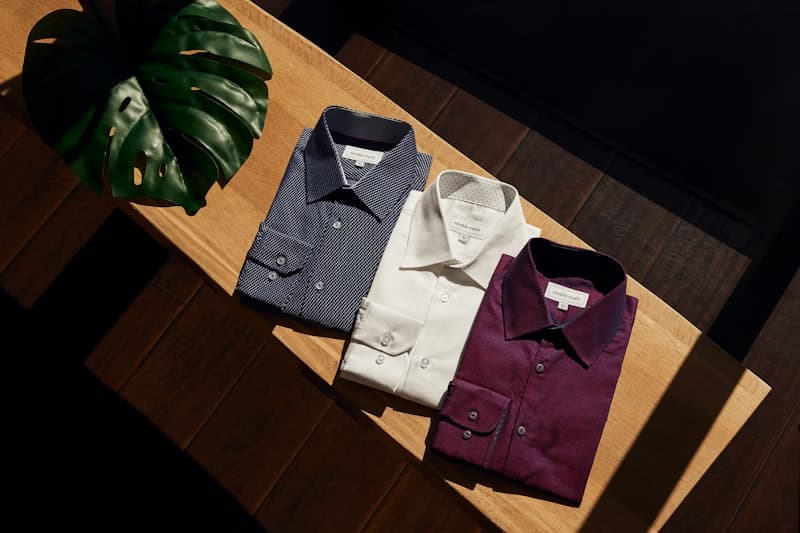
Every summer business casual wardrobe needs a foundation of versatile pieces that work together. Start with two or three lightweight blazers — one in navy linen, one in light grey cotton, and optionally one in tan or ecru. These should be unstructured or half-lined to reduce weight and improve airflow. Pair them with four or five dress shirts in cotton-linen blends, including white, light blue, and a subtle stripe or check pattern. Roll the sleeves once or twice for a relaxed but intentional look.
For bottoms, choose tailored chinos in lightweight cotton twill. Colors like stone, navy, khaki, and olive offer maximum versatility. Avoid heavy denim and dark, heat-absorbing colors. A pair of tailored shorts in a technical fabric can work if your office is very casual, but keep them at knee length and pair with a blazer for balance. Finally, invest in no-show socks or fine merino wool socks that breathe. Your feet will thank you, and your ankles will remain elegantly bare when you sit down.
Mastering Summer Layering Techniques
Layering in summer requires a completely different approach than winter. Think in terms of lightweight shells rather than heavy insulation. A linen or cotton overshirt worn open over a t-shirt creates a casual but intentional layered look. An unbuttoned cardigan in a fine-gauge cotton or silk blend adds visual interest without adding heat. The key is that each layer should be thin enough to wear individually if the temperature rises.
Strategic undershirts make all the difference. A moisture-wicking tank top or crew neck pulls sweat away from your body and protects your outer shirt from visible dampness. Keep your blazers unbuttoned when standing to allow airflow, and button only the top button when sitting to maintain a clean line. Pocket squares and ties should be retired for most summer days — they add heat without proportional benefit. If a tie is required, choose a knitted silk or linen tie that sits lighter against the chest.
Footwear and Accessories for Warm Weather
Summer footwear should prioritize breathability without sacrificing professionalism. Leather loafers in suede or pebbled leather are the ideal choice — they slip on easily, allow your feet to breathe, and look appropriate with both chinos and tailored shorts. Suede desert boots in tan or sand work well for slightly dressier occasions. Penney loafers in dark brown cordovan leather offer a classic option that ages beautifully. Avoid closed-lace oxfords and heavy boots during peak summer months.
Accessories should be minimal and functional. A woven leather belt adds texture and visual interest. A simple canvas or NATO-strap watch keeps your wrist cool and looks appropriately casual. Sunglasses with brown or green lenses complement the summer palette. A lightweight canvas or leather tote bag replaces heavy briefcases. Remember that summer style is about subtlety — let the fabrics and colors do the work, and resist the urge to over-accessorize. Less is always more when the temperature rises.
Common Mistakes and How to Avoid Them
The most common summer business casual mistake is taking "casual" too literally. Showing up to the office in flip-flops, cargo shorts, and a graphic t-shirt undermines your professional credibility. Even in the most relaxed environments, keep at least one professional element in your outfit — a blazer, a collared shirt, or leather shoes. Another frequent error is wearing dark, heavy fabrics that absorb heat and look out of season. Light colors and open weaves signal that you understand seasonal dressing.
Equally problematic is overdressing in an attempt to compensate. A full wool suit with a tie and pocket square in July looks as out of place as board shorts. Adapt your formality to both the weather and your workplace culture. Finally, do not neglect grooming — summer humidity wreaks havoc on hairstyles and skin. Keep a small grooming kit at your desk with powder, blotting papers, and a comb. When you look fresh, you look professional, regardless of what the thermometer says outside.