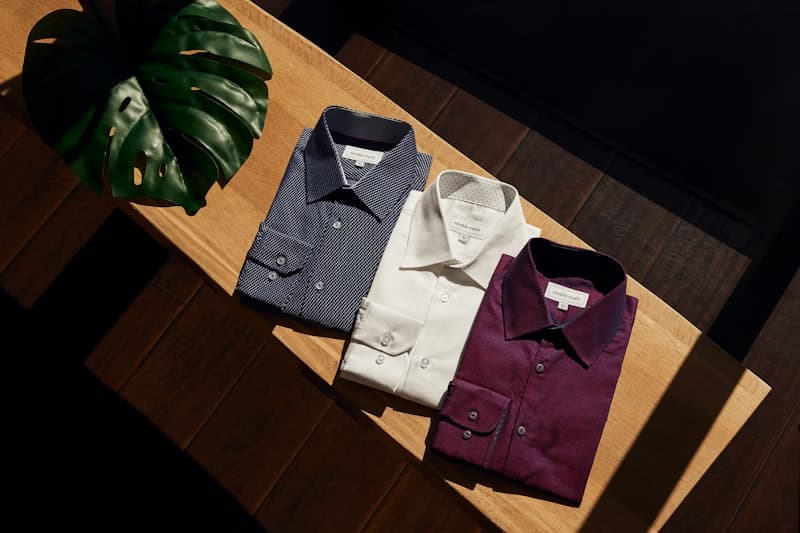
Summer Business Casual Guide: Looking Professional Without a Jacket
Summer heat doesn't mean you have to sacrifice style. Learn how to build a professional, polished wardrobe using lightweight fabrics, smart layering, and strategic color choices.
Summer is the most challenging season for professional dressing. A full suit and tie? You'll be drenched in sweat before you reach the office. A t-shirt and shorts? Too casual for client meetings, interviews, or most workplace settings. Business casual sounds simple in theory, but executing it well in 35°C (95°F) heat requires real thought.
After years of trial and error, I've distilled summer professional dressing down to three principles: breathable fabrics, clean silhouettes, and restrained color palettes. Follow these, and you won't need a jacket to look thoroughly professional.
1. Fabric First: Coolness Is Non-Negotiable
In summer dressing, fabric choice trumps everything. Get the fabric wrong and no amount of tailoring will save you.
Linen — the undisputed king of summer business wear. Linen absorbs 1.5x more moisture than cotton and breathes 3x better than synthetic fabrics. Wearing a linen shirt can lower your perceived temperature by 2-3°C compared to cotton. Yes, it wrinkles — but that's part of its character. The natural creases signal a relaxed confidence that's perfectly appropriate for business casual contexts. I keep five linen shirts in rotation (three solids, two stripes), covering everything from desk days to client lunches. Investment tip: buy high-quality linen (200+ threads) — it's noticeably softer against the skin and less transparent than cheaper versions.
Cotton-linen blends — the practical compromise. Pure linen wrinkles aggressively. Pure cotton doesn't breathe enough. A 60/40 cotton-linen blend hits the sweet spot: breathable enough for summer, wrinkle-resistant enough to look presentable through a full workday. This is your best bet for daily commuting.
Lightweight combed cotton — the all-rounder. Combed cotton is smoother and lighter than regular cotton, making it ideal for polo shirts and lightweight button-downs. Look for 80-120 thread count. It looks more structured than linen while still being genuinely cool — perfect for situations where you need to look crisp but feel comfortable.
Tencel/Lyocell — the underrated option. Tencel has a naturally cool hand-feel, smoother than cotton with excellent drape. It shines in trouser form: summer-weight wool trousers are too hot, cotton chinos can look too casual, but Tencel cropped pants split the difference perfectly. They read as dress pants visually while feeling like sweatpants against your skin.
Fabrics to avoid in summer: Polyester, acrylic, and any blend with more than 50% wool. If the label says 100% polyester, skip it unless it's a purpose-built athletic piece. You will overheat.
2. The Five-Piece Summer Wardrobe
You don't need a closet full of options. These five core pieces, stocked at 2-3 each, cover every scenario from casual Friday to client presentation.
1. Long-sleeve linen shirts (light colors): 2-3. White, light blue, and light gray. Long sleeves are actually more business-appropriate than short sleeves in summer — roll the cuffs to your forearm for a look that's simultaneously relaxed and intentional. Many people think short sleeves = cooler, but the difference is negligible once you roll up, while the formality gap is significant.
2. High-quality polo shirts: 2. The polo is the foundation of summer business casual. Choose collarless-label styles with substantial fabric. Color recommendations: navy, olive, or charcoal. Black reads too much like service staff; white shows sweat and can be see-through. A navy polo with tailored trousers is the single most versatile summer outfit formula.
3. Lightweight trousers / cropped Tencel pants: 2 pairs. Charcoal and khaki cover all bases. Choose straight or slightly tapered fits — avoid slim-fit (skinny) cuts, which are both hotter and less professional. Cropped lengths that show a sliver of ankle are cooler and visually lengthen your silhouette.
4. Non-iron oxford cloth button-downs: 1-2. For those rare occasions that call for a tie (they do exist, even in summer), a lightweight Oxford cloth button-down in a Button-Down collar works perfectly without a jacket. The button-down collar is inherently more casual than a standard point collar, aligning with the business casual dress code.
5. Loafers or minimalist white sneakers: 1 pair. Your shoes anchor the entire outfit. Summer footwear needs two things: breathability and no-show sock compatibility. Genuine leather loafers in brown or black are the safest bet. If you prefer sneakers, choose all-leather minimalist white sneakers (think Common Projects aesthetic). Avoid mesh running shoes or anything with prominent logos.
3. Color Rules: Three Principles Are Enough
The biggest mistake in summer business casual is too many colors competing for attention. Keep it simple.
Rule 1: Maximum three colors per outfit. The 60-30-10 rule works perfectly here. 60% dominant color (e.g., navy trousers), 30% secondary (light blue shirt), 10% accent (brown belt matching brown shoes). The result is coherent without being boring.
Rule 2: Lighter on top, darker on bottom. Light colors visually "weigh less" than dark ones. A white or light blue shirt paired with charcoal or navy trousers creates a stable, grounded look that's also figure-flattering. The reverse (dark top, light bottom) can look top-heavy and unbalanced.
Rule 3: Use white as your visual breathing room. A white t-shirt or button-down worn under an unbuttoned linen shirt or lightweight chore jacket is the ultimate summer layering formula. The white base brightens your face, the outer layer adds depth, and removing the outer layer still leaves you looking polished.
4. Outfit Formulas by Scenario
Office desk work: Polo + cropped trousers + loafers. No jacket, no tie. Comfortable and professional. Add a lightweight knit cardigan if the AC is aggressive.
Client meeting / business lunch: Long-sleeve linen shirt (rolled cuffs) + tailored trousers + loafers. This covers 95% of client-facing situations. For upscale venues, add an unlined lightweight blazer — you can remove it once seated.
Post-work social: Dark polo + dark slim jeans (no rips) + white sneakers. Step down the formality but keep the polish. Jeans should be dark indigo or black, never light-wash or distressed.
Remote work / video calls: Dress the top half (linen shirt or polo). Shorts on the bottom are fine — the camera won't catch them. But keep the top solid-colored: fine stripes or small checks can create moiré patterns on camera.
Pick the right fabrics, control your palette, and invest in quality over quantity. You don't need to spend a fortune to look professional and stay cool through the hottest months.