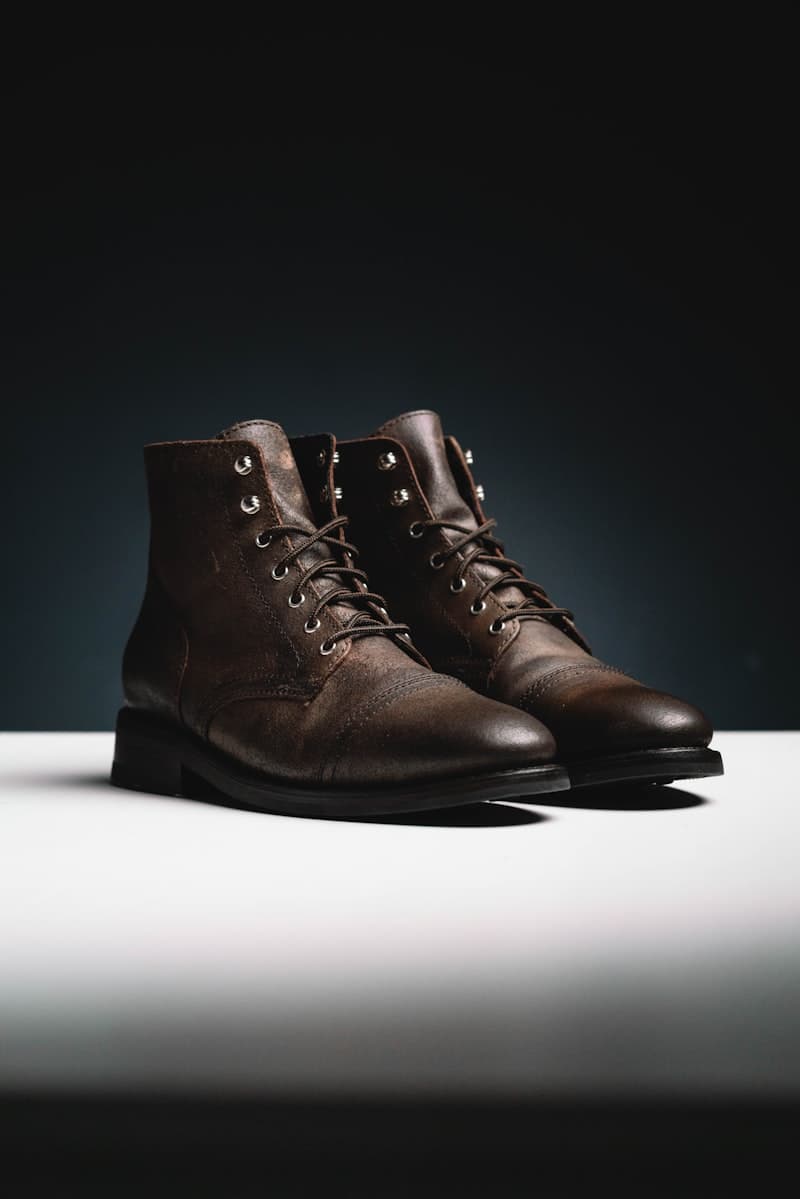
What Shoes to Wear with a Suit — Complete Dress Shoe Buying Guide
Oxford, Derby, or Loafer? The definitive guide to picking the right dress shoes for any suit and any occasion
You spent serious money on that suit. The cut is perfect, the fabric feels premium, and you look great in the mirror. Then you look down at your feet and see sneakers — or the wrong style of leather shoes. That single misstep destroys the entire look.
But walk into a shoe store and it's Oxford vs Derby vs Loafer vs Monk Strap — the names alone are dizzying. Is black always safe? When do you wear brown? Leather sole or rubber? These questions are simple on the surface, but one wrong choice and your whole outfit suffers.
This guide breaks down dress shoes from every angle — styles, colors, materials, care — so you never make a bad shoe choice again.
Step 1: Master the Three Core Dress Shoe Styles
There are dozens of shoe styles out there, but you only need to know these three to handle nearly any situation.
Oxford — The Most Formal
The Oxford features a "closed lacing system" — the eyelet tabs are sewn underneath the shoe upper. When laced up, the shoe forms a single, seamless V-shape. This makes Oxfords look refined, sleek, and formal. They are the standard for business formal wear and pair best with dark suits for interviews, weddings, business meetings, and formal dinners.
Derby — The Most Comfortable
The Derby uses an "open lacing system" — the eyelet flaps sit on top of the upper, leaving a visible gap when laced. This makes Derbies easier to put on and take off, with more room for your toes. Derbies are less formal than Oxfords but more versatile for daily commuting and business casual. If you're wearing a suit without a tie, Derbies are your best friend.
Loafer — The Most Casual and Stylish
Loafers have no laces — just slip them on and go. They are the least formal of the three but have a distinct personality: relaxed, effortless, and sophisticated. Pair them with linen suits or sport coats for a look that feels fresh and modern. Loafers shine in spring and summer with lighter-colored suits.
Monk Strap — The Advanced Option
Monk straps use metal buckles instead of laces, in single or double strap versions. They sit between Oxfords and Derbies on the formality scale, but their unique buckle design makes them stand out. Great for fashion-forward dressers who want to break the rules. First-time buyers should stick with the core three first.
Formality Ranking: Oxford > Derby > Loafer. The more formal the occasion, the more you lean toward Oxfords. The more casual, the more you lean toward Loafers.
Step 2: Color Matching — The Make-or-Break Decision
Shoe color is where most people get it wrong. Here is the definitive color-matching guide.
Black Suit: Black shoes only. This is an absolute rule. Black with brown looks jarring and unprofessional in formal wear. Black Oxfords with a black suit is the most classic, most formal combination — perfect for interviews, conferences, and formal dinners.
Navy Suit: Black or dark brown both work. Black is more formal, dark brown leans casual. Navy + dark brown is a favorite among style experts — sophisticated with just the right amount of contrast.
Gray Suit: Black is the safe choice; brown adds a relaxed touch. The lighter the gray, the lighter your brown shoes can be. Dark gray with rich brown is a particularly elegant combination.
Earth-Tone Suits (khaki, olive, tan, light brown): Stick with brown or dark brown shoes. Black shoes clash with earth tones and ruin the soft, natural harmony of the outfit.
The Belt Rule: Your belt should match your shoes. Black shoes = black belt. Brown shoes = brown belt. This simple rule instantly pulls your whole outfit together.
Step 3: Leather Quality — What You're Really Paying For
Full-Grain Leather: The gold standard. This is the top layer of the hide, retaining the natural grain and pores. It breathes well, wears beautifully, and with proper care lasts 3-5 years or more. Shoes in the 300-600 RMB range that use full-grain leather offer the best value for money.
Split Leather: Not recommended. This is the lower layer of the hide, processed to look like leather. It breathes poorly and cracks over time. Avoid if possible.
PU Leather (Synthetic): Avoid entirely. It looks shiny when new but will inevitably crack and peel within 1-2 years. No amount of savings is worth this material.
Calfskin: Premium upgrade. From young calves, finer and softer than adult cowhide. Expect this in 1,000+ RMB luxury shoes.
Sole Choices: Leather soles are the most formal — breathable but slippery when wet. Rubber soles are more practical — slip-resistant, durable, and waterproof. Many modern brands make rubber soles thin and elegant enough for dress shoes. For daily wear, rubber is the smarter choice.
Goodyear Welt: For enthusiasts. The upper and sole are stitched together through a welt strip, allowing the sole to be replaced when worn out. Expect to pay 1,000+ RMB. For most people, standard cemented construction is perfectly adequate.
Step 4: Shoe Care — Extending Lifespan
Leather shoes fear two things: water and direct sunlight.
If they get wet: Blot dry with a cloth immediately. Stuff with newspaper or shoe trees and let them air dry naturally in shade. Never put them on a radiator or in direct sunlight — heat will crack the leather.
Monthly maintenance: Apply shoe polish once a month. Use a soft cloth, apply a small amount evenly, let it sit for ten minutes, then buff with a dry cloth. Use cream polish, not spray polish — spray polish chemicals can damage the leather over time. Polishing preserves luster and creates a protective barrier against moisture.
Use shoe trees: Insert wooden shoe trees when not wearing to maintain shape and prevent creasing.
Rotate your shoes: Never wear the same pair two days in a row. Leather needs 24 hours to dry out moisture and recover its shape. Owning 2-3 pairs actually extends each pair's life.
Step 5: Budget Guide — How Much to Spend
Under 200 RMB: Skip it. These are almost always PU leather or poor split leather. They'll deform and peel within months.
300-600 RMB: The sweet spot. Genuine full-grain leather with decent construction. Domestic Chinese brands like Maden, Red Dragonfly, and Yierkang offer solid options in this range. This is the ideal range for your first pair.
600-1,500 RMB: Quality upgrade. Better leather (calfskin) or entry-level Goodyear welt construction. Worth considering if you already own basics and want to upgrade.
1,500+ RMB: Luxury territory. Heritage British brands like Loake, Church's, and Edward Green. Top-tier craftsmanship and leather. But honestly, a 300-600 RMB pair of full-grain Oxfords is more than sufficient for almost anyone wearing suits.
Golden Rule: Buy quality basics over flashy junk. One pair of simple black Oxfords beats three pairs of cheap, flashy shoes every time.
Step 6: Five Common Mistakes to Avoid
Mistake 1: Going sockless with loafers and suit trousers. The traditional look is sockless, but with suits, wear invisible no-show socks. Prevents sweat, odor, and damage to the insole.
Mistake 2: Brown shoes with a black suit. Never. Black suits demand black shoes. No exceptions.
Mistake 3: Ultra-pointy toes. A slightly pointed toe on Oxfords looks refined. Extremely pointy shoes look dated. Aim for "slightly tapered, not sharp."
Mistake 4: Wearing the same shoes every day. Shoes need a rest day to dry out. Rotate between 2-3 pairs to maximize each pair's lifespan.
Mistake 5: Buying based on looks alone. Shoe size varies by brand. Always measure your foot length and width, then check the brand-specific size chart before ordering.
FAQ
Q: What should I buy for my first pair of dress shoes? A: Black Oxfords, full-grain leather, plain toe (no broguing). This is the most versatile and formal option — right for any occasion.
Q: Oxfords vs Derbies — which should I choose? A: Choose based on occasion. Formal events = Oxfords. Daily wear and business casual = Derbies (they're also more comfortable).
Q: How do I fix scuffs on leather shoes? A: Light scuffs can be covered with matching shoe polish. For deeper scratches, use leather filler before polishing.
Q: When should I wear loafers with a suit? A: Spring and summer, with lighter-colored casual suits or linen suits. Avoid loafers for formal business occasions.
Q: How can I avoid buying the wrong size online? A: Step 1: Measure your foot length and width. Step 2: Check the material — must be full-grain leather. Step 3: Check the return policy — confirm post-try-on returns are accepted.
Summary
Dress shoes are the foundation of any great suit outfit. Get them right and your whole look elevates by at least one level.
Your buying checklist: First pair = black Oxfords, full-grain leather, plain toe. Second pair = brown Derbies or brown Loafers for casual expansion. Shoe color darker than suit color. Belt matches shoes.
Don't cheap out on PU leather — that's the real waste of money. A quality pair of dress shoes, well maintained, will serve you for years. When you step out in a well-fitted suit with quality shoes, the confidence and presence you project is something sneakers can never match. Start from the ground up — it's the most cost-effective style upgrade you can make.