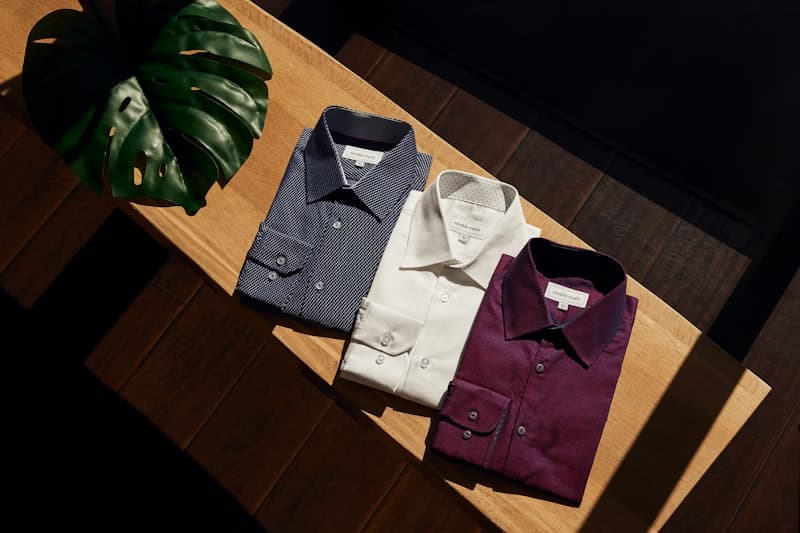
Smart Casual Dressing for Remote Workers and Digital Nomads
Master smart casual dressing as a remote worker or digital nomad. Discover versatile travel-friendly clothing, video call styling tips, and minimalist packing strategies for location independence.
The Remote Worker's Style Challenge
Working remotely presents a unique style paradox. On one hand, the absence of a traditional office environment means you can dress with unprecedented freedom. On the other hand, video calls, co-working spaces, and client meetings still demand a certain level of polish. The remote worker or digital nomad must navigate a wardrobe that functions across contexts: comfortable enough for focused work at a coffee shop, presentable enough for an unexpected video call, and portable enough to fit in a single carry-on suitcase.
The solution is a carefully edited smart casual wardrobe built around high-quality, versatile pieces that travel well and photograph well. Smart casual for the remote worker is not about formality — it is about intentionality. A well-fitted henley shirt communicates effort without stiffness. A merino wool sweater reads as polished without requiring ironing. The goal is to look like you care about your appearance without looking like you dressed for someone else's expectations. This balance is the sweet spot of remote-work style.
The Video Call Wardrobe: Dressing for the Camera
Video calls are the new boardroom, and what you wear on camera matters more than most remote workers realize. The camera frame typically shows only your torso from the chest up, which means your upper half must do all the work. Invest in three to four camera-ready tops: a medium-weight merino wool crewneck in a solid color like navy or heather grey, an Oxford cloth button-down in light blue or white, a crisp henley in a dark neutral, and a lightweight unstructured blazer or chore coat for important calls. Each of these reads clearly on camera without being overly formal.
Avoid thin stripes, busy patterns, and bright white — they create moiré effects, wash out on camera, or distract viewers. Solid medium tones like navy, olive, burgundy, and charcoal photograph best. Pay attention to collar fit: a collar that gaps or pulls around the neck is exaggerated on camera. And do not forget what is below the frame — you do not need dress trousers for a video call, but avoid sweatpants or athletic shorts if there is any chance you will need to stand up. Technical chinos or joggers with a clean silhouette offer the ideal balance of comfort and camera-readiness.
Packing Light: The Nomadic Wardrobe System
Digital nomads face the ultimate wardrobe constraint: everything must fit in a carry-on. The solution is a modular packing system where every piece works with every other piece. Start with three high-quality merino wool t-shirts in black, navy, and grey. Merino is the nomad's secret weapon — it resists odor for days, packs small, and can be washed in a sink and dried overnight. Add two button-down shirts in versatile colors, one lightweight sweater, an unconstructed blazer or travel jacket, and one pair of dark jeans that can be dressed up or down.
For bottoms, choose one pair of dark stretch chinos and one pair of tailored shorts if you are heading to warm climates. Chinos in a stretch fabric handle long flights, long walks, and long work sessions equally well. For footwear, limit yourself to two pairs: a minimalist white leather sneaker for daytime and travel, and a pair of brown leather derbies or loafers for evenings and client-facing situations. This entire wardrobe fits in a 35 to 40 liter carry-on bag, leaving room for tech, toiletries, and personal items. The freedom of traveling with everything you need and nothing you do not is transformative.
Fabric Choices for Location Independence
Fabric selection is critical for the location-independent lifestyle. Merino wool is the undisputed champion for its moisture-wicking, odor-resistant, and temperature-regulating properties. A single merino t-shirt can be worn for three to five days of active wear before needing a wash, making it ideal for destinations with limited laundry access. Look for 150 to 190 grams per square meter weight for year-round versatility. Linen-cotton blends are the summer equivalent, offering breathability with reduced wrinkling compared to pure linen.
Performance fabrics have come a long way in recent years. Travel-specific chinos from brands specializing in commuter clothing offer stretch, water resistance, and wrinkle recovery while maintaining the appearance of traditional cotton chinos. These are not the shiny, swishy synthetic pants of a decade ago — modern performance fabrics look and feel like natural materials while offering superior functionality. Packable down or synthetic insulation jackets compress to the size of a water bottle for cold destinations. The golden rule for nomadic fabrics is simple: if it cannot be washed in a sink and dry within twelve hours, it does not belong in your bag.
Dressing for Coworking Spaces and Client Meetings
Coworking spaces have their own unwritten dress codes. The general rule is to dress slightly better than the median. In most coworking environments, this means clean, well-fitted jeans or chinos with a collared shirt or quality knit. Avoid gym wear, pajamas, or anything with large logos. A pair of white sneakers with dark jeans and a navy merino sweater is the unofficial uniform of the successful remote worker — it looks put-together without trying too hard and transitions seamlessly from desk to lunch to networking event.
When you have a client meeting or investor call scheduled, elevate your outfit with one or two intentional upgrades. Swap the sneakers for loafers or derbies. Add the blazer or a field jacket. Tuck in your shirt if it is a button-down. These small adjustments signal that you respect the person you are meeting and take the interaction seriously. The beauty of a well-planned remote worker wardrobe is that these upgrades are simple and quick — you can go from coffee-shop mode to boardroom mode in under sixty seconds. That efficiency is the ultimate luxury for the location-independent professional.
Maintaining Appearance on the Road
Looking good while living out of a suitcase requires systems, not miracles. Pack a travel steamer — a handheld device the size of a water bottle — to remove wrinkles from shirts and jackets in minutes. Carry a small shoe care kit with a brush and conditioner. Use packing cubes to keep your clothes organized and compressed. Learn basic sink-washing technique: soak in cool water with a small amount of gentle detergent, rinse thoroughly, roll in a towel to remove excess water, and hang to dry. With practice, you can wash and dry a merino t-shirt or a linen shirt in under an hour.
Finally, embrace the limitations. A nomadic wardrobe of fifteen to twenty pieces is not about deprivation — it is about liberation. Every item in your bag has earned its place through utility and versatility. You know exactly what you own, you love everything you have, and you never waste time deciding what to wear. This discipline extends beyond clothing into a broader mindset of intentional living. When you control your wardrobe instead of letting it control you, you free up mental energy for the things that truly matter: your work, your relationships, and your adventures.