Quality Over Quantity: Building a Capsule Wardrobe
Learn the philosophy and practical steps behind building a minimalist capsule wardrobe. Invest in fewer, better pieces and transform your daily dressing routine.
The Philosophy Behind the Capsule Wardrobe
The capsule wardrobe movement challenges the consumerist notion that more clothes equal more style. In reality, owning dozens of cheap, poorly fitting garments often leads to decision fatigue, wasted money, and a closet full of items you never wear. A capsule wardrobe flips this approach: you deliberately curate a small collection of high-quality, versatile pieces that all work together. The typical capsule contains between 30 and 40 items including shoes and outerwear, enough to create hundreds of outfit combinations without the clutter. The philosophy rests on three pillars: intentional purchasing, exceptional quality, and timeless style. Every item you own should fit perfectly, be made from durable materials, and complement everything else in your wardrobe. This approach saves you money over time, reduces daily stress, and ensures you always look put together. It is not about deprivation — it is about elevating your standards and enjoying each piece you own.
The Core Pieces Every Capsule Needs
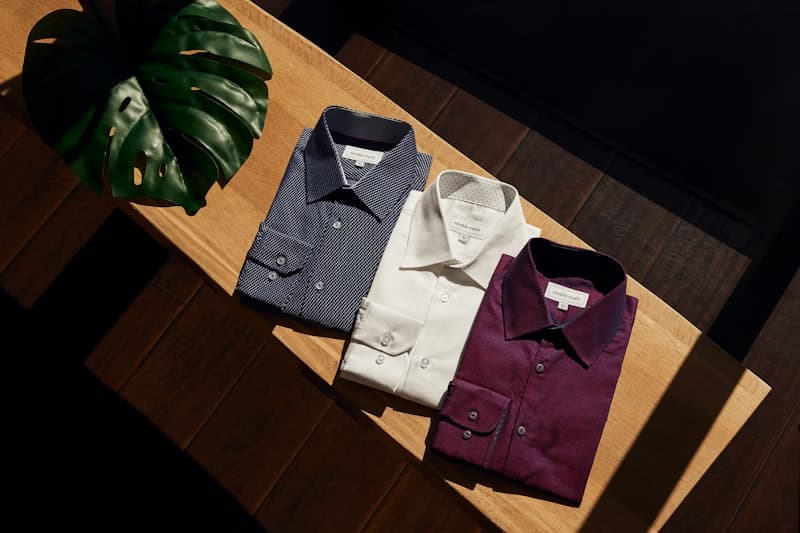
A well-constructed capsule wardrobe starts with foundation pieces that serve multiple purposes. For tops, invest in three high-quality white t-shirts in different necklines, two Oxford button-downs (white and light blue), one structured non-iron dress shirt, and two casual shirts in linen or flannel depending on your climate. For bottoms, choose one pair of dark wash raw denim jeans, one pair of gray or navy wool trousers, one pair of khaki chinos, and one pair of dark navy chinos. These four bottoms cover everything from casual weekends to business meetings. Outerwear requires one tailored blazer in navy, one leather or suede jacket, one lightweight bomber, and one heavy wool overcoat or parka depending on your winter. Footwear should include white leather sneakers, brown leather derbies or loafers, black oxfords, and a pair of rugged boots. Each of these pieces should be the best you can afford within your budget, prioritizing construction and fabric over brand names.
How to Choose Quality Over Brand Names
Distinguishing genuine quality from marketing hype is an essential skill for building a capsule wardrobe. Start with fabric composition: natural fibers like 100% cotton, wool, cashmere, linen, and leather almost always outperform synthetic blends in durability, breathability, and appearance over time. Check the thread count of shirts and the weight of denim — heavier fabrics generally indicate better quality. Examine construction details: look for reinforced seams, genuine horn or shell buttons, YKK or Riri zippers, and full-canvas or half-canvas construction in blazers and suits. Inside finishing matters too — clean, flat-felled seams and lined interiors indicate care in manufacturing. Do not be swayed by logos or designer labels; many mid-range brands offer better quality than luxury brands at a fraction of the price. Read reviews from trusted sources, feel fabrics in person when possible, and consider buying second-hand or from sample sales for high-end pieces at lower prices. Remember that quality is not about perfection — small character marks in leather or slight variations in hand-dyed fabrics can actually add personality and charm.
The One-In, One-Out Rule and Seasonal Rotation
Maintaining a capsule wardrobe requires discipline in both acquisition and editing. The one-in, one-out rule is simple: whenever you purchase a new item, you must remove an existing item from your wardrobe. This keeps your collection from growing beyond its intended size and forces you to be intentional about each addition. Before buying something new, ask yourself: does this fill a genuine gap? Does it work with at least three existing pieces? Is it made well enough to last several years? If the answer to any of these questions is no, do not buy it. Seasonal rotation is equally important. Store off-season clothing in vacuum bags or under-bed containers to free up closet space and reduce visual clutter. At the start of each season, lay out all your seasonal options and identify any gaps before making purchases. This prevents impulse buying and ensures you always have exactly what you need. Every six months, do a full wardrobe audit and donate or sell anything you have not worn in that period.
Styling Your Capsule for Maximum Versatility
The true magic of a capsule wardrobe is revealed when you start combining pieces. A navy blazer can be worn with dark jeans and white sneakers for a casual meeting, with gray wool trousers and loafers for a date night, or with chinos and boots for a weekend brunch. The same white t-shirt works under the blazer, under a leather jacket, on its own with jeans, or tucked into trousers. The key to unlocking this versatility is sticking to a cohesive color palette. A neutral foundation of navy, gray, white, black, and olive allows accent colors like burgundy, forest green, or camel to be introduced through one or two statement pieces. Accessories like watches, belts, scarves, and bags become the primary vehicles for personal expression, since the core garments remain understated. With a well-planned capsule, you can pack for a week-long trip with nothing but a carry-on, confident that everything you brought works together. This freedom and simplicity is the ultimate reward for embracing quality over quantity.
Long-Term Benefits and Mindset Shift
Adopting a capsule wardrobe mindset changes your relationship with clothing permanently. You stop chasing trends and start investing in pieces that will serve you for years or decades. You develop a keener eye for quality, a stronger sense of personal style, and a deeper appreciation for craftsmanship. Financially, you spend less money over time because you are buying fewer items that last longer. Environmentally, you reduce textile waste and the demand for fast fashion. Psychologically, you experience less decision fatigue each morning and feel more confident in your appearance because every item in your closet is intentional and well-fitting. The initial transition can be challenging — you may feel the urge to hold onto sentimental items or fear that you will look repetitive. Push through this discomfort. With time, you will discover that a limited wardrobe does not limit your style; it refines it. Quality over quantity is not just a fashion principle — it is a life philosophy that brings clarity, savings, and genuine satisfaction with what you own.