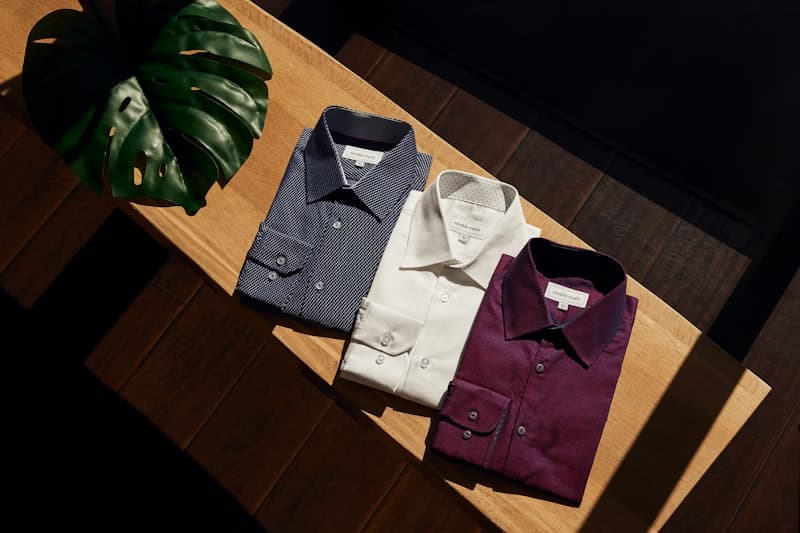
Polo Shirt Styling Tips — From Casual to Business
Master the polo shirt across every setting. Expert styling tips for fit, fabric, colour pairing, and how to dress up or down the ultimate versatile men's wardrobe staple.
The Polo Shirt's Unique Position in Men's Fashion
The polo shirt occupies a rare middle ground in menswear: casual enough for weekends, polished enough for business casual offices, and adaptable enough for dinner dates or golf outings. Its unique versatility comes from the combination of a soft collar (less formal than a button-down) with a structured knit fabric (more refined than a jersey t-shirt). Yet many men undermine this potential by choosing the wrong fit, fabric, or styling approach. This guide details everything you need to wear a polo shirt correctly in any context, from the most relaxed to the most professional.
Fit Is Non-Negotiable
The single most important factor in polo shirt styling is fit. A polo should follow the natural lines of your torso without pulling at the buttons or hanging loosely. The shoulder seam should sit exactly at the edge of your shoulder bone — not creeping toward your neck, not drooping down your arm. Sleeves should end at mid-bicep and hug the arm without squeezing. The hem should hit at or just below the waistband of your trousers. If tucked in (which we'll discuss shortly), you need enough length to stay secured through a full day of movement. If untucked, the hem should cover your belt but no more — excessive length shortens your legs dramatically.
Fabric and Quality Signals
Not all polo shirts are created equal. The fabric weight, fibre content, and construction quality all affect how the garment drapes, breathes, and holds its shape. The gold standard is pima or Supima cotton in a two-ply construction, which offers superior softness without pilling. Silk-cotton blends elevate the polo into evening-wear territory, draping beautifully while adding a subtle lustre. For athletic contexts, performance blends with elastane provide stretch and moisture management. Avoid anything with a shiny finish, excessive branding, or paper-thin fabric that reveals your undershirt silhouette. The collar should have a structured interlining that maintains its shape — a limp, curling collar instantly cheapens the entire outfit.
Dressing the Polo Down: Casual Contexts
For the most casual scenarios — weekends, brunch, running errands — treat the polo as a t-shirt upgrade. Wear it untucked with chino shorts or relaxed-fit denim. White sneakers or canvas slip-ons complete the look. Keep colours simple: navy, heather grey, olive, and burgundy are effortlessly stylish. Avoid black polos in casual settings as they can look overly serious or gym-like. Roll the sleeves once for a relaxed, athletic appearance — this works particularly well with a slightly looser fit. No tucking, no belt, minimal accessories. A simple field watch or canvas-strapped timepiece is all you need.
Dressing the Polo Up: Business Casual and Beyond
To elevate a polo for business casual contexts, three moves make all the difference. First, choose a polo in a finer-gauge knit with a structured collar — pique cotton is standard, but jacquard or interlock knits read as more refined. Second, tuck it in. A well-tucked polo signals intentionality and immediately raises the formality level. Third, add a belt in a complementary leather finish and consider a sport coat or unstructured blazer over top. Navy polo with grey tailored chinos, a brown leather belt, and suede loafers is a foolproof business casual formula. For client-facing roles, stick to solid colours — avoid stripes, contrast collars, and logos.
Colour Pairing Strategies
The polo shirt's simplicity makes it an excellent tool for colour experimentation. Neutral polos (navy, grey, white, black) form the foundation and pair with almost any trouser colour. Navy polo with beige or olive chinos is a classic combination. Grey polo with burgundy or forest green trousers creates a more adventurous but still professional palette. For summer, consider pastel polos — powder blue, pale pink, mint — paired with white or stone trousers. The rule of contrast applies: light polo with dark trousers, dark polo with light trousers. Avoid matching your polo too closely to your trouser colour, which creates a tracksuit-like monochrome effect.
The Polo Under a Jacket
A fine-gauge polo worn under a sport coat or unstructured blazer is one of the most underutilised combinations in men's fashion. It achieves the same level of polish as a button-down shirt but with a modern, relaxed edge. The key is proportion: the polo collar should sit neatly inside the jacket lapels without bunching. A quarter-zip sweater vest worn over a polo adds another layer of sophistication for transitional weather. When removing the jacket, ensure your polo remains tucked and your belt is visible. This combination works for dinner dates, creative office environments, and any situation where a tie would be excessive.
Common Polo Shirt Mistakes to Avoid
The most common error is an oversized polo worn untucked, which creates a sack-like silhouette that flatters no one. Next is visible undershirt collars — if you wear an undershirt, choose a v-neck or scoop neck that stays hidden. Popping the collar (turning it upright) is never acceptable in any context outside of actual tennis matches. Avoid excessive logos or branding across the chest, which cheapens the garment and dates quickly. Finally, pay attention to buttoning — the bottom button should always remain undone, as the placket is designed with a longer hem on the bottom button specifically to allow this. Button all remaining buttons for a clean, intentional look.