Neutral Color Wardrobe Essentials: Building a Timeless Foundation
Building a capsule wardrobe around neutral colors — which pieces matter, how to layer, and color combinations that work together effortlessly.
Why Neutrals Work for Every Man
Neutral colors form the backbone of a functional wardrobe because they work together without clashing. Black, white, grey, navy, olive, brown, and beige create a foundation where every piece complements every other piece. This eliminates the mental overhead of deciding whether your shirt works with your trousers every morning.
The strategic advantage of neutrals is versatility. A navy blazer can be dressed up with grey trousers or dressed down with dark jeans. A white oxford shirt works equally well under a suit or worn open over a t-shirt. Building around neutrals means every item in your closet has multiple use cases, dramatically increasing your outfit combinations without increasing your closet size.
The Core Pieces to Invest In
A neutral wardrobe starts with foundational pieces that anchor your outfits. Invest in two high-quality pairs of trousers — one in charcoal grey and one in khaki or beige. These two alone cover everything from business casual to weekend wear. Add a pair of dark indigo jeans that fit perfectly, and you have covered your lower half.
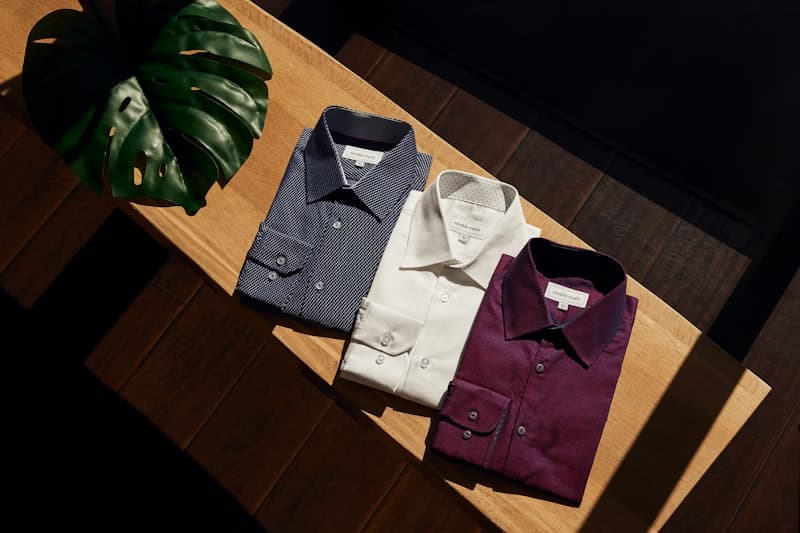
For tops, start with three white shirts: one Oxford cloth button-down, one crisp poplin dress shirt, and one heavy-weight t-shirt. Add two navy shirts — a knit polo and a fine-gauge sweater. A grey merino wool sweater and an olive bomber jacket complete the core. Every piece in this list works with every other piece.
Knitwear as the Versatile Layer
Knitwear in neutral colors is the most versatile category in any wardrobe. A navy or charcoal crew-neck sweater can be worn over a collared shirt for business casual, over a t-shirt for weekend comfort, or under a blazer for a layered look. The texture of knitwear adds visual interest without relying on color or pattern.
Merino wool is the ideal fabric for year-round neutral knitwear. It breathes in warm weather, insulates in cool weather, and resists odors better than cotton. Cashmere blends offer luxury for dressier occasions, while cotton cable-knit sweaters provide a more casual weekend option. Invest in one of each weight and you are covered for almost any climate.
Shirts and Layering Strategy
Layering with neutral colors creates depth and dimension without complexity. The simplest successful formula is a three-layer system: a white or light-grey t-shirt as the base, a mid-tone shirt or sweater as the middle layer, and a darker outer layer like a navy blazer or olive jacket. Each layer should be visibly distinct while belonging to the same tonal family.
Texture is crucial when working within a limited color palette. A smooth white poplin shirt layered under a chunky grey cardigan creates interest through fabric contrast even though the colors are simple. Combine smooth with rough, matte with subtle sheen, and lightweight with substantial to keep neutral outfits visually engaging.
Color Combinations Within Neutrals
Mastering neutral combinations opens up sophisticated looks without requiring a large wardrobe. The safest pairing is light on top and dark on bottom — a cream sweater with charcoal trousers creates a clean, elongating silhouette. For a more modern look, try light on bottom and dark on top — navy sweater with beige trousers reads contemporary and intentional.
Monochromatic dressing within neutrals is surprisingly powerful. Head-to-toe grey in varying shades from light heather to charcoal creates a cohesive, editorial look. Add one small contrast element like a brown leather belt or watch strap to anchor the outfit. The key to monochrome success is variety in texture and shade depth.
Footwear in Neutral Tones
Footwear anchors a neutral wardrobe just as much as the clothes themselves. Brown leather shoes in medium to dark shades work with every neutral color except black. Dark brown derbies or loafers pair with grey, navy, olive, and beige trousers seamlessly. Black shoes pair best with grey, charcoal, and black clothing.
Casual footwear follows similar rules. White sneakers are the most versatile neutral option, working with jeans, chinos, and even tailored trousers. Sand suede sneakers or boots offer an alternative that bridges casual and smart-casual contexts. The rule of thumb: keep shoe color darker than your trouser color for a grounded look.
Building Gradually for Longevity
Building a neutral wardrobe is a gradual process, not a one-time overhaul. Start with the most versatile pieces — a white oxford shirt, navy chinos, a grey sweater — and wear them extensively before adding the next item. This approach prevents costly mistakes and ensures each addition genuinely fills a gap.
Quality matters more for neutrals than any other wardrobe category because there is no pattern or bold color to distract from the cut and fabric. A perfectly fitting grey sweater in high-quality merino looks significantly better than an ill-fitting one regardless of price. Spend your budget on fewer, better pieces and wear them with confidence.