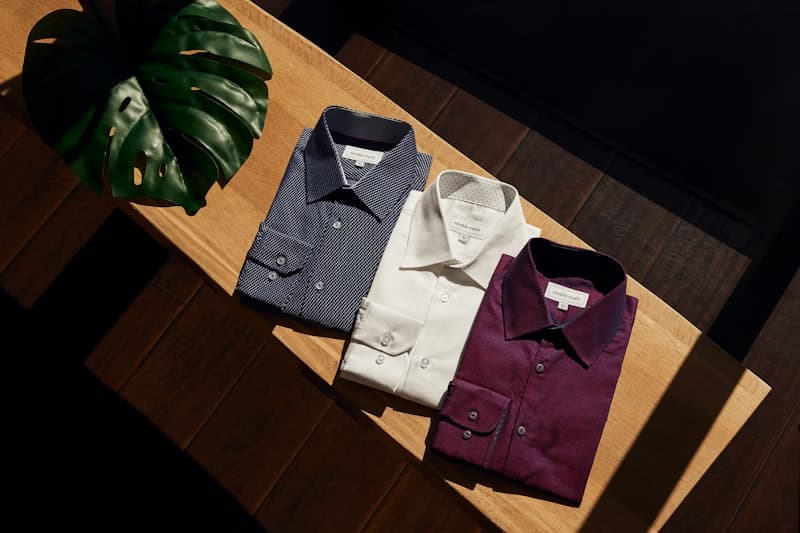
Building a Neutral-Color Wardrobe: The Foundation of Men's Style
A practical guide to curating a versatile neutral-toned wardrobe — from choosing core shades to mixing textures and investing wisely.
Why Neutrals Form the Backbone of a Great Wardrobe
A neutral wardrobe is liberation, not limitation. By anchoring your closet in grey, beige, navy, olive, cream, and black, you remove the daily friction of deciding what matches. Every piece works with every other. This coherence simplifies mornings and ensures you always look intentional.
The most stylish men in any room rarely wear the boldest colours. They wear clothes that fit perfectly and harmonise effortlessly. Neutrals provide that harmony. When colour is restrained, fabric texture, cut, and silhouette take centre stage — a far more sophisticated signal than any bright statement piece can send.
The Core Neutral Palette
Charcoal and mid-grey are your foundational tones. Charcoal anchors formal and smart-casual outfits, while mid-grey pairs beautifully with navy and olive. Together they cover trousers, blazers, overcoats, and knitwear across every autumn scenario.
Navy and olive bring depth without sacrificing neutrality. Olive — a muted, brown-tinged green — adds earthiness that complements grey and beige equally. Cream and oatmeal provide warmth for shirts and sweaters, replacing stark white with a softer contrast against darker outer layers.
Texture: The Secret Weapon Against Boredom
The primary criticism of a neutral wardrobe is that it looks flat. The rebuttal is texture. When palette is restrained, fabric choice becomes the primary source of visual interest. A brushed flannel shirt in charcoal, a ribbed merino sweater in oatmeal, a smooth gabardine trouser in navy — each brings a different tactile quality that the eye reads as variation.
Introduce at least three distinct textures per outfit. Combine a smooth cotton oxford with a rough Shetland wool cardigan and pebbled leather boots. Pattern — a subtle herringbone, a micro-check — adds dimension without introducing colour. The contrast prevents a neutral outfit from reading as one undifferentiated block.
Building Block by Block
Start with trousers. Two pairs of wool trousers — charcoal and mid-grey — form the foundation. Add olive chinos and cream casual trousers. Ensure all four fit consistently so they interchange freely with your tops. Next invest in outerwear: a charcoal overcoat, an olive field jacket, and a cream trench cover every autumn occasion.
For tops, build around layering. Three merino crewnecks in charcoal, navy, and oatmeal; two Oxford cloth button-downs in white and light blue; two flannel shirts in muted tartan and grey-blue plaid. These nine pieces combine with your trousers and outerwear to create dozens of outfits.
Footwear and Accessories
Dark brown leather boots — service boots or chukkas — bridge grey, navy, olive, and cream outfits effortlessly. Black boots work best with charcoal-heavy outfits. Tan suede desert boots add warmth without introducing clashing colour.
A grey or navy merino scarf, a brown leather belt matching your boot shade, and a simple metal watch with a brown strap complete the system. A single silk tie in muted navy-and-grey serves for formal occasions. Keep bags neutral too: dark brown or black leather works best.
Maintaining and Evolving Your Foundation
Replace items as they wear out with the same colour and better fabric. Upgrade from fast-fashion wool-polyester to pure virgin wool, from acrylic to cashmere. This gradual improvement elevates the system without requiring a full overhaul.
Seasonal evolution is simple. In spring, swap wool for linen blends in the same colours and replace knitwear with lightweight cottons. The core palette stays constant; only fabric weight changes. What began as practical constraint becomes a signature style — recognisable for its quiet consistency and effortless coherence.