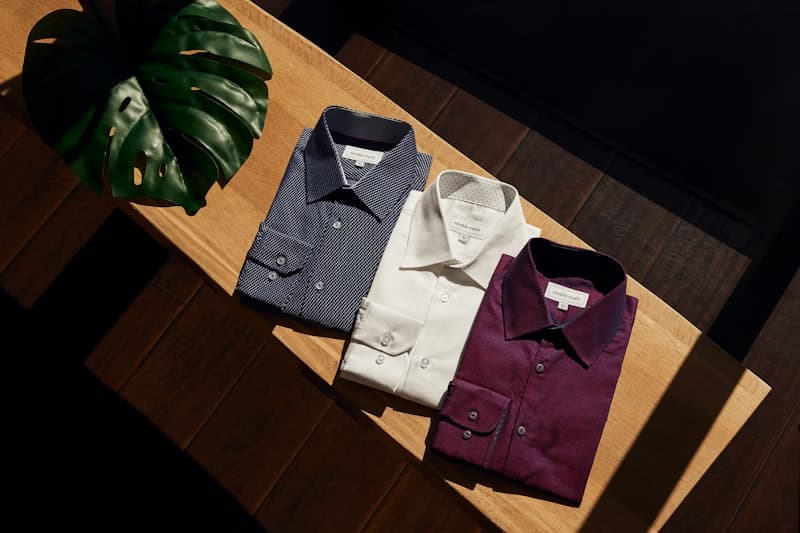
Minimalist Men's Wardrobe Basics
A minimalist wardrobe is about intentional curation, not deprivation. Learn which core pieces to invest in and how to build a cohesive collection that serves every occasion.
Defining Minimalism in Menswear
Minimalism in fashion is frequently misunderstood as owning as few items as possible, but the real objective is owning only items that earn their place through frequency of use, versatility, and quality. A minimalist wardrobe is a system of carefully selected pieces where each garment works with multiple others, eliminating the morning indecision of a stuffed closet full of unworn purchases. The approach requires honest assessment of your lifestyle: a remote software developer needs a different minimalist wardrobe than a client-facing consultant. Rather than chasing an arbitrary number of items, focus on coverage — ensuring every common scenario in your week is addressed by at least two outfit combinations. The principles that follow apply broadly, but personalise the specifics to your climate, profession, and social habits. The goal is a wardrobe that makes you feel prepared rather than restricted.
The Uniform Concept: Reducing Daily Decisions
One of the most effective strategies in minimalist dressing is adopting a personal uniform — a default combination of core pieces that you know works and can wear confidently without deliberation. This does not mean wearing the exact same outfit every day, but rather establishing a template with interchangeable components. For many men, a successful uniform consists of a well-fitted t-shirt or sweater, a pair of quality trousers, and a jacket or layer appropriate to the season, all in a coordinated colour palette. Within this template, you can vary the specific pieces — a navy sweater one day, a grey sweatshirt the next — while maintaining the same silhouette and overall impression. The uniform concept reduces decision fatigue and ensures you always leave the house looking intentional. It also simplifies shopping: when you know your template, you only buy pieces that fit within it, eliminating impulse purchases that never integrate into your rotation.
The Core Pieces: What Belongs in Every Minimalist Closet
Approximately twenty-five to thirty items comprise a functional minimalist wardrobe, covering tops, bottoms, outerwear, footwear, and accessories. The tops category should include three heavyweight white t-shirts, two oxford button-down shirts in blue and white, two fine-gauge merino sweaters in navy and grey, one cashmere crewneck for elevated occasions, and one loopback cotton sweatshirt for casual wear. Bottoms require one pair of dark indigo jeans, one pair of grey or navy wool trousers, one pair of olive or beige chinos, and one pair of dark shorts for warmer months. Outerwear consists of a structured jacket — such as a wool blazer or harrington — and a coat appropriate for your climate, ideally a wool overcoat or a waterproof parka. Footwear: white leather sneakers, suede chukka boots, and leather loafers or derbies. This collection generates dozens of outfit combinations without redundancy.
Colour Palette: The Minimalist's Secret Weapon
A restrained colour palette is what allows a small number of items to produce a large number of cohesive outfits. The minimalist palette centres on neutrals — navy, charcoal, grey, olive, brown, and white — with one or two accent colours for personal expression. When almost everything you own falls within this spectrum, any top pairs with any bottom and any layer coordinates with any shoe. The absence of colour clashes eliminates entire categories of outfit failure. Many minimalist wardrobes adopt a modified monochromatic approach: all bottoms in dark neutrals, all tops in lighter neutrals, and outerwear bridging the two. This creates a clean, elongated silhouette and makes accessorising straightforward — a watch, belt, or scarf in a complementary shade adds the only colour pop needed. If you crave variety within this system, introduce texture rather than colour: a ribbed sweater, a textured tweed jacket, or brushed flannel trousers provide visual interest without breaking the palette.
Quality Over Quantity: The Investment Calculus
A minimalist wardrobe only functions if each piece is durable enough to withstand regular rotation. This means prioritising construction over brand names and understanding which features signal longevity. Look for full-canvas or half-canvas construction in jackets, fused construction with quality interlinings in trousers, reinforced stress points in jeans and chinos, and real buttons rather than plastic. Zippers should be from reputable manufacturers such as YKK, Riri, or Lampo. Seams should be finished with flat-felled or bound construction rather than overlocked edges that unravel after several washes. Natural fibres — cotton, wool, cashmere, linen, and leather — age better than synthetics, developing character rather than pilling or losing shape. The calculus is simple: a two-hundred-dollar sweater worn fifty times costs four dollars per wear; a fifty-dollar sweater worn five times before pilling costs ten dollars per wear. The minimalist approach buys less but buys better.
Maintaining the System: Editing and Replacing
A minimalist wardrobe is not a static collection — it requires periodic editing to remain functional. Every season, review each item and ask whether it has been worn in the past three months. If not, consider why. Some pieces are seasonal and rightly rest during their off-season, but items that remain unworn during their appropriate season should be candidates for removal. Damaged items should be repaired if economical or replaced if beyond saving. When replacing, purchase the identical item if it still serves your system, or upgrade to a better version if your budget allows. The editing process prevents the wardrobe from silently expanding with purchases that sounded good at the time but never integrated into your rotation. The final step is resisting the temptation to fill empty hangers — a smaller wardrobe with breathing room is easier to maintain and more pleasant to use than one packed to capacity.