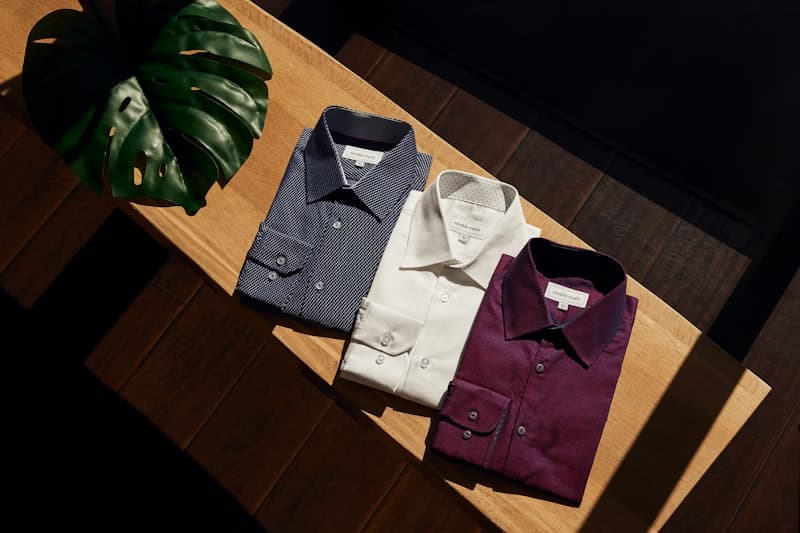
Building a Minimalist Capsule Wardrobe for Men
Master the art of minimalist dressing with a curated capsule wardrobe. Learn how to choose versatile pieces, build around neutrals, and simplify your morning routine.
Why Every Man Needs a Capsule Wardrobe
The concept of a capsule wardrobe has gained significant traction in recent years, and for good reason. A capsule wardrobe is a carefully curated collection of essential clothing items that never go out of style. For the modern man, this approach eliminates decision fatigue, saves money in the long run, and ensures you always look put-together. The core philosophy revolves around quality over quantity — owning fewer pieces that fit perfectly and coordinate effortlessly. The average man wears only twenty percent of his closet on a regular basis, according to wardrobe consultants. By embracing minimalism, you reclaim closet space, reduce laundry loads, and develop a personal style that communicates intentionality. The goal isn't deprivation but distillation: keeping only what serves you well and brings you confidence.
The Foundation: Core Neutral Colors
Every capsule wardrobe rests on a foundation of carefully chosen neutrals that work together seamlessly. Start with navy, charcoal, olive, and various shades of grey as your anchors. These colors create a cohesive palette where every piece can be mixed and matched without clashing. Add black sparingly — it works best in shoes, belts, and formal pieces but can be harsh against many skin tones in large swathes. Brown and tan leather goods introduce warmth and texture that elevate the entire wardrobe. For seasonal variation, incorporate cream and off-white for spring and summer, transitioning to deeper forest green and burgundy for autumn and winter. The key constraint is that every new piece should coordinate with at least three existing items in your wardrobe. This rule prevents impulse purchases and maintains the integrity of your capsule.
Building the Core: Tops and Bottoms
Your top half requires strategic curation. Invest in three high-quality Oxford cloth button-downs in white, light blue, and a subtle stripe. Add two solid crewneck sweaters in grey and navy for layering. Three well-fitting t-shirts in white, heather grey, and navy form the casual backbone. A single unstructured blazer in navy or charcoal bridges casual and formal occasions. For bottoms, start with two pairs of dark-wash selvedge denim — one straight fit, one slim. Add two pairs of wool trousers in charcoal and navy for office and evening wear. A pair of well-fitted chinos in khaki rounds out the rotation. The magic happens when every top works with every bottom. Each new purchase should be vetted against this compatibility matrix. Remember that fit matters more than brand or fabric. A $50 shirt that fits perfectly will always look better than a $300 shirt that drapes poorly.
Footwear and Accessories Strategy
Shoes anchor your silhouette and communicate the most about your attention to detail. Begin with three foundational pairs: a versatile brown leather boot that works with jeans and chinos, a minimalist white leather sneaker for casual days, and a black captoe Oxford or derby for formal occasions. As your wardrobe matures, add a suede chukka boot and a penny loafer. The rule of thumb is that shoes should be the highest-quality items in your wardrobe per dollar, since they endure the most wear and visually anchor your outfit. For accessories, keep it lean: a simple leather watch with a brown strap, one versatile belt in brown and one in black, a quality wool overcoat or trench, and a canvas or leather weekender bag. These accessories should be chosen with the same interoperability mindset as your clothing — each one should complement every outfit in your capsule.
Seasonal Rotation and Maintenance
A true capsule wardrobe operates on a seasonal rotation system rather than having everything accessible year-round. Pack away heavy knits, wool coats, and flannel shirts at the end of winter, replacing them with linen blazers, lightweight cotton trousers, and short-sleeved shirts for summer. This rotation keeps your closet feeling fresh and prevents the visual clutter that defeats the purpose of minimalism. Store off-season items in breathable garment bags with cedar blocks for moth protection. Schedule a wardrobe audit twice a year — typically at the change of seasons — where you assess each piece for wear, fit, and actual usage frequency. Anything unworn since the last audit should be donated or sold. This discipline ensures your capsule evolves with your lifestyle rather than stagnating into a uniform.
Common Mistakes to Avoid
The most common pitfall in building a capsule wardrobe is confusing minimalism with monotony. A capsule doesn't mean wearing the same outfit every day; it means building a system where each piece serves multiple purposes. Another frequent error is prioritizing brand names over fit and fabric quality. A no-name shirt cut perfectly for your body will outshine a designer piece that hangs awkwardly. Men also tend to neglect the importance of texture variation within a neutral palette. A monochrome outfit works because of contrasting textures — pair a smooth cotton shirt with a chunky wool sweater and waxed denim. Finally, resist the urge to buy cheap basics in bulk. Five $20 t-shirts that pill and fade after three washes are inferior to two $50 shirts that maintain their shape and color for years. Invest in the pieces that touch your skin most frequently.