Merino Wool Basics: Why Every Man Needs This Fabric in His Closet
Discover why merino wool is the ultimate fabric for men's clothing. Learn about its temperature regulation, moisture wicking, odor resistance, and how to choose the right pieces.
What Makes Merino Wool Special
Merino wool comes from Merino sheep, a breed prized for producing the finest and softest wool of any sheep variety. The fibers are incredibly thin — typically between fifteen and twenty-four microns in diameter, compared to thirty microns or more for traditional wool. This fineness is what gives merino wool its signature softness against the skin, eliminating the itchiness that many people associate with wool garments. A good merino base layer can be worn comfortably against bare skin all day without irritation.
Beyond softness, merino wool possesses remarkable technical properties. Each fiber is naturally crimped, creating tiny air pockets that trap warmth in cold conditions while allowing heat to escape when temperatures rise. This temperature regulation is passive — it works without any effort on your part. The fibers can also absorb up to thirty percent of their weight in moisture without feeling wet, pulling sweat away from your body and releasing it into the air. This moisture-wicking ability keeps you dry and comfortable whether you are commuting in summer or hiking in winter.
The Odor Resistance Advantage
Perhaps the most underrated property of merino wool is its natural resistance to odor. The fibers contain lanolin, a natural wax that inhibits the growth of odor-causing bacteria. This means a merino wool shirt can be worn multiple days without developing the sour smell that synthetic fabrics accumulate after a single day of wear. For travelers, this is transformative — a couple of merino t-shirts can easily cover a week-long trip, reducing luggage dramatically.
The practical implications extend beyond travel. For men who commute in warm weather or have physically active days, merino wool's odor resistance means you can wear a shirt through a full workday plus dinner without worrying about odor. Merino socks are particularly beneficial in this regard — a quality pair of merino hiking or dress socks can be worn for days without developing smell, which is simply not possible with cotton or synthetic socks. The odor resistance lasts through multiple washes and only diminishes as the lanolin content gradually decreases over the garment's lifespan.
Choosing Merino T-Shirts and Base Layers
Merino t-shirts are the entry point for most men exploring this fabric. The ideal weight for a t-shirt is around one hundred fifty to one hundred eighty grams per square meter — light enough for three-season wear but substantial enough to hold its shape and avoid transparency. A good merino t-shirt should have reinforced shoulder seams and a ribbed collar that resists stretching. Look for flatlock or seamless side seams that prevent chafing and improve durability.
Base layers require a different weight consideration. For cold-weather layering, choose a heavier weight around two hundred to two hundred thirty grams per square meter. This provides substantial insulation without bulk. For mild weather or high-activity use, a lightweight base layer around one hundred thirty to one hundred fifty grams works better. The fit should be close to the body — merino base layers are designed to trap warmth against your skin, and a loose fit compromises this function. Merino blends that include a small percentage of nylon or elastane improve durability and stretch without sacrificing the fabric's natural properties.
Merino for Dress Shirts and Knitwear
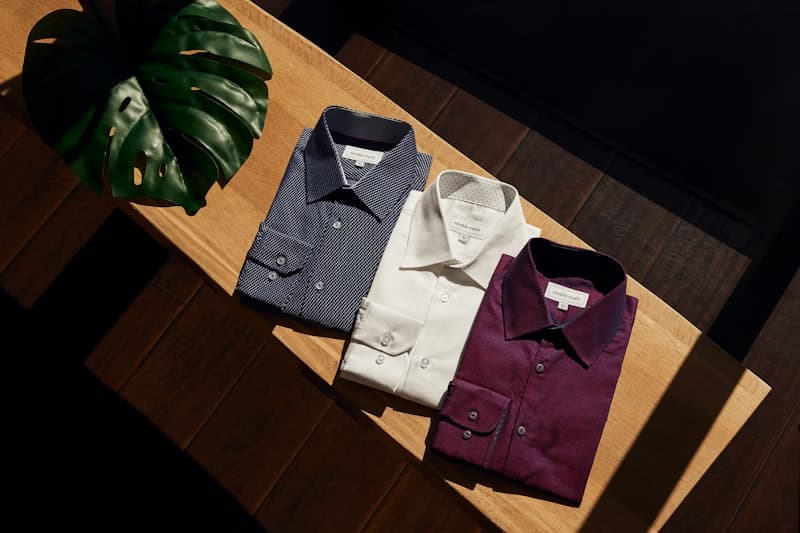
Merino dress shirts represent a significant step up from standard cotton oxfords. The fabric drapes differently — closer to the body with a fluid quality that looks refined without being stiff. Merino dress shirts are naturally wrinkle-resistant, making them ideal for travel or long days where you need to look crisp from morning through evening. They also regulate temperature better than cotton, keeping you comfortable in both air-conditioned offices and outdoor settings.
Caring for Merino Wool Garments
Merino wool requires gentler care than cotton or synthetics. Wash on a delicate cycle with cold water and a wool-specific detergent — regular detergents contain enzymes that break down wool fibers over time. Avoid fabric softener, which coats the fibers and reduces their natural moisture-wicking and temperature-regulating properties. Air drying is strongly preferred; the heat of a dryer causes merino fibers to shrink and felt together, permanently damaging the garment.