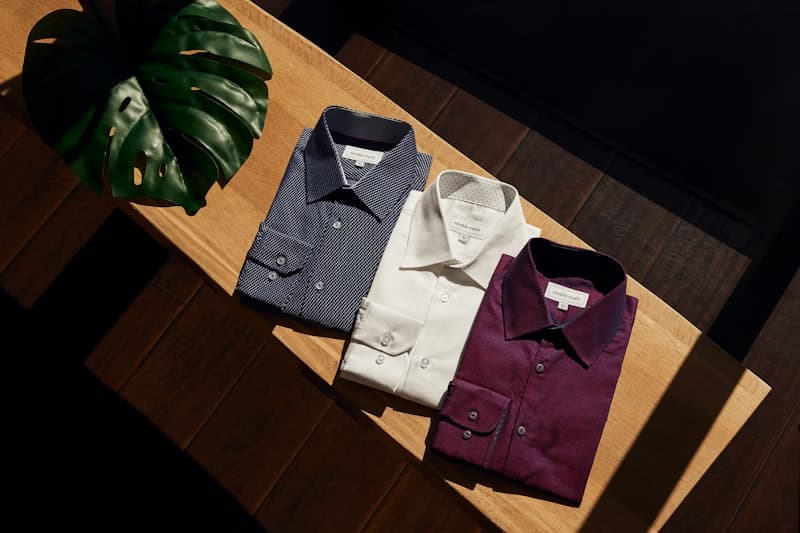
Men's Linen Shirt Style Guide for Summer
Why Linen Is the Ultimate Summer Fabric for Men
Linen has been a staple of warm-weather dressing for centuries, and for good reason. The flax fibers used to make linen are hollow, which creates natural micro-ventilation channels that allow air to move freely through the fabric. This unique structure means your body can regulate its temperature even when you are sitting still in oppressive humidity. Cotton, by contrast, traps heat at the surface and holds moisture against the skin, making it a far inferior choice for the hottest months of the year.
Beyond breathability, linen offers a textured, lived-in aesthetic that no other fabric can replicate. The natural slub and irregular weave give linen shirts a relaxed character that looks intentional rather than neglected. Wrinkles in a quality linen shirt are not a flaw to be eliminated — they are evidence that you are wearing the right fabric for the conditions. The key is choosing construction quality high enough that the wrinkles fall in soft, uniform creases rather than sharp, random folds that suggest poor craftsmanship.
Understanding Fabric Weight and GSM for Linen Shirts
The most common mistake men make when buying a linen shirt is ignoring fabric weight, measured in grams per square meter (GSM). Lightweight linen below 140 GSM may sound ideal for extreme heat, but in practice it clings to the body when damp and becomes translucent in direct sunlight. You want at least 150 GSM for a shirt that drapes properly, breathes effectively, and remains opaque on bright summer days. The sweet spot for most situations is 150 to 170 GSM.
Heavier linen in the 180 to 200 GSM range offers more structure and opacity, making it suitable for smart casual settings or air-conditioned offices where you want the look of linen without the pronounced sheerness of lighter weaves. These shirts hold their shape better when tucked in and resist creasing along the placket and collar. For beach or poolside wear, a 155 GSM camp-collar shirt hits the perfect balance between airflow and coverage. Always check the GSM before purchasing — it matters more than brand or price.
How a Linen Shirt Should Fit for Summer
Fit is where most linen shirts succeed or fail. Because linen has minimal stretch and a looser weave structure, you need slightly more ease through the chest and shoulders than you would with a cotton shirt. Look for three to four inches of chest ease, meaning the shirt should not pull across the buttons when you stand naturally, nor balloon out when you raise your arms. The shoulder seam should sit precisely on the bone — not creeping toward your neck, not sliding down your bicep.
Sleeve length and hem design determine whether you tuck or untuck. A straight hem signals the shirt is designed to be worn untucked, while a curved hem is the manufacturer telling you it belongs tucked in. If the shirt falls more than two inches below your waistband, tuck it. If it ends within an inch or two, leaving it untucked works for casual settings. The half-tuck can work deliberately, but only when the shirt length cooperates and the asymmetry looks intentional rather than accidental.
Best Colors and Styling Combinations for Summer 2026
White remains the most versatile linen shirt color, but only at 150 GSM or above. Below that threshold, white linen becomes transparent in sunlight and loses its crisp authority. Cream and ecru have become the defining palette of Mediterranean-informed summer style in 2026 — these warm off-whites capture the relaxed elegance of Italian coastal towns without appearing sterile. Pale blue, stone, and light pink also work beautifully, provided they remain muted rather than saturated.
For a beach or pool outfit, wear a white camp-collar linen shirt open over a plain crew-neck tee with dark navy swim shorts and tan leather slide sandals. The camp collar is essential here because a point collar worn open reads as unfinished rather than relaxed. For smart casual dinners, choose stone or pale blue linen, half-tucked or fully tucked, with dark indigo straight-leg jeans and minimal leather loafers. The contrast between linen's textured surface and denim's smooth indigo creates depth without needing accessories. For office-adjacent contexts, tuck a fitted white linen shirt into stone or camel tailored trousers and finish with tan derby shoes.
Caring for Linen to Make It Last
Linen requires specific care to maintain its appearance and longevity. Wash on a cold or 30-degree Celsius gentle cycle, turning the shirt inside out to protect the outer fibers from abrasion. Never use fabric softener — it coats the flax fibers and destroys their natural moisture-wicking properties. Separate colors, as linen's absorbency makes it prone to picking up dye from other garments during washing. Air drying is non-negotiable; a single tumble-dry cycle can shrink a linen shirt by half to three-quarters of an inch in both length and width.
Store linen shirts folded rather than hung on hangers for long periods, as hangers create permanent bumps at the shoulders that are difficult to remove. If you must iron, do so while the shirt is still slightly damp, on the reverse side, with a cotton press cloth between the iron and the fabric. Use medium heat only. Better yet, embrace the wrinkles. A quality linen shirt creases softly and uniformly across the body. A cheap linen shirt creases sharply at the collar points and button bands, revealing its lower quality. Let the fabric breathe, and it will reward you with years of effortless summer style.
Common Mistakes to Avoid with Linen Shirts
The biggest mistake is assuming all linen is created equal. A low-GSM shirt from a fast-fashion retailer will not perform the same as a properly constructed 160 GSM shirt from a reputable maker. Cheap linen wrinkles in chaotic, unpredictable patterns around the collar and placket, while quality linen develops soft, even folds across the torso that actually enhance the garment's character. Never buy linen that feels papery or stiff in the store — that indicates a calendered finish applied to mask poor raw materials, and it will degrade quickly after the first wash.
Another common error is treating linen like cotton and ironing it completely flat. A flat-ironed linen shirt loses its drape, its texture, and its visual authority. The shirt ends up looking like a wrinkled cotton shirt instead of a deliberate linen statement. Additionally, avoid bright, saturated colors in linen — the natural texture of the fabric reads best in muted, earthy tones. A bright orange or electric blue linen shirt looks garish because the fabric's slub and weave fight against the intensity of the dye. Stick to the natural palette: white, cream, stone, ecru, pale blue, and dusty pink.