The Smart Man's Guide to Fashion Shopping: Wardrobe ROI
Stop wasting money on fast fashion. Learn a strategic approach to building a versatile wardrobe with high ROI pieces from Suitsupply, Uniqlo, and Alden that last for years.
Most men shop for clothes reactively — buying a random shirt here, a pair of shoes there, with no coherent strategy. The result is a closet full of orphaned items that never quite work together. A strategic approach to fashion shopping, based on cost-per-wear and versatility, will save you thousands of dollars while ensuring you always look put together.
The Cost-Per-Wear Calculation
Before buying any clothing item, calculate its cost per wear by dividing the purchase price by the number of times you realistically expect to wear it. A $1,000 pair of Alden shell cordovan boots worn 300 times over five years costs just $3.33 per wear. A $50 pair of fast-fashion sneakers worn twenty times before falling apart costs $2.50 per wear — nearly the same, with far less quality and style.
This mindset shifts your spending toward higher-quality pieces. A Suitsupply Napoli suit at $500, worn twice monthly for three years, costs about $7 per wear. A $200 fast-fashion suit from H&M worn five times before pilling and losing shape costs $40 per wear. The expensive suit is actually the better value. Apply this logic to every purchase.
Building a Capsule Wardrobe Foundation
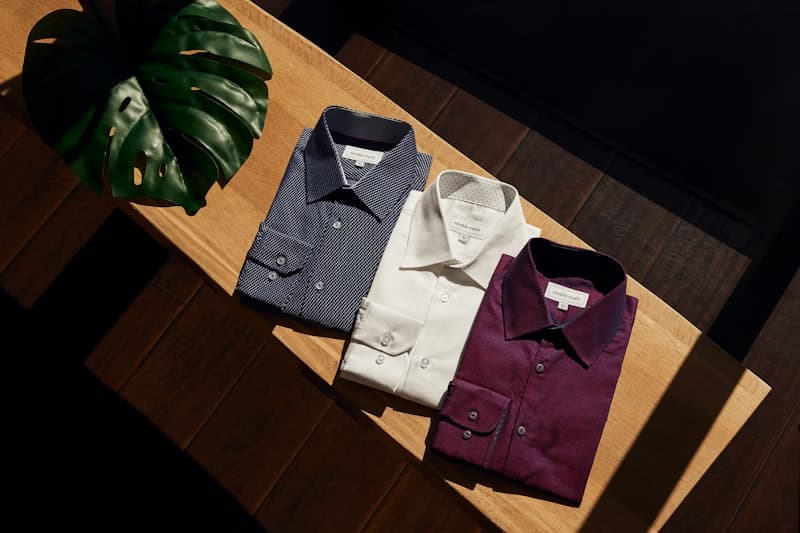
The strategic shopper starts with a core set of versatile, high-quality basics that mix and match effortlessly. Invest 60% of your budget here. Start with two suits — one navy, one charcoal — from Suitsupply or Spier & Mackay ($400-$600 each). Add four Oxford cloth button-down shirts from Brooks Brothers ($90 each during sales) or Kamakura Shirts ($70). Three pairs of Alden or Meermin leather shoes ($350-$700) in dark brown, black, and a versatile loafer.
The rest of your foundation includes two pairs of raw denim jeans from Unbranded or Naked & Famous ($80-$200), five to seven merino wool t-shirts from Uniqlo ($15 each) or Icebreaker ($50 each), and a quality wool overcoat from Schott or Private White V.C. ($500-$1,200). With these pieces alone, you can create over fifty distinct outfits.
Seasonal Assessment and Gap Analysis
Twice a year — in April and October — conduct a full wardrobe audit. Empty your closet, try on everything, and categorize items into three piles: keep, tailor, and replace. For the replace pile, identify specific gaps rather than buying randomly. You don't need more shirts — you need one light blue linen shirt for summer weddings and one cream mock-neck sweater for fall layering.
Make a written shopping list organized by priority and stick to it. Brands like Norse Projects, Alex Mill, and 18 East offer distinctive seasonal pieces that fill specific wardrobe gaps without duplicating what you already own. Set a monthly clothing budget of 5-10% of your disposable income, and save unspent amounts for bigger purchases like leather jackets or high-end shoes.
Sourcing Tactics: Sales, Seconds, and Secondhand
Never pay retail. Sign up for email lists at Mr Porter, END Clothing, and SSENSE for sale alerts. The best time to buy seasonal clothing is at the end of that season — shop for winter coats in February and linen shirts in August. You can save 40-60% off retail prices with this strategy.
Factory seconds and samples are another excellent avenue. Items with minor defects — a slightly crooked seam or a small dye variation — are often sold at 50-70% off. Spier & Mackay offers factory seconds through their website, and Grant Stone shoes sell factory seconds with cosmetic imperfections starting at $200, compared to $350 for first-quality.
Secondhand luxury is the ultimate value play. The RealReal, Vestiaire Collective, and eBay offer pristine Hermes ties for $100 (retail $250), Zegna sport coats for $300 (retail $1,800), and Brunello Cucinello knitwear for $200 (retail $1,000). Focus on items where construction quality matters more than trend — leather shoes, blazers, and wool trousers hold up exceptionally well over decades.
Maintaining What You Own
The final pillar of smart shopping is maintenance. A $500 suit ruined by a cheap dry cleaner is $500 wasted. Find a reputable tailor for alterations — expect to pay $30-$60 for basic suit adjustments like hemming and sleeve shortening. Invest in quality wooden shoe trees ($25 from Woodlore), a garment steamer ($40 from Conair), and proper storage. With care, high-quality clothing lasts ten to twenty years, reducing your cost-per-wear to pennies and building a wardrobe that commands respect.