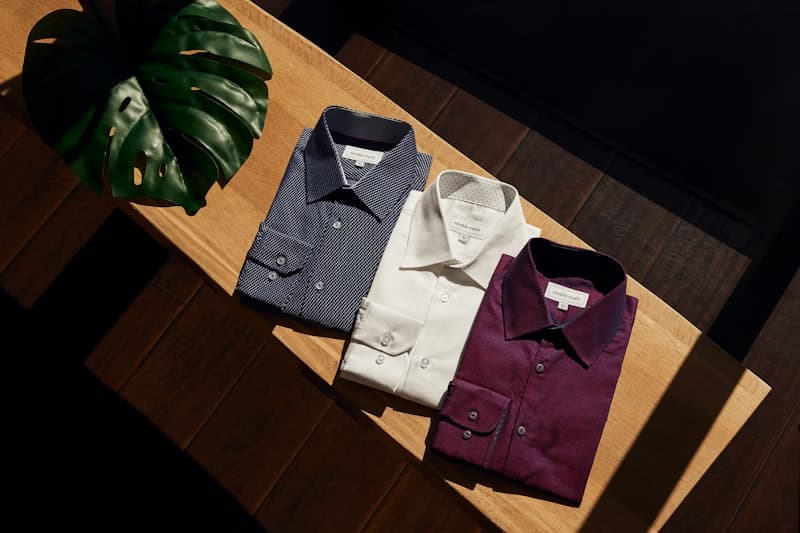
The Art of Mix-and-Match: Building a Versatile Casual Wardrobe
Master the art of mix-and-match dressing. Learn how to build a versatile casual wardrobe with neutral foundations, texture, and layering for endless outfit combinations.
Why Mix-and-Match Matters for the Modern Man
Building a wardrobe rooted in mix-and-match principles is the single most effective strategy for simplifying your mornings while expanding your style horizons. When every piece in your closet works with at least three others, you stop fighting with your clothes and start enjoying getting dressed. This approach saves money too, because you buy fewer items that each earn their keep many times over.
The logic is simple: a curated collection of interchangeable garments lets you dress for any casual occasion without owning a separate outfit for every scenario. From coffee runs to casual Friday at the office, a well-mixed wardrobe has you covered. It also trains your eye to recognize quality and versatility, making you a smarter shopper overall.
The Foundation: Neutral Core Pieces Everyone Needs
Start with neutrals — these are the anchors that make mixing possible. Think navy, charcoal, olive, beige, and white. A pair of dark wash jeans, a couple of well-fitted chinos in khaki and navy, and a few high-quality white, grey, and black t-shirts form the backbone of any casual wardrobe. These pieces don't scream for attention, which is precisely their superpower: they let everything else shine.
From there, add one or two unstructured blazers or lightweight jackets in navy or olive. These bridge the gap between too casual and too formal, giving you instant polish without looking overdressed. A denim jacket and a military-style field jacket are also excellent neutral-layer options that pair effortlessly with almost any bottom or shoe.
Adding Texture and Pattern Without Overwhelming Your Look
Once your neutral foundation is solid, introduce texture and pattern to create visual interest. A linen button-down in a muted stripe, a cotton sweater with a subtle herringbone weave, or a pair of tonal plaid shorts — these add depth without clashing. The golden rule is to keep patterns confined to one piece per outfit and let texture do the heavy lifting elsewhere.
Texture plays a huge role in how an outfit reads. A chunky knit sweater worn with smooth chinos creates contrast that feels intentional and styled. Similarly, pairing a ribbed henley with matte cotton twill pants adds dimension that flat, matching fabrics never achieve. Think of texture as the secret ingredient that elevates simple pieces into something worth noticing.
Layering Strategies That Elevate Any Casual Outfit
Layering is the quickest route from ordinary to interesting in casual wear. Start with a base layer — a t-shirt or thin henley. Add a mid-layer such as an open button-down, a lightweight hoodie, or a cardigan. Finish with an outer layer like a chore coat, bomber jacket, or denim jacket. The key is ensuring each layer is visible at the collar, hem, or cuff so the outfit reads as deliberate.
Color progression matters too. Keep the darkest layer on the outside or bottom, and lighter shades closer to your body. A white t-shirt under a chambray shirt under a navy field jacket creates a natural gradient that flatters most body types. Mixing sleeve lengths and collar styles across layers adds further complexity without any risk of looking messy.
Building Your Capsule: A 10-Piece Wardrobe That Delivers 30+ Outfits
Here is a practical capsule that proves less is more. Choose five tops: two neutral t-shirts, one Oxford cloth button-down, one linen shirt, and one lightweight merino sweater. Choose three bottoms: one dark wash jean, one khaki chino, and one olive or charcoal chino. Choose two outerwear pieces: one denim jacket and one field or bomber jacket. With these ten items and a couple of shoe options, you can create over thirty distinct outfits.
The beauty of this system is its adaptability. Swap the sweater for a henley in warmer months, or exchange the denim jacket for a waxed cotton jacket when rain threatens. Once you experience the freedom of a mix-and-match wardrobe, you will never go back to the chaos of a closet full of orphaned pieces that only work with one specific pairing.