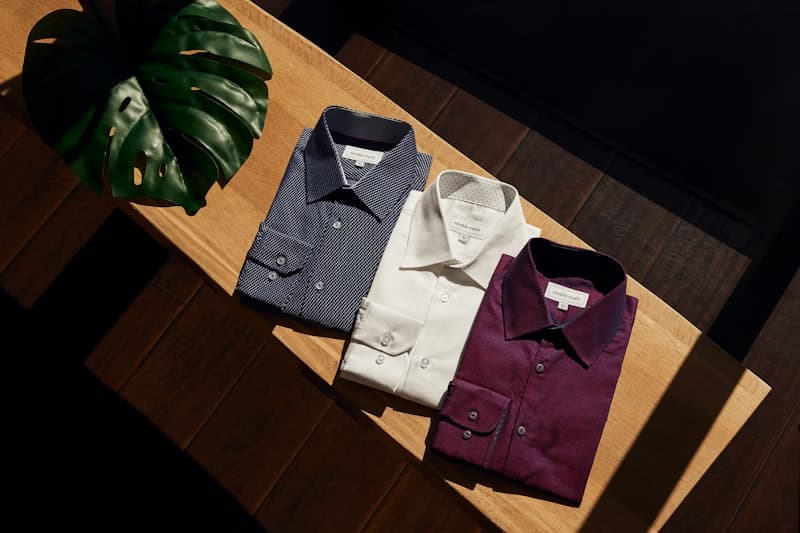
Spring-to-Summer Transition Style: Layering Strategies for Men
Spring-to-Summer Transition Style: Layering Strategies for Men
The Challenge of Transitional Dressing
Spring-to-summer is the most unforgiving season for men's style. One morning it is 50°F and drizzling; by mid-afternoon it is 78°F and humid. You leave the house in a heavy jacket and end up carrying it. You dress for warmth and sweat through lunch. You dress for heat and freeze on the commute home.
The solution is not checking the weather every three hours. The solution is strategic layering — a system that lets you add or remove pieces as the temperature shifts, without compromising how you look.
This guide covers the principles, the essential pieces, the outfit formulas, and the checklist you need to nail transitional style.
The Layering Principle: Base + Mid + Outer
Transitional layering follows a simple three-part structure:
Base Layer (next to skin): Lightweight, breathable, moisture-wicking. This is your shirt — oxford cloth, linen-cotton blend, or a fine-gauge t-shirt. It should be comfortable on its own at 70°F+.
Mid Layer (insulation): A knit piece that adds warmth without bulk. A lightweight cashmere or cotton crewneck, a cardigan, or a vest. This layer comes off when the sun is high and goes back on when the breeze picks up.
Outer Layer (protection): A light jacket that blocks wind and light rain. An unlined blazer, a bomber jacket, or a field jacket. This is the piece you take off and carry most often, so it needs to look good even when draped over your arm.
The beauty of this system is that each layer works as a standalone piece. Your jacket should look good as a single layer on a cool evening. Your shirt should be presentable when you shed everything else.
Essential Transitional Pieces
Light Jackets
An unlined blazer is the most versatile transitional piece you can own. It adds polish to jeans and chinos, works over a t-shirt or an oxford, and is light enough to carry. Look for cotton or linen-wool blends in navy, olive, or beige.
A bomber jacket in a lightweight nylon or cotton-sateen is the casual alternative. Stick to neutral colors — navy, khaki, or olive. Avoid heavy ribbing and quilted linings that scream winter.
A field jacket in a lightweight cotton or waxed canvas offers more pockets and a more utilitarian look. Perfect for weekends, coffee runs, and travel. Choose a version without a heavy liner.
An unstructured chore jacket in cotton twill or denim is one of the most underrated transitional pieces. It has the weight of a shirt but the structure of a jacket. Wear it as a mid-layer or an outer layer.
Knitwear
A lightweight cashmere crewneck (12-14 gauge) provides warmth without the bulk. It layers beautifully under any jacket and feels luxurious against the skin. Neutral colors — heather grey, navy, camel — maximize versatility.
A cotton or linen cardigan is perfect for the mid-layer spot. It is easy to throw on and off. A shawl-collar cardigan in a lighter weight adds a sophisticated touch to an otherwise casual outfit.
A fine-gauge merino wool sweater is the unsung hero of transitional dressing. It breathes, it insulates, and it packs down to nothing. Wear it over a t-shirt or under a jacket.
Shirts
An oxford cloth button-down (OCBD) in a lightweight fabric is the backbone of a transitional wardrobe. It is substantial enough to wear on its own but thin enough to layer under a jacket. Look for 100% cotton in a 4-5 oz fabric weight.
A linen-cotton blend shirt offers the breathability of linen with the wrinkle resistance of cotton. It is perfect for the days when the temperature climbs into the 80s. White, light blue, and ecru are the essential colors.
A chambray shirt is the smart-casual workhorse. It is lighter than denim, softer, and breathes better. Wear it open over a t-shirt or buttoned up under a blazer.
A lightweight t-shirt in a premium cotton or pima cotton is your warm-weather base layer. Stick to solid colors — white, navy, heather grey, black. Avoid graphics and logos for maximum versatility.
Bottoms
Chinos in cotton twill are the transitional default. Tan, navy, and olive cover most situations. Look for a year-round weight (around 8-9 oz) rather than the heavy winter version.
Lightweight wool trousers (tropical weight or fresco wool) are the most underrated transitional pant. They breathe better than cotton, drape better, and look more polished. Perfect for the days you need to look sharp without overheating.
Linen pants or linen-cotton blends are essential when the mercury climbs. The key is the fit — they should be tailored but not tight, with a straight or slightly tapered leg. Beige, navy, and grey are the easiest to style.
Footwear
Loafers (unlined suede or leather) are the quintessential transitional shoe. They work with everything from chinos to lightweight wool trousers. Suede in tan or snuff is the most versatile color.
Minimalist leather sneakers in white or off-white bridge the gap between casual and smart-casual. They look equally good with jeans and chinos. Keep them clean — dirty white sneakers ruin an otherwise polished outfit.
Unlined chukka boots in suede provide ankle coverage without the weight of a lined boot. Tan, snuff, and grey suede are the transitional go-tos. Wear them with jeans, chinos, and even lightweight wool trousers.
Espadrilles or canvas slip-ons are the warm-weather alternative. They are casual but have a seasonal charm that says, "I dress for the weather." Keep them for weekends and casual Fridays.
Outfit Formulas for Three Temperatures
55°F — Cool Spring Morning
- Outer: Unlined navy blazer in cotton-wool blend
- Mid: Lightweight cashmere crewneck in heather grey
- Base: White oxford cloth button-down
- Bottom: Beige cotton chinos
- Footwear: Tan suede chukka boots
- Optional: A lightweight scarf in navy or camel
This outfit handles the morning chill, works through a lunch meeting, and can shed the blazer and crewneck by afternoon without looking undressed. The chukka boots add a seasonal touch that signals spring.
65°F — Mild Spring Day
- Outer: Olive cotton bomber jacket (unlined)
- Mid: Cotton crewneck sweater in navy
- Base: Grey linen-cotton blend t-shirt
- Bottom: Olive or khaki chinos
- Footwear: White minimalist leather sneakers
This is the perfect weekend formula. The bomber can be worn open or closed. When the sun comes out, take off the sweater and roll the jacket under your arm. The t-shirt alone plus chinos and sneakers is a clean, casual look.
75°F — Warm Spring Afternoon
- Outer: Lightweight cotton chore jacket (worn open)
- Mid: (none — the base layer carries the outfit)
- Base: Light blue linen-cotton blend shirt, rolled sleeves
- Bottom: Navy lightweight wool trousers
- Footwear: Tan unlined suede loafers
- Accessories: Braided leather belt, sunglasses
This is the warm transitional formula. The chore jacket is light enough to wear comfortably when needed but easy to carry. The linen-cotton shirt breathes. The wool trousers are surprisingly cool and look polished. Loafers with no socks are the final seasonal signal.
Color Palette for the Transition Season
Spring-to-summer is the season where your wardrobe should shift from the dark, heavy colors of winter to the lighter, brighter colors of summer. The transition palette lives in the middle.
Earth tones (olive, tan, camel, rust, chocolate) dominate the spring side of the transition. These colors work with the grey skies and cooler temperatures of early spring while providing a bridge to warmer colors.
Neutrals (navy, grey, white, cream) are the backbone. A navy blazer, grey trousers, and white shirts work in every transitional outfit. Invest in the best quality you can afford.
Pastels (light blue, blush, mint, lavender) begin to appear in late spring. Start with small doses — a pastel shirt under a navy blazer, or pastel socks as a subtle pop.
Brights (coral, sky blue, lemon) belong to summer. Introduce them in accessories or as accent colors in prints rather than full outfits. A coral pocket square or a striped linen shirt is enough to signal the season.
Fabric Guidance
Breathability is the most important fabric property for transitional dressing. If your layers trap heat, you will be uncomfortable and sweaty within hours.
Cotton is the transitional staple. It breathes, it is comfortable, and it is easy to care for. The drawback is it absorbs moisture and stays wet. Look for cotton that is lightweight (under 6 oz for shirts).
Linen is the ultimate warm-weather fabric but wrinkles easily. Linen-cotton blends give you the best of both worlds — the breathability of linen with the wrinkle resistance of cotton. A 55/45 or 60/40 blend is the sweet spot.
Wool in tropical or fresco weights (under 9 oz) is a surprise transitional winner. It breathes better than cotton, resists wrinkles, and wicks moisture. A pair of lightweight wool trousers can be worn comfortably in 55-80°F.
Cashmere in lightweight gauges (12-14) adds warmth without weight. It is the ultimate mid-layer material for cool spring mornings.
Cotton-sateen and cotton-twill are good jacket materials for the transition. They have enough structure to hold shape but are light enough to be comfortable in warmer weather.
Checklist: 10 Core Transitional Pieces
Build your transitional wardrobe around these 10 pieces. With these, you can create dozens of outfits that handle any spring-to-summer situation:
- Unlined blazer (navy, cotton-wool or cotton-linen blend)
- Lightweight bomber jacket (olive or navy, unlined)
- Cotton chore jacket (khaki or navy)
- Lightweight cashmere crewneck (heather grey)
- Cotton cardigan (navy or camel)
- Oxford cloth button-down shirt (white, light blue)
- Linen-cotton blend shirt (light blue or ecru)
- Chinos (tan, navy, olive)
- Lightweight wool trousers (navy or grey)
- Tan suede chukka boots and white leather sneakers
Conclusion
Transitional dressing is not about owning more clothes. It is about owning the right clothes and knowing how to combine them. The three-layer system (base + mid + outer) gives you flexibility. The right fabrics keep you comfortable. The right colors keep you looking deliberate rather than confused.
Start with the checklist of 10 core pieces. Add one or two accent pieces (a printed scarf, a pastel shirt, lightweight loafers) as the season progresses. The goal is not to be prepared for every possible weather scenario — it is to look like you know what you are doing, regardless of what the weather does.
When in doubt, remember: spring layers should be easy to take off. If your outfit requires more than 30 seconds to de-layer, it is too complicated. Keep it simple, keep it light, and let the weather do what it will.