Linen Fabric Guide for Summer Suits and Shirts
Everything you need to know about linen fabric for menswear: breathability, wrinkle behavior, weight grades, care tips, and how to style linen suits and shirts.
Why Linen Dominates Summer Menswear
Linen has been a staple of warm-weather dressing for thousands of years. Made from the flax plant, this natural fiber offers exceptional breathability and moisture-wicking properties that synthetic fabrics simply cannot match. Linen fibers are hollow, which allows air to circulate freely and heat to escape, keeping you significantly cooler than cotton or wool in high temperatures.
The fabric popularity spans cultures and continents, from Italian coastal resorts to Japanese minimalist wardrobes. Modern linen production has improved dramatically, with washing and garment-dyeing techniques that soften the fabric and reduce its initial stiffness. Today linen is far more comfortable than the scratchy versions your grandfather might remember.
Understanding Linen Weight and Weave
Linen comes in various weights measured in grams per square meter, typically ranging from 150 GSM for lightweight shirting to 300 GSM for heavy suiting. Lightweight linen around 150 to 180 GSM is ideal for shirts and relaxed summer tops. Medium-weight linen between 200 and 250 GSM works best for trousers and unstructured jackets.
Heavyweight linen above 280 GSM is reserved for tailored suits and structured outerwear. This weight holds a sharper line and resists excessive wrinkling while still breathing far better than wool. The weave also matters. Plain weave linen is most common and offers the best airflow. Basket weave and herringbone patterns add texture and visual interest.
Linen Blends Worth Considering
While 100 percent linen is celebrated for its natural properties, blended fabrics offer practical advantages. Linen-cotton blends combine breathability with softness and wrinkle resistance. A 55 percent linen, 45 percent cotton blend makes excellent shirts that require less ironing while retaining most of linen cooling benefits.
Linen-wool blends are exceptional for suits. Adding 20 to 30 percent wool to linen significantly reduces wrinkling and improves drape while maintaining breathability. Linen-silk blends create a luxurious sheen perfect for evening events.
How to Choose Linen Weight by Climate
Your climate should dictate the linen weight you choose. For hot and humid environments, ultralight linen under 180 GSM is your best option. The extreme breathability prevents sweat buildup. Linen-cotton blended shirts in lightweight weaves are particularly effective in humidity because they dry quickly.
For Mediterranean or dry desert climates, medium-weight linen between 200 and 250 GSM strikes the ideal balance. It provides enough coverage to protect from intense sun while still breathing effectively. For cooler summer evenings, a heavier linen blazer provides warmth without trapping heat.
Caring for Linen Garments
Linen requires specific care to maintain its appearance and longevity. Always wash linen in cool or lukewarm water, never hot, as high temperatures cause the fibers to weaken and shrink. Use a gentle cycle and mild detergent. Avoid fabric softeners, which coat the fibers and reduce breathability.
Drying linen is where most mistakes happen. Never put linen in a tumble dryer on high heat. Instead, hang linen garments damp and allow them to air dry naturally. For crisper results, iron while the fabric is still slightly damp using a hot steam iron. If you prefer a pressed look, a garment steamer works wonders without the risk of scorching delicate fibers.
Styling Linen Suits and Shirts
Linen suits should embrace relaxed tailoring rather than attempting to mimic rigid wool construction. Unstructured jackets with natural shoulders and patch pockets complement the fabric casual character. The most versatile colors are sand, stone, light grey, and navy.
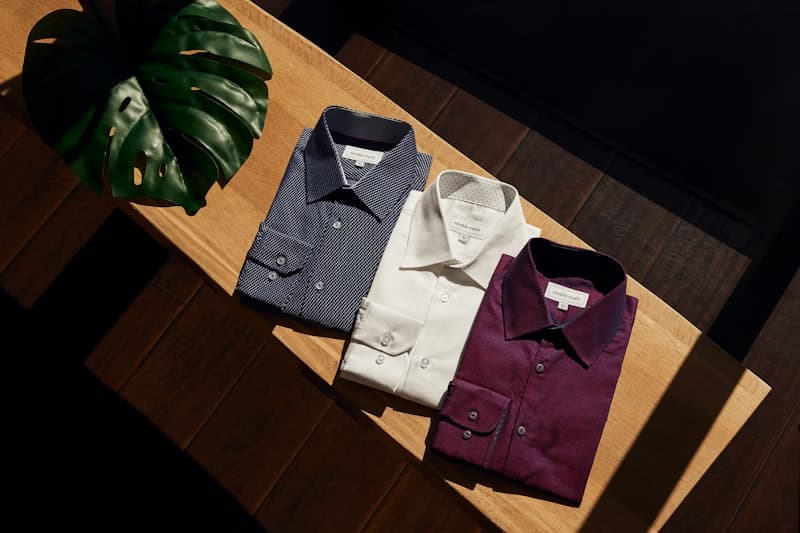
For shirt styling, linen button-downs work beautifully with chinos, tailored shorts, or even under a lightweight blazer. Tuck them in for a polished look or leave them untucked for a relaxed weekend vibe. The key to wearing linen well is embracing its imperfections. The subtle wrinkles and soft drape are features, not flaws.