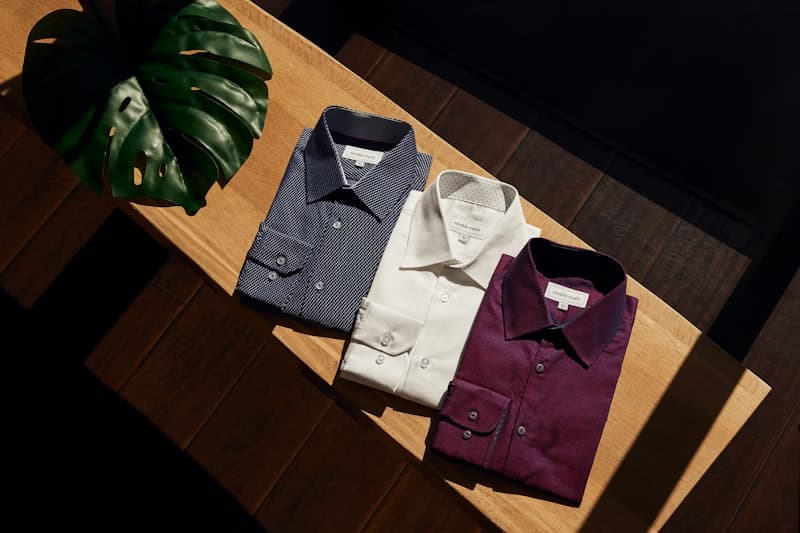
Formal Attire Dress Codes Explained: From White Tie to Business Casual
Everything you need to know about formal dress codes. From white tie to business casual — decode any invitation and dress perfectly for every occasion.
The Dress Code Decoder Every Man Needs
You receive an elegant invitation. Gold-embossed lettering. A weekend evening. At the bottom, two words: "Black Tie Optional."
What does that mean? Is a tuxedo required? Optional how? And what's the difference between "Black Tie" and "Black Tie Preferred" anyway?
Dress codes have evolved over centuries, accumulating layers of tradition, regional variation, and modern reinterpretation. What was crystal clear in 1920s London is now confusing in 2026's globally connected world. This guide decodes every formal dress code you'll encounter — from the rigid formality of White Tie to the ambiguous "Smart Casual" — and tells you exactly what to wear for each.
The Hierarchy of Formality
Let's start with the full spectrum from most formal to least:
| Dress Code | Formality Level | When You'll See It |
|---|---|---|
| White Tie | Ultra-formal | State dinners, royal events, debutante balls |
| Morning Dress | Formal (daytime) | Royal Ascot, formal weddings (before 6 PM) |
| Black Tie | Semi-formal (evening) | Weddings, galas, formal dinners, awards shows |
| Black Tie Optional | Semi-formal with flexibility | Same as above, but less strict |
| Formal / Black Tie Invited | Semi-formal | Weddings, charity events |
| Cocktail Attire | Semi-formal to dressy casual | Evening parties, weddings, corporate events |
| Business Formal | Professional | Job interviews, board meetings, court appearances |
| Business Casual | Professional casual | Office, networking events, client meetings |
| Smart Casual | Relaxed but polished | Dinner dates, creative office, social events |
| Casual | Informal | Everything else |
Now let's break down each one in detail.
White Tie: The Pinnacle of Formality
White Tie is the most formal dress code in Western fashion. It's rare — you might encounter it once in a lifetime, if ever — but if you do, getting it wrong is a significant faux pas.
The White Tie Uniform
- Tailcoat: Black, with silk-faced lapels (usually pointed/peak). The front of the coat ends at the natural waist; the back has two long tails (hence "tailcoat").
- Waistcoat: White, low-cut (single-breasted, usually with three buttons). Must be white, not ivory or cream.
- Shirt: White, stiff-fronted (boiled or marcella cotton), with a wing collar. French cuffs with cufflinks.
- Tie: White bow tie, hand-tied (never pre-tied). Must match the waistcoat and shirt.
- Trousers: Black, with a single stripe of braid down each leg. High-waisted, no belt — suspenders only.
- Footwear: Black patent leather oxfords (not derbies). Black silk socks.
- Accessories: White handkerchief (optional), white gloves (optional, for ultra-formal events), medals/orders (if you have them).
Key Rules
- No watches — or at least no visible watch. A pocket watch is acceptable.
- White Tie begins at 6 PM only. Never before.
- Everything must be immaculately fitted. Off-the-rack won't cut it.
Cost and Practicality
A proper White Tie ensemble costs $1,500-$5,000 if purchased new. Given its rarity, renting is the practical choice for most people. If you're invited to a White Tie event, rent from a reputable formalwear specialist 2-3 weeks in advance.
Morning Dress: Formal Before Sundown
Morning Dress is the daytime equivalent of White Tie. It's still worn at British royal events (Royal Ascot, weddings at St. Paul's) and some very traditional daytime weddings.
The Morning Dress Uniform
- Morning Coat: Grey or black, single-breasted, with a cutaway front that slopes from the waist to the tails.
- Waistcoat: Buff (light tan/faun) or dove grey. Double or single-breasted.
- Shirt: White, with a turndown or wing collar. French cuffs.
- Tie: Formal tie (not a bow tie) in a subdued pattern or colour — silver, grey, or striped regimental tie.
- Trousers: Striped trousers (charcoal and black stripes), not matching the coat.
- Footwear: Black oxfords.
- Hat: Optional — a black or grey top hat, if the invitation specifies.
- Accessories: Pocket square, gloves (optional).
When to Wear It
Morning Dress is exclusively for daytime events (before 6 PM). If a wedding invitation says "Formal" and the ceremony is at 2 PM, Morning Dress is likely the expectation — especially in the UK or Commonwealth countries.
Modern note: Morning Dress is increasingly rare. Most daytime formal events now accept a dark lounge suit (what Americans call a business suit) in charcoal or navy. If you're unsure, ask the host or the event planner.
Black Tie: The Modern Standard of Formal
Black Tie is the dress code you're most likely to encounter for formal evening events. It has relaxed somewhat over the decades, but the core rules remain.
The Classic Black Tie Uniform
- Jacket: Dinner jacket (tuxedo) in black or midnight blue. Peak lapels, shawl collar, or (less traditionally) notched lapels. Single-breasted is standard; double-breasted is acceptable.
- Trousers: Matching the jacket, with a single satin stripe down the side of each leg. No belt loops — side adjusters or suspenders only.
- Shirt: White dress shirt — pleated front or plain piqué. Wing or turndown collar. French cuffs.
- Bow Tie: Black, hand-tied (matching the lapel facing — if the lapels are satin, the tie should be satin).
- Footwear: Black patent leather oxfords or velvet slippers. In recent years, well-polished black cap-toe oxfords have become acceptable.
- Cummerbund or Waistcoat: A black cummerbund (with the pleats facing up) or a black low-cut waistcoat is optional but traditional.
Modern Variations That Are Now Accepted
The Black Tie rules have loosened significantly:
- Colour: Midnight blue jackets are now as common as black (and some argue more flattering under artificial light).
- Shirt: A plain white shirt without pleats is now standard. Some men wear a white shirt with a hidden button-down collar (gasp!) — the fashion police have mostly accepted this.
- Bow Tie vs. Long Tie: Black Tie demands a bow tie. Full stop. If you want to wear a long tie, the dress code is "Black Tie Optional" or "Creative Black Tie."
- Shoes: High-end loafers and monk straps are now accepted at many Black Tie events.
What's Still Not Acceptable
- Coloured or patterned jackets (except at Creative Black Tie events)
- Coloured shirts (pink, blue, black — no)
- Pre-tied bow ties (learn to tie one — it takes 15 minutes)
- Belt with tuxedo trousers (the trousers should have side adjusters)
- Brown shoes (never with formalwear)
Black Tie Optional and Creative Black Tie
These variations give you more flexibility while maintaining the formal spirit.
Black Tie Optional
This means: "We'd prefer you wear a tuxedo, but a dark suit is also acceptable."
The Safe Choice: Wear a tuxedo if you own one. You'll never be overdressed. The Alternative: A dark charcoal or navy suit, white dress shirt, and a conservative tie (silk, solid or subtle pattern). Black oxfords.
When to go with the suit: If the event is at a restaurant (not a ballroom), if it's a daytime-to-evening transition, or if you don't own a tuxedo and don't want to rent one.
Creative Black Tie / Black Tie "With Flair"
This gives you permission to experiment within the formal framework. You might see:
- A velvet dinner jacket (burgundy, bottle green, midnight blue)
- A black shirt (controversial but accepted at creative events)
- Patterned or coloured bow ties
- Unique lapel pins or boutonnieres
- Velvet slippers with embroidery
Warning: "Creative" doesn't mean "anything goes." The foundation should still be Black Tie — the jacket, trousers, and shoes should be formal. The creativity is in the accessories, colours, and textures.
Cocktail Attire
Cocktail attire is one of the most common yet most variable dress codes. It's formal enough for an evening event but not as rigid as Black Tie.
What to Wear
- Suit: Dark (navy, charcoal, or dark grey), well-fitted.
- Shirt: White or light-coloured dress shirt.
- Tie: Yes, a tie is expected. Silk, conservative pattern or solid.
- Shoes: Black or dark brown oxfords, loafers, or monk straps.
- Jacket: Sport coat or blazer? Not for cocktail attire — wear a matched suit.
The Cocktail Attire Mindset
Cocktail attire is about looking polished and intentional. The suit should be pressed, the shoes shined, and the accessories coordinated. It's the dress code equivalent of "I made an effort, but I'm still comfortable."
Watch out for: The biggest mistake men make with cocktail attire is treating it as "suit optional." It's not. Wear the whole suit.
Business Formal
Business Formal is the standard for corporate environments where first impressions matter — job interviews, board meetings, client presentations at conservative firms.
What to Wear
- Suit: Navy or charcoal. Solid or subtle pinstripe. Two or three-button. Single-breasted.
- Shirt: White or light blue. French or barrel cuffs.
- Tie: Silk, conservative pattern (repp stripe, foulard, or solid). Red, navy, or dark patterns.
- Shoes: Black oxfords (cap-toe or plain toe). Well-polished.
- Belt: Matching shoe colour.
- Socks: Over-the-calf, matching trouser colour.
Industry Variations
- Law, Finance, Consulting: Strict business formal. Navy suit, white shirt, rep tie, black oxfords.
- Tech, Creative: Business formal is rarely required. These industries have largely shifted to business casual.
- Government, Academia: Conservative business formal.
Business Casual
Business casual is the most misunderstood dress code in existence. Different companies mean different things by it.
The Safe Business Casual Uniform
- Jacket: Blazer or sport coat (navy, grey, brown, or patterned tweed). Optional at many offices.
- Trousers: Chinos or dress trousers (not jeans). Navy, grey, khaki, or olive.
- Shirt: Button-down collar shirt (oxford cloth or poplin). Solid or subtle pattern. No tie required.
- Shoes: Loafers, brogues, derbies, or clean minimal sneakers (depending on the office culture).
- No tie: In business casual, a tie without a jacket looks like you forgot something. Either wear both or neither.
Business Casual Pitfalls
| Acceptable | Not Acceptable |
|---|---|
| Chinos/dress trousers | Jeans (unless stated) |
| Button-down shirts | T-shirts (unless under a jacket) |
| Blazer or sport coat | Hoodies |
| Loafers, brogues, clean sneakers | Athletic sneakers, sandals |
| Belt | Sloppy, un-tucked shirts |
The New Business Casual (2026)
Post-pandemic workplace norms have shifted. Many offices now define business casual as "clean, intentional, and not ripped." This means higher-end sneakers (Common Projects, Axel Arigato, Alexander McQueen) are often acceptable, polo shirts with blazers are common, and the line between "smart" and "casual" has blurred.
The Golden Rule: When in doubt, one level more formal than you think. You can always take off the jacket or roll up your sleeves. You can't add formality you didn't bring.
Smart Casual
Smart casual is the dress code for "I want to look good but I'm not wearing a suit." It's the standard for nice restaurants, dates, creative agency meetings, and social events.
What to Wear
- Top: Blazer or sport coat (optional but recommended) + button-down shirt, polo shirt, or heavy-knit sweater.
- Bottoms: Well-fitting chinos, dark jeans (no rips), or tailored trousers.
- Shoes: Loafers, clean white sneakers, suede derbies, Chelsea boots.
- Accessories: A nice watch, a belt that matches your shoes.
Smart Casual vs. Business Casual
The difference is subtle but real: business casual leans professional, smart casual leans social. In smart casual, you can show more personality — patterned shirts, coloured chinos, textured jackets, unique accessories. In business casual, you should look like you could walk into a client meeting.
Dress Code Cheat Sheet by Event
Weddings
- Daytime (Before 6 PM): Morning Dress (ultra-formal), Lounge Suit (standard), Business Suit (acceptable)
- Evening (After 6 PM): Black Tie (if specified), Dark Suit (if Black Tie Optional), Cocktail (if no specific code)
- Beach/Destination: Linen suit, no tie, loafers (follow the couple's guidance)
Business Events
- Board Meeting: Business Formal
- Client Dinner: Business Formal or Cocktail
- Conference (Speaker): Business Formal or Business Casual (depending on industry)
- Conference (Attendee): Business Casual
- Office Holiday Party: Cocktail or Business Formal
Social Events
- Gala / Charity Dinner: Black Tie or Black Tie Optional
- Cocktail Party: Cocktail Attire
- Nice Restaurant Dinner: Smart Casual or Cocktail
- Art Gallery Opening: Smart Casual (with creative flair)
- Date Night: Smart Casual
The "No Dress Code" Scenario
If no dress code is specified, here's a decision tree:
- Time of day: Before 6 PM = less formal, after 6 PM = more formal.
- Venue: A restaurant with white tablecloths = suiting. A gallery = smart casual. A beach club = casual.
- Host/Industry: Creative industry = more casual. Corporate/finance = more formal.
- Other guests: If you know other attendees, ask. If not, err on the formal side.
Rule of thumb: When in doubt, wear a navy blazer, grey trousers, a white button-down, and brown leather shoes. It works for 80% of no-code scenarios.
FAQ
Q: Can I wear a tuxedo before 6 PM?
A: Traditionally, no. Black Tie is an evening dress code. Wearing a tuxedo before 6 PM looks costume-like. If you have a formal daytime event, wear Morning Dress (UK/traditional) or a dark lounge suit (modern/international).
Q: Is it acceptable to wear a pre-tied bow tie?
A: Purists say no, but in practice, most people won't notice. However, learning to tie a bow tie takes 15 minutes, looks better, and lets you adjust the size and symmetry. It's worth the effort. Self-tie bow ties are available with pre-formed loops that make tying easier — a good compromise.
Q: Can I wear brown shoes with a formal suit?
A: For Business Formal and above, no. Black shoes only. For Business Casual and Smart Casual, brown shoes are fine, even preferred for certain looks. The darker the shoe, the more formal it is.
Q: What's the difference between "Black Tie" and "Black Tie Optional"?
A: Black Tie means a tuxedo is required. If you show up in a suit, you're underdressed. Black Tie Optional means a tuxedo is preferred but a dark suit is acceptable. If you have a tuxedo, wear it — you'll never be the most overdressed person at a Black Tie Optional event.
Q: Are vests (waistcoats) part of formal dress codes?
A: In White Tie, a white waistcoat is mandatory. In Black Tie, a waistcoat or cummerbund is optional. In Business Formal, a three-piece suit (with matching waistcoat) is a sharp but optional choice. For Cocktail and below, waistcoats are purely a style choice.
Conclusion
Formal dress codes exist to create a shared visual language for events. They tell you what level of ceremony to expect and signal respect for the occasion and the host.
The key takeaways:
- White Tie is ultra-formal and rare — rent if you need it.
- Black Tie is the evening standard — invest in a quality tuxedo if you attend formal events more than once a year.
- Black Tie Optional means tux preferred, dark suit accepted.
- Cocktail is a dark suit with a tie.
- Business Formal is the corporate uniform — navy suit, white shirt, rep tie.
- Business Casual is a blazer and chinos without a tie.
- Smart Casual is polished but personal, with room for style expression.
When you're uncertain, always dress one level above what you think is required. Being slightly overdressed shows respect and effort. Being underdressed shows the opposite. Now go forth and dress with confidence." }