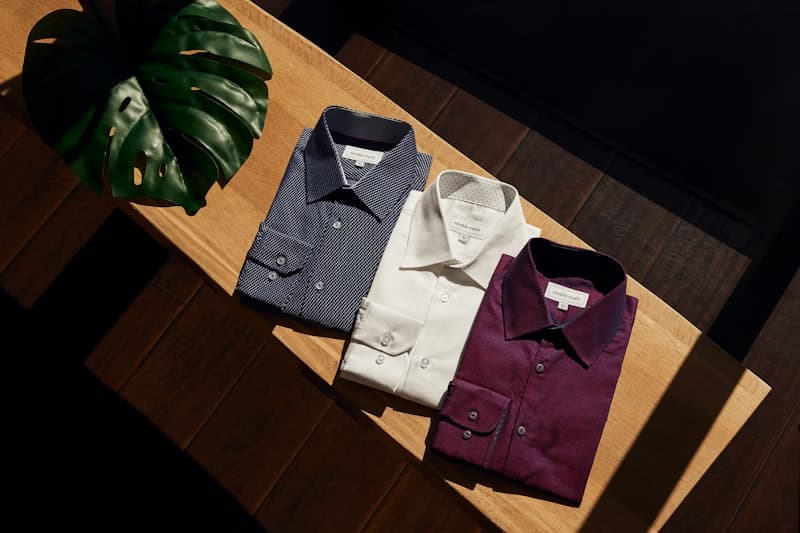
How to Build a Complete Suit Wardrobe: From 1 Suit to 10 Looks
A strategic guide to building a versatile suit wardrobe from scratch — maximize your style options while minimizing spend and closet space.
Introduction
Building a suit wardrobe can feel overwhelming. Where do you start? How many suits do you actually need? What colors? What fabrics? And how do you avoid the dreaded "same suit, different day" look that makes you feel like you're wearing a uniform?
Here's the good news: you don't need a closet full of expensive suits to look great every time. With a strategic approach, you can build a capsule suit wardrobe that gives you ten distinct looks from just three to four suits. This guide lays out the roadmap.
The Philosophy: Quality Over Quantity
Before we talk about specific suits, let's establish the guiding principle. A great suit wardrobe isn't about how many suits you own. It's about how many looks you can create. A single well-fitting, high-quality suit paired with different shirts, ties, shoes, and accessories can produce five or six distinct outfits.
The Rule of Three: Start with three core suits. These will cover approximately 90% of the occasions in your life. Add a fourth or fifth only when specific needs arise (black tie, summer weddings, etc.).
Step 1: The Foundation — Your First Suit
The Navy Solid (Worsted Wool)
If you own only one suit, make it navy. Not dark navy that reads as black — a true medium-to-dark navy in a solid worsted wool fabric.
Why navy first?
- Most versatile color in menswear
- Appropriate for interviews, business meetings, weddings, funerals, and date nights
- Pairs with both black and brown shoes
- Works with virtually any shirt and tie combination
Specs for your first suit:
- Fabric: Super 110s-130s worsted wool (year-round weight)
- Color: Medium-dark navy (not midnight, not bright cobalt)
- Jacket: Two-button single-breasted, notched lapel
- Trousers: Flat front, medium break, no cuffs (more formal without, more casual with)
- Fit: Tailored — not slim, not loose
Five looks from one navy suit:
- White shirt + navy tie + black Oxfords (interview/formal meeting)
- Light blue shirt + burgundy tie + brown Derbies (business casual)
- White shirt + no tie + brown loafers (date night / cocktail hour)
- Pale pink shirt + patterned tie + black shoes (wedding guest)
- Turtleneck (no shirt) + brown boots (smart casual / creative meeting)
Step 2: The Second Suit — Charcoal Gray
Once you have your navy foundation, the second suit is almost unanimous among style experts: charcoal gray.
Why charcoal second?
- Completely different look from navy
- More formal than navy — perfect for client presentations, evening events, and formal meetings
- Pairs beautifully with all the shirts you bought for your navy suit
- Your existing black shoes work perfectly; brown shoes add a new dimension
Specs:
- Fabric: Same year-round worsted wool (or try flannel if you live in a cooler climate)
- Color: True charcoal — dark enough to be serious, light enough to read as gray
- Jacket: Two-button single-breasted (or consider peak lapel for added formality)
- Trousers: Flat front, medium break
Five new looks added by your charcoal suit:
- White shirt + silver tie + black Oxfords (power meeting)
- Lavender shirt + dark green knit tie + brown brogues (creative professional)
- Light blue shirt + no tie + black Chelsea boots (evening event)
- White shirt + burgundy grenadine tie + black shoes (boardroom)
- Turtleneck + charcoal flannel suit + brown boots (winter sophistication)
The navy and charcoal suits alone give you ten looks. But we're not done yet.
Step 3: The Third Suit — Pattern or Texture
Your third suit adds personality. This is where you move beyond solids and introduce pattern or texture.
Option A: Navy or Gray Glen Plaid / Prince of Wales Check
A patterned suit adds visual interest without sacrificing versatility. Glen plaid in navy or gray reads as subtle from a distance but reveals beautiful detail up close.
Option B: Medium Gray
A medium (mid) gray suit is lighter than charcoal and offers a completely different tonal range. It's less formal, more approachable, and perfect for daytime events and spring/summer wear.
Option C: Brown or Olive
For the adventurous dresser, a brown or olive suit opens up an entirely new color palette. Brown suits, in particular, have enjoyed a renaissance and are incredibly versatile when styled correctly.
Our recommendation: If you want maximum versatility from suit three, choose a mid-gray solid or a navy glen plaid. It's different enough from your first two to justify the purchase but still highly functional.
Step 4: The Fourth Suit (Optional but Recommended)
The Navy Blazer (Odd Jacket)
Technically not a suit (it's a jacket worn with contrasting trousers), a navy blazer is the most versatile single garment in menswear. Wear it with gray trousers for a business casual look, chinos for weekend outings, or even dark jeans for date night.
Why add this before a fourth suit?
- It dramatically expands your outfit combinations
- It serves in situations where a full suit is too formal
- Brass-buttoned or plain — both have their place
The Tuxedo (If You Need It)
If your life requires black-tie events, invest in a proper tuxedo. Rentals rarely fit well. A well-tailored shawl-collar tuxedo in midnight blue (not black) is the connoisseur's choice.
The Accessory Ecosystem
Your suits are only as versatile as the accessories you pair them with. Build these alongside your suit collection:
Shirts (start with these 4):
- Crisp white spread collar
- Light blue point collar
- Pale pink or lavender
- White with subtle stripe or check
Ties (start with these 4):
- Navy silk solid
- Burgundy silk solid or grenadine
- Dark green knit
- Patterned (polka dot, foulard, or striped)
Shoes (start with these 2 pairs):
- Black cap-toe Oxfords (most formal)
- Dark brown Derbies or brogues (versatile)
Pocket Squares:
- White linen (TV fold)
- Patterned silk (puff fold)
Budget Strategy: How to Spend Wisely
The 80/20 Rule: Spend 80% of your budget on getting 2-3 core suits that fit perfectly, and 20% on shirts, ties, and shoes. A $600 suit that fits perfectly looks better than a $2000 suit that doesn't.
Where to save:
- Suits from Suitsupply, Spier & Mackay, or J.Crew (with tailoring budget added)
- Ties from The Tie Bar or Kent & Curwen on sale
- Pocket squares — inexpensive but make a huge impact
Where to splurge:
- Shoes — invest in goodyear-welted leather; they last decades
- Shoe trees — cedar, always
- Tailoring — the best money you'll spend
- Dry cleaning and maintenance tools
Maintenance: Make Your Suits Last
- Rotate: Never wear the same suit two days in a row. Fabric needs 24-48 hours to recover.
- Hang properly: Wide wooden hangers that support the shoulders.
- Steam, don't iron: A handheld steamer removes wrinkles without crushing the fabric.
- Dry clean sparingly: Every 10-15 wears unless visibly soiled. Over-cleaning shortens fabric life.
- Brush after each wear: A quality clothes brush removes dust and debris before it settles.
- Store with cedar: Cedar hangers or blocks repel moths and absorb moisture.
From 3 Suits to 10 Looks — The Math
Here's the formula:
| Suit | Shirt Options | Tie Options | Shoes | Looks |
|---|---|---|---|---|
| Navy solid | 4 shirts | 4 ties | 2 pairs | ~10 |
| Charcoal solid | 4 shirts | 4 ties | 2 pairs | ~10 |
| Mid-gray / Pattern | 4 shirts | 4 ties | 2 pairs | ~10 |
| Navy blazer + gray trousers | 4 shirts | 4 ties | 2 pairs | ~10 |
Total: 3 suits + 1 blazer = 30+ unique looks. Factoring in no-tie variations, different pocket squares, and sock choices, you'll easily exceed 50 distinct outfits.
FAQ
Q: Can I build a suit wardrobe on a tight budget?
Absolutely. Focus on fit first. Buy from entry-level quality brands (Macy's Bar III, J.Crew Factory, or secondhand from eBay/Poshmark) and spend the savings on a good tailor. A $150 suit that's been tailored to perfection beats a $500 off-the-rack suit every time.
Q: How many suits do I need for a business formal workplace?
If you wear a suit daily, aim for 5-7 suits so you can rotate properly and never wear the same suit twice in one week. Start with the 3-core strategy and add as your budget allows.
Q: What about double-breasted suits?
Double-breasted jackets are making a comeback. They're more formal and less common, which makes them a statement. If you add one, make it a third or fourth suit, not your first. Keep the fabric solid and the fit impeccable.
Q: Should I buy a seasonal suit like linen or tweed?
Only after you've covered your core three. Linen suits are great for summer weddings and tropical vacations. Tweed suits are perfect for fall and winter countryside events. But neither is versatile enough to be a foundational piece.
Q: How do I know if a suit fits properly?
The shoulder seam should align with your shoulder bone — no overhang, no pinching. The jacket should button comfortably without pulling at the button. The jacket length should cover your seat. Trousers should break once at the shoe. Collar should lie flat against your shirt collar.
Summary
Building a complete suit wardrobe doesn't require a massive investment or a walk-in closet. Start with a well-fitted navy worsted wool suit — your most versatile piece. Add a charcoal gray suit for formal occasions and contrast. Introduce a third suit with pattern or texture for personality and range. Supplement with a navy blazer for casual-smart outfits. Then build a small ecosystem of shirts, ties, shoes, and pocket squares that work across all your suits. The result: three suits generating ten, twenty, even fifty distinct looks. Strategic, cost-effective, and effortlessly stylish.