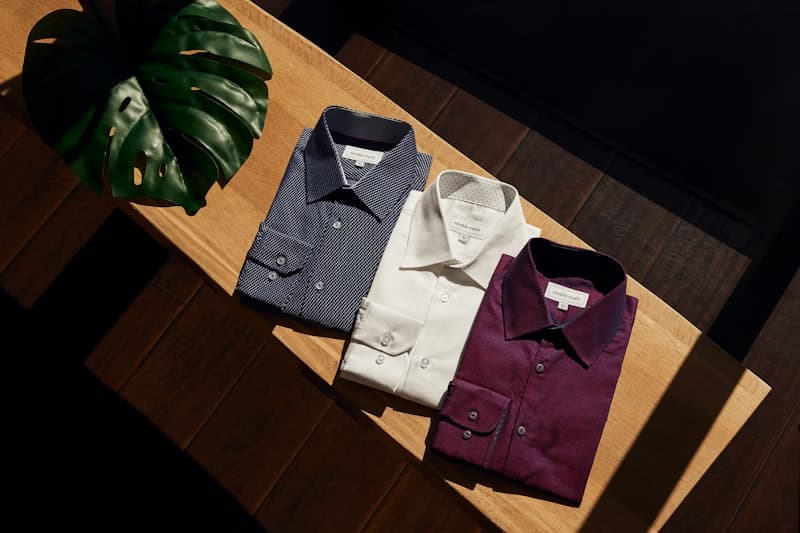
Mastering Color: A Complete Guide to the Men's Fashion Palette
Learn how to build a versatile color palette for your wardrobe. From neutrals to accent shades, master color theory for effortless men's style.
Understanding the Color Wheel
Color can feel intimidating, but it does not have to be. The color wheel is your best tool for building cohesive outfits. It divides into warm tones like red, orange, and yellow, and cool tones like blue, green, and purple. Most men have cool undertones in their skin, which means blues and greens tend to look natural near the face. Warm tones draw the eye quickly and are best used sparingly as accents. A red pocket square with a navy suit or a mustard sweater under a charcoal coat adds visual interest without overwhelming your look.
Building a Neutral Foundation
Every great wardrobe starts with neutrals. Navy, charcoal, olive, khaki, and white form the backbone of versatile dressing because they pair with almost anything. A navy blazer works with grey trousers, dark denim, or olive chinos. Charcoal suits transition seamlessly from the office to evening events. The key is to own neutrals in a range of depths so you can build contrast without relying on bright colors. Investing in quality neutral pieces first gives you maximum outfit combinations with minimal effort.
Adding Accent Colors
Once your neutral foundation is solid, introduce accent colors that reflect your personality. Deep burgundy, forest green, rust, and mustard yellow are excellent choices. These shades are rich without being loud. They work well in sweaters, casual shirts, and accessories. The rule of thumb is to keep your accent to one piece per outfit. A burgundy knit under a navy peacoat creates sophisticated contrast. A forest green field jacket over a white tee feels intentional and modern.
Seasonal Palette Shifts
Spring and summer call for lighter shades like cream, pastel blue, and sand. Autumn and winter invite deeper tones like charcoal, burgundy, and camel. Transitional pieces in olive, navy, and heather grey work year-round. The idea is not to overhaul your wardrobe every quarter but to rotate in a few seasonal pieces that complement your core neutrals.
Coordination Without Matching
The most common mistake is matching colors too literally instead of coordinating them. Aim for tonal coordination. A navy suit looks best with a lighter blue shirt. Olive trousers pair naturally with a cream sweater. Use the color wheel to find complementary or analogous combinations. Blue and orange work because they sit opposite each other. Green and blue work because they are neighbors.
Building Your Personal Palette
Your personal color palette should reflect your skin tone, eye color, and lifestyle. Cool skin tones suit blues, greys, and purples. Warm skin tones suit browns, greens, and oranges. Start by identifying three neutral colors that form your base, then add two to three accent colors. Build your wardrobe around this palette. Every new purchase should fit within these colors. This system eliminates decision fatigue and ensures everything in your closet coordinates. Over time, you develop a signature look that is uniquely yours.