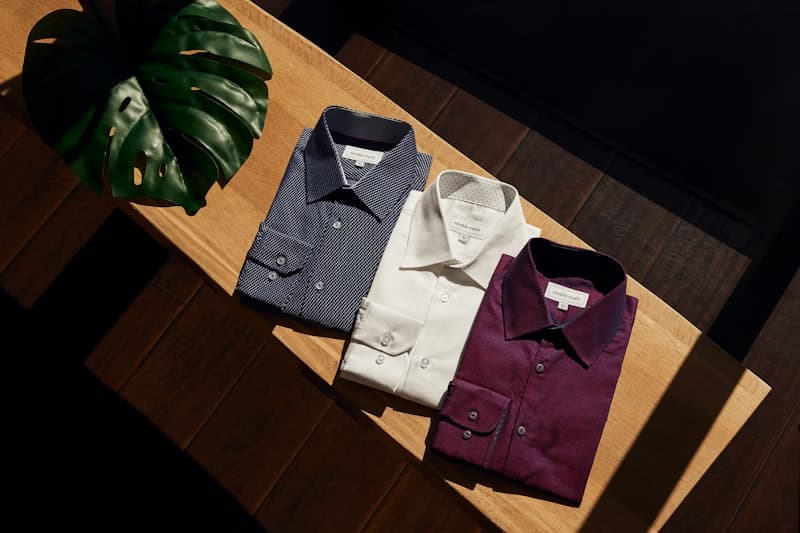
Classic Suit Silhouette and Tailoring Tips
Discover the essential elements of classic suit tailoring. From shoulder fit to trouser break, learn how to achieve the perfect silhouette with expert adjustments.
A well-tailored suit is one of the most powerful tools in a man's wardrobe. Whether you are dressing for a wedding, a business meeting, a formal event, or simply want to look your best, the fit and silhouette of your suit determine the entire impression you make. An expensive suit that fits poorly will always look cheap, while a reasonably priced suit that has been properly tailored can look like it costs three times as much. This guide covers the essential elements of the classic suit silhouette and provides actionable tailoring tips that will help you achieve a polished, timeless look. Understanding these principles will transform the way you think about suits, whether you are buying off the rack, ordering made-to-measure, or working with a bespoke tailor. The goal is not fashion-forward experimentation but rather the enduring elegance of a suit that fits you perfectly and flatters your natural proportions.
Understanding the Classic Suit Silhouette
The classic suit silhouette is defined by clean lines, balanced proportions, and a shape that follows the natural contours of the body without being overly tight or excessively loose. This silhouette has evolved subtly over the decades, but its core principles remain consistent. The shoulders should be broad enough to create a strong, masculine line without being padded to the point of exaggeration. The chest should have a gentle drape that allows for movement without pulling or wrinkling. The waist should be subtly suppressed to create a V-shaped physique without being cinched tightly. The jacket length should cover the seat of your trousers and end roughly at the midpoint of your thumb when your arms are at your sides. The trousers should sit at your natural waist, drape cleanly over the hips and thighs, and end with a single break above the shoe. The overall effect should be harmonious and understated, allowing the quality of the fabric and the precision of the fit to speak for themselves. This silhouette works for nearly every body type and occasion, which is why it has remained the gold standard of men's tailoring for generations.
The Jacket: Shoulders, Lapels, and Length
The shoulders of your suit jacket are the single most important factor in determining how well it fits. The shoulder seam should align exactly with the edge of your natural shoulder bone, neither extending beyond it nor falling short. If the seam is too wide, the jacket will look sloppy and oversized. If it is too narrow, the fabric will pull and create unsightly wrinkles across your upper back. The padding of the shoulders should be subtle and natural. Modern classic suits favor a soft, natural shoulder with minimal padding rather than the exaggerated, padded look of past decades. Lapels frame your face and chest, and their width should be proportional to your body. A good rule of thumb is that the widest part of the lapel should be roughly half the width of your shoulder. Notch lapels are the most versatile and appropriate for most occasions, while peak lapels add a touch of formality and are well-suited for double-breasted jackets or more formal events. The jacket length is another critical measurement.
A jacket that is too short makes your torso look abbreviated, while one that is too long visually shortens your legs. The classic rule is that the jacket hem should fall at the point where your thumb meets your hand when your arms are relaxed at your sides, allowing the jacket to cover your seat completely.
Trouser Fit and Break
Suit trousers have their own set of fit considerations that are just as important as the jacket. The waistband should sit at your natural waist, which is roughly at or just above your hip bones, not down on your hips like casual trousers. This creates a cleaner line and allows the trousers to drape properly. The seat of the trousers should fit smoothly without being tight across the back or sagging below the buttocks. The rise, which is the distance from the crotch to the waistband, should be high enough that the trousers sit comfortably at your natural waist without requiring a belt to hold them in place. In fact, a properly fitted pair of suit trousers should stay up without a belt, though wearing one is traditional and adds a polished finish. The leg of the trousers should taper gently from the knee to the ankle, creating a clean line that follows the shape of your leg without being tight. The hem should have a slight break, meaning the front of the trouser leg rests lightly on the top of your shoe with a single crease or fold.
A full break, where the fabric bunches heavily on the shoe, looks outdated and sloppy. A no-break hem, where the trousers hover above the shoe, is more fashion-forward but less traditional. For a classic silhouette, a single break is the ideal choice.
Key Tailoring Adjustments Worth Making
Even the best off-the-rack suit will benefit from a few key tailoring adjustments. The most impactful and cost-effective alterations are to the jacket sleeves and the trouser length. Shortening the jacket sleeves to expose about half an inch of shirt cuff is one of the simplest ways to make a suit look custom-made. The trouser hem should be adjusted to achieve the correct break, and the waist of the trousers can usually be taken in or let out by up to two inches without compromising the fit. The jacket waist can be suppressed by taking in the side seams, which creates a more defined silhouette. This is particularly helpful for men with athletic builds who need a jacket that fits their shoulders but is too loose through the midsection. The seat of the trousers can be adjusted to eliminate sagging or pulling, and the taper of the legs can be refined for a cleaner line.
More advanced alterations include adjusting the collar of the jacket to eliminate gaping at the back of the neck, shortening or lengthening the jacket hem, and adjusting the sleeve pitch so that the sleeves hang correctly without twisting. Not every alteration is worth the cost, especially on an inexpensive suit, but the basic adjustments of sleeves, trousers, and waist are almost always a good investment.
Fabric and Pattern Considerations
The fabric of your suit plays a significant role in how the silhouette looks and feels. For a classic wardrobe, start with a solid navy or medium grey worsted wool suit. These colors are endlessly versatile and appropriate for nearly every occasion from business meetings to weddings to funerals. Worsted wool has a smooth finish that drapes beautifully and resists wrinkling, making it ideal for a tailored silhouette. For warmer weather, a wool and linen blend offers breathability while maintaining structure. For colder months, flannel wool provides a softer texture and greater warmth. Patterns add personality to a classic suit, but they should be chosen carefully. A subtle pinstripe or chalk stripe adds visual interest without being loud, and it can have a lengthening effect on the silhouette. Glen plaid and windowpane checks are also classic pattern choices that work well in a professional setting. When wearing a patterned suit, keep your shirt and tie simple and solid to avoid clashing. The weight and texture of the fabric also affect how the suit drapes.
Heavier fabrics hold their shape better and create crisper lines, while lighter fabrics drape more softly and are better suited to warmer climates. A good tailor can advise you on which fabrics will work best for your body type and the intended use of the suit.
The Importance of a Skilled Tailor
No guide to suit tailoring would be complete without emphasizing the value of a skilled tailor. The difference between a suit that fits okay and a suit that fits perfectly is almost always the quality of the tailoring. A good tailor does more than just shorten sleeves and hem trousers. They understand how fabric behaves, how the human body moves, and how to make adjustments that improve both the look and the comfort of a garment. When you find a tailor you trust, build a relationship with them. Bring them your suits for alterations, ask for their advice on fit, and listen to their recommendations. A master tailor can make a moderately priced suit look like a bespoke garment through precise adjustments. They can also identify fit issues that you might not notice on your own, such as collar gap, shoulder divots, or sleeve twist. The cost of good tailoring is a fraction of the cost of a new suit, and the return on investment in terms of appearance and confidence is enormous. Whether you are buying your first suit or adding to a well-established wardrobe, investing in professional tailoring is the single best decision you can make for your personal style.