Casual Wardrobe Essentials Guide
Building a versatile casual wardrobe is about smart choices, not volume. Discover the core pieces that work together seamlessly for every off-duty occasion.
The Philosophy of a Capsule Casual Wardrobe
A casual wardrobe should simplify your mornings, not complicate them. The principle is straightforward: every piece should pair with multiple others within the same collection, creating a system of outfits rather than a random assortment of standalone items. This approach, often called a capsule wardrobe, reduces decision fatigue, saves money by eliminating redundant purchases, and ensures that you always have something appropriate to wear regardless of the casual occasion. The goal is not minimalism for its own sake but intentional curation — owning fewer items that serve you better than a closet full of pieces you never reach for. Building this collection starts with identifying the core categories: tops, bottoms, outerwear, footwear, and accessories. Within each category, certain staples have proven their versatility across decades of changing trends and deserve a permanent place in your rotation.
Core Tops: The Foundation Layers
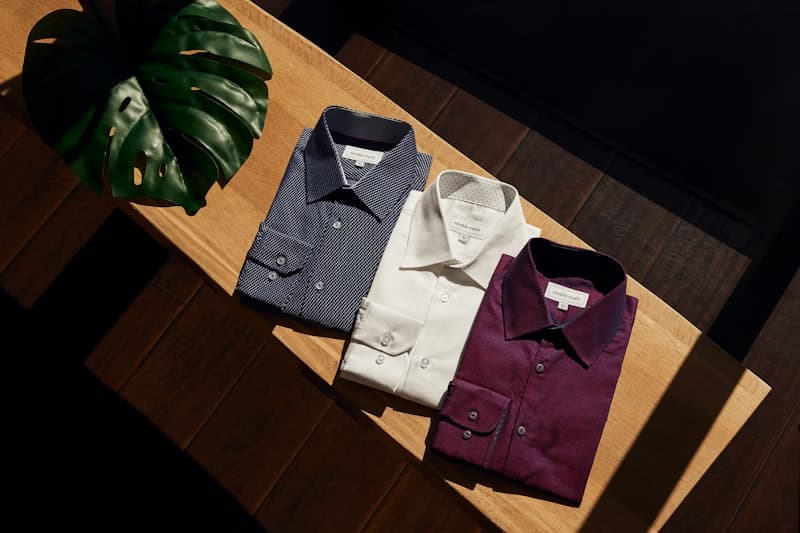
Every casual wardrobe needs three types of tops that form the foundation of most outfits. The first is the plain white t-shirt — seek out a heavyweight version with a crew neck, at least two hundred and forty grams per square metre in fabric weight, in a cut that skims the body without hugging. A mid-weight grey sweatshirt in loopback cotton comes next; the colour pairs with everything, the fabric is comfortable across three seasons, and the silhouette works under jackets or on its own. The third essential is an oxford cloth button-down shirt, ideally in blue or white. The oxford fabric's texture keeps it from being too formal, while the button-down collar and chest pocket give it structure that a t-shirt lacks. With these three top styles, you can build outfits ranging from purely relaxed to smart-casual by varying the bottom piece and footwear.
Essential Bottoms: Jeans, Chinos, and Shorts
Three pairs of trousers cover the full spectrum of casual occasions. The first is a pair of raw or dark indigo jeans in a straight or slim-straight cut — this is the single most versatile bottom in casual fashion, pairing equally well with a t-shirt and sneakers or a button-down and boots. The second is a pair of chinos in a neutral colour such as olive, navy, or stone. Chinos fill the gap when jeans feel too casual or the weather demands something lighter. The third essential is a pair of shorts for warmer months — aim for a seven- to nine-inch inseam in a solid colour, avoiding cargo pockets, excessive branding, or overly technical fabrics. Cotton or linen-blend shorts in navy, khaki, or grey provide the greatest versatility. With these three bottom options, you can address any casual dress code from beachside lunch to dinner at a friend's home.
Outerwear That Earns Its Closet Space
Outerwear is often the first thing people notice, so every piece must pull its weight. A classic denim jacket in a medium wash is the most versatile casual layer — it works over t-shirts, sweaters, and even lightweight hoodies, and its indigo colour coordinates with both blue and neutral bottoms. A bomber jacket in nylon or cotton provides a cleaner silhouette for evenings out and resists wind better than denim. For colder months, a wool or wool-blend overcoat in charcoal or camel elevates any casual outfit instantly, making even jeans and a t-shirt look intentional. A lightweight quilted jacket or a Barbour-style waxed cotton jacket fills the transitional weather gap and adds a rugged English countryside aesthetic. Avoid leather jackets in a minimalist capsule — they are statement pieces that dominate an outfit and limit reuse compared to the more neutral denim or wool options.
Footwear: Three Pairs Cover Almost Everything
You do not need a wall of sneakers to have a great casual wardrobe. Three pairs of shoes address nearly every casual scenario. The first is a pair of clean white leather sneakers in a minimalist silhouette — think Common Projects or Stan Smiths rather than chunky trainers. White sneakers are the most versatile footwear choice in history, pairing with jeans, chinos, shorts, and even some tailored trousers. The second essential is a pair of suede desert boots or chukka boots in a tan or brown colour. These bridge the gap between sneakers and dress shoes, making them ideal for evenings out, mild-weather travel, and any situation where sneakers feel too casual but loafers feel too formal. The third is a pair of leather loafers in dark brown or black — a streamlined penny loafer or bit loafer works for dinners, events, and the smarter end of casual dressing.
Building Outfits and Maintaining Quality
The true test of a capsule wardrobe is how many outfits it generates from a limited set of items. With the pieces described above, you can create combinations for every casual context. Pair the white t-shirt with jeans and white sneakers for errands or coffee. Swap the t-shirt for the oxford button-down and the jeans for chinos, then add the bomber jacket for a dinner out. Layer the grey sweatshirt under the denim jacket with chinos and boots for autumn weekends. Wear the oxford shirt open over the white t-shirt with shorts and sneakers for warm-weather travel. Add the wool overcoat to the jeans and sweatshirt combination for a winter walk that still looks put-together. The key is mixing textures and silhouettes — smooth chinos with a textured sweatshirt, structured denim jacket over a soft t-shirt — to create visual interest without relying on colour alone.
This system only works if each piece is built to last. Prioritise construction details: reinforced seams, real button closures rather than snaps on shirts, YKK or Riri zippers, full-canvas or half-canvas construction in jackets where applicable, and leather or rubber soles that can be replaced by a cobbler. Natural fibres — cotton, wool, linen, and leather — outperform synthetics in breathability, comfort, and longevity, though small synthetic blends for stretch are acceptable in trousers and denim. Washing less frequently and following care labels extends garment life dramatically; many casual staples benefit from spot cleaning and airing rather than machine washing after every wear. Investing more per item but buying fewer items overall results in a wardrobe that costs less per wear over its lifetime than a closet full of fast-fashion pieces that must be replaced every season.