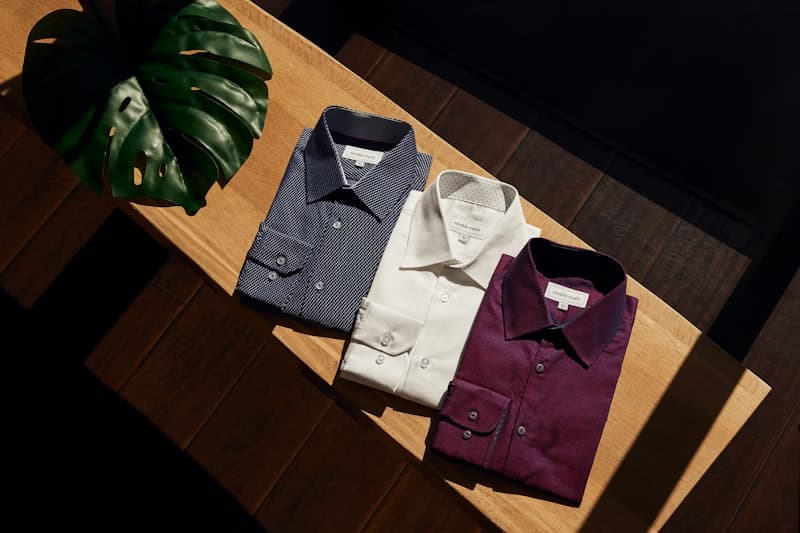
Casual Suit Separates: Mixing and Matching for Modern Style
Master the art of casual suit separates. Learn how to mix and match blazers and trousers from different suits to create modern, stylish outfits for any occasion.
Why Separates Are the Future of Men's Dressing
The traditional matching suit has its place — board meetings, weddings, and formal events where uniformity signals respect. But for the vast majority of occasions where a man wants to look polished without looking stuffy, suit separates offer a more flexible approach. The concept is simple: own individual jackets and trousers that are intentionally not from the same suit, then combine them in ways that create cohesive but interesting outfits.
The rise of remote and hybrid work has accelerated this trend. Men who need to look professional on video calls or at occasional in-person meetings no longer want to invest in multiple full suits. Instead, they buy two or three blazers and three or four pairs of trousers that mix and match to create a dozen or more distinct outfits. This approach is not just more economical — it allows for more personal expression through color, texture, and pattern combinations that a matching suit simply cannot provide.
Building Your Separates Foundation
Start with a navy blazer in a textured fabric. A wool hopsack or a wool-silk-linen blend provides visual interest that reads as intentional rather than haphazard. The texture means the jacket works as a separate rather than calling attention to itself as half of a suit. Choose a two-button closure with natural shoulders and patch pockets — these details signal that the jacket is meant to be worn casually, not as part of a matched set.
For trousers, begin with a medium-grey wool pair in a flat-front, tailored fit. Grey trousers are the neutral backbone of a separates wardrobe because they pair effortlessly with navy, brown, olive, and even black jackets. A medium grey also works with nearly every shirt color, from white and blue to pink and burgundy. Choose a leg opening that falls straight without pooling — about seven and a half to eight inches for most men creates a clean line.
Texture and Pattern Mixing Principles
The key to successful separate combinations lies in contrasting textures. A smooth worsted wool blazer paired with a coarse linen trouser creates visual tension that looks deliberate and sophisticated. Conversely, matching smooth worsted wool on top and bottom registers as a suit even if the pieces are from different brands. The goal is to create obvious contrast that signals to the observer that you intentionally chose different pieces.
Pattern mixing follows similar logic but requires more care. A classic rule is to mix patterns of different scales — a jacket with a wide herringbone pairs well with trousers in a small-scale glen plaid or micro-check. The contrasting scale prevents the patterns from competing visually. Solids and patterns also mix well: a solid navy jacket over a subtle Prince of Wales check trouser creates interest without chaos. When in doubt, keep one piece solid and introduce pattern on the other.
Color Strategies for Separate Combinations
Analogous colors create subtle, sophisticated combinations. A charcoal jacket over a light grey trouser produces a tonal look that reads as intentional and refined. Adding a navy jacket to the same grey trousers shifts the palette toward cooler tones. This approach works best when the difference between the two colors is clear enough to avoid looking like a mismatched suit. If the jacket and trousers are too close in color and texture, they risk appearing as a failed match rather than a deliberate combination.
Complementary color combinations make a bolder statement. A brown tweed jacket paired with olive trousers creates an earthy, autumnal palette that feels rich and grounded. A navy blazer with burgundy trousers is perhaps the most famous complementary separate combination — it works because the colors are clearly different but harmonize through their shared depth and intensity. The key is to ensure both pieces are roughly equal in their level of formality: a very structured jacket with very casual trousers will look disjointed.
The Right Footwear and Accessories
Separates reward careful attention to footwear and accessories. With a navy blazer and grey trousers, brown leather shoes in either a derby or loafer style reinforce the casual, mixed nature of the outfit. Black shoes lean too formal and may inadvertently pull the look back toward suit territory. A suede shoe adds texture that complements the mixed fabric approach, while a sleek leather Chelsea boot bridges the gap between formal and casual perfectly.
Accessories should follow the same mixed principle. A knitted silk tie in a solid color adds texture contrast against a smooth shirt. A pocket square in a complementary color or pattern draws the eye upward and completes the outfit without demanding attention. The watch strap offers another opportunity for intentional contrast — a brown leather strap with a navy and grey outfit adds warmth, while a metal bracelet keeps things cooler and more modern.