Capsule Wardrobe for the Busy Solopreneur
Build a minimal capsule wardrobe that saves time, reduces decision fatigue, and keeps you professionally polished as a busy solopreneur.
Capsule Wardrobe for the Busy Solopreneur
As a solopreneur, every decision you make consumes a slice of your limited mental energy. From client calls to product launches, from bookkeeping to marketing, your brain is in constant demand. The last thing you need is to waste precious cognitive bandwidth staring into a closet full of clothes with nothing to wear. Enter the capsule wardrobe: a deliberate, minimal collection of versatile pieces that all work together. It is not about deprivation — it is about freedom. By reducing your wardrobe to only what you actually wear and love, you eliminate decision fatigue, save time each morning, and project a consistent, professional image without the overhead.
This guide walks you through building a capsule wardrobe tailored to the solopreneur lifestyle, covering the 30-piece rule, color palette strategies, fabric quality versus cost, seasonal rotation, and where to invest versus save.
The 30-Piece Rule: Curation Over Clutter
The 30-piece rule is the backbone of most capsule wardrobes. The idea is simple: limit your entire wardrobe to roughly 30 items — including tops, bottoms, outerwear, dresses, and shoes — but excluding accessories, undergarments, activewear, and loungewear. This constraint forces you to be ruthlessly intentional about every purchase.
For a solopreneur, the breakdown might look like this:
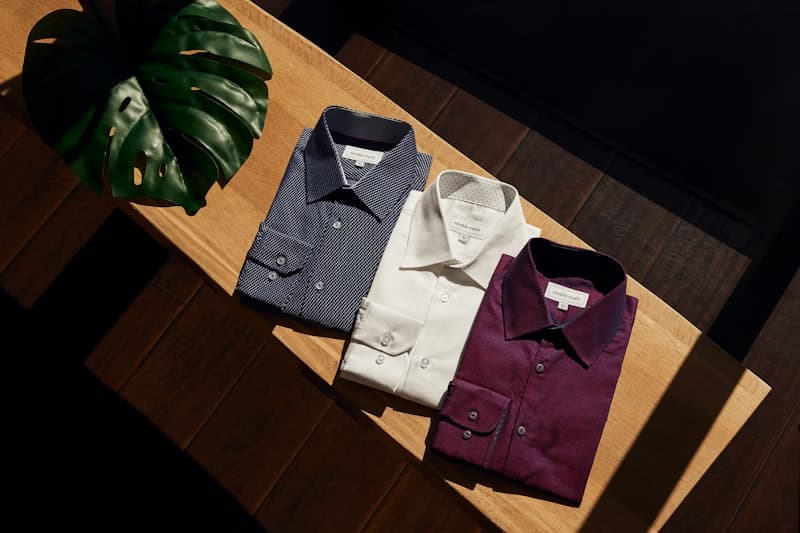
- Tops (10): 3 button-down shirts, 3 quality knit sweaters, 2 plain t-shirts, 1 blouse, 1 casual henley
- Bottoms (6): 2 tailored trousers, 1 dark jean, 1 chino, 1 skirt, 1 pair of shorts
- Outerwear (4): 1 blazer, 1 trench coat or wool coat, 1 denim jacket, 1 cardigan
- Dresses (2): 1 sheath dress, 1 casual day dress
- Shoes (5): 1 pair of leather sneakers, 1 loafers, 1 ankle boots, 1 formal oxfords or heels, 1 sandals
- Other (3): 1 pair of dark-wash jeans (alternate wash), 1 pair of joggers, 1 belt
Adjust the ratios based on your climate, industry, and personal style. The magic is that every top pairs with every bottom, giving you dozens of outfits from a small set of pieces.
Color Palette Strategies for Maximum Mix-and-Match
A cohesive color palette is what makes a small wardrobe feel expansive. The goal is that every piece in your closet can be worn with every other piece, creating maximum outfit combinations from minimal items.
The Neutral Foundation
Start with 60-70% neutrals: navy, charcoal, black, cream, olive, and camel. These colors never clash and form the backbone of every outfit. Choose a primary neutral (e.g., navy or charcoal) and build around it. Avoid having too many competing neutrals — a wardrobe split between black and brown tones can feel disjointed.
The Accent Layer
Add 20-30% accent colors that flatter your complexion and fit your professional context. Think burgundy, forest green, mustard, or dusty rose. These pieces add visual interest without breaking the cohesion of your palette.
The Statement Pieces
Reserve 10% for statement items — a bold printed silk scarf, a brightly colored blazer, or a patterned dress. These are the exclamation points of your wardrobe, used sparingly for maximum impact.
When selecting your palette, consider your industry. A creative solopreneur might lean into olive and camel with pops of terracotta. A consultant or attorney might prefer navy, gray, and white with subtle jewel tones.
Fabric Quality vs. Cost: What Matters Most
One trap solopreneurs fall into is buying cheap fast-fashion pieces to fill their capsule quickly. This is a mistake. A capsule wardrobe relies on longevity — each piece needs to last for years, not months. Here is how to evaluate fabric quality without going broke.
Invest in These Fabrics
- Wool (merino, cashmere, tweed): Breathable, wrinkle-resistant, and odor-resistant. Perfect for travel and long workdays.
- Cotton (long-staple, Egyptian, Pima): Softer, stronger, and less prone to pilling than standard cotton.
- Linen: Ideal for warm climates. Look for mid-weight linen that resists excessive wrinkling.
- Leather and suede: Properly cared for, leather shoes and jackets can last decades.
Save on These
- Synthetic blends for activewear: Save your money here — performance fabrics are fine for the gym.
- Trend pieces: Anything you are buying just because it is fashionable this season should come from a budget brand.
- Basic t-shirts and undershirts: These get the most wear and washing, so replace them regularly. No need for high-end here.
A good rule of thumb: divide your total wardrobe budget by 30 pieces and aim for items that cost roughly that amount. If you are starting from scratch with $1,500, that is $50 per piece — enough for quality staples if you shop smartly.
Seasonal Rotation: Adapting Your Capsule Year-Round
A true capsule wardrobe is not static. You should rotate pieces seasonally to keep your wardrobe functional and fresh. Aim for two main rotations: spring-summer and fall-winter. Each season, swap out about one-third of your wardrobe.
Spring-Summer Capsule
Lightweight fabrics, lighter colors, and more breathable silhouettes. Linen trousers replace wool trousers. T-shirts and short-sleeve button-downs take the place of sweaters. Sandals and canvas sneakers replace boots.
Fall-Winter Capsule
Heavier fabrics, darker tones, and layering pieces. Wool trousers, cashmere sweaters, and structured coats come forward. Ankle boots and leather oxfords replace sandals. Scarves and gloves become key accessories.
Store off-season pieces in vacuum-sealed bags or under-bed storage to free up closet space. When the season changes, the act of swapping your wardrobe becomes a refreshing ritual that reacquaints you with your clothes.
Where to Invest vs. Where to Save
Not all wardrobe pieces deserve the same budget. Here is a clear breakdown tailored to the solopreneur lifestyle.
Invest Heavily
- Outerwear: Your coat or blazer is the most visible piece you own. It frames every outfit. Spend $200-500 for a quality piece that lasts 5-10 years.
- Shoes: Cheap shoes ruin your posture, wear out fast, and look unprofessional. Spend $100-300 per pair for leather construction and Goodyear welting.
- Trousers and tailored pants: Fit is everything here, and good fabric holds its shape. Spend $80-200 per pair.
- Bags and belts: These are daily-use items that take abuse. A $150 leather bag that lasts a decade beats three $50 bags that fall apart.
Save Strategically
- T-shirts and basic knits: These are replaceable. Spend $15-30 each and expect to swap them every 1-2 years.
- Trend-driven items: Keep these cheap unless you plan to wear them past the trend cycle.
- Loungewear and sleepwear: Comfort matters, but no one sees these. Spend $20-50.
- Accessories like scarves and hats: Rotate these frequently, so keep costs modest.
Frequently Asked Questions
How do I handle client meetings that require formal attire?
Keep one formal outfit at the ready — a structured blazer, tailored trousers or a sheath dress, and polished leather shoes. Because your capsule is color-coordinated, this formal piece will pair seamlessly with your existing wardrobe. Store it on a dedicated hanger with the shoes underneath so you can grab it in under two minutes.
What if I gain or lose weight?
A capsule wardrobe actually makes this easier. With fewer pieces, you can gradually swap sizes without needing a full overhaul. Invest in pieces with some stretch or adjustable features. Keep one pair of pants in a size up and one in a size down for transitions. And remember: a good tailor can adjust most garments up or down by one size for $20-50.
How often should I update my capsule wardrobe?
Review your capsule every season (twice a year). Donate or sell anything you have not worn in the past three months. Replace worn-out pieces with carefully chosen upgrades. A healthy capsule wardrobe evolves slowly — aim to add no more than 3-5 new pieces per year.
Can I have a capsule wardrobe on a very tight budget?
Absolutely. Start with thrift stores, consignment shops, and sales from quality brands. Buy the best you can afford in the categories that matter most (outerwear, shoes, trousers). Build slowly — one piece at a time over several months. A $500 starter capsule built from thrifted staples is far better than a $500 fast-fashion haul that disintegrates in six months.
Does a capsule wardrobe mean I have to dress boringly?
Not at all. A capsule wardrobe is a foundation, not a cage. Use texture (wool vs. cotton vs. linen), silhouette (fitted vs. relaxed), and accessories (scarves, watches, jewelry) to express your personality. The constraint actually frees you to develop a stronger personal style because every piece is deliberate.
Conclusion
For the busy solopreneur, a capsule wardrobe is not a fashion statement — it is a productivity tool. By reducing the number of decisions you make about clothing, you free up mental energy for the work that actually matters. You save money by buying fewer, higher-quality pieces. You save time by never wondering what to wear. And you build a professional image that is consistent, polished, and authentically you.
Start small. Pick your color palette, pull 30 pieces, and live with them for one season. Adjust as needed. Within six months, you will wonder why you ever owned more than that. Your closet will be lighter, your mornings easier, and your focus sharper. That is the power of intentional minimalism.