How to Build a Capsule Wardrobe for Men
What a Capsule Wardrobe Is and Why It Matters
A capsule wardrobe is a small, tightly edited collection of clothing in which every piece works with every other piece. It is not about owning fewer clothes for the sake of minimalism. It is about owning the right clothes for your actual life. The goal is to eliminate decision fatigue, reduce clutter, and ensure that every morning you can put together a coherent outfit in under two minutes. When your wardrobe is built around a deliberate palette of colors and silhouettes, getting dressed becomes automatic rather than anxious.
The average man wears only twenty percent of his wardrobe on a regular basis. The remaining eighty percent sits unworn, taking up space and creating a false sense of abundance that actually makes daily dressing harder. A capsule wardrobe reverses this ratio. By paring down to fifteen to twenty core pieces that genuinely fit and flatter, you free up mental energy, save money on impulse purchases, and develop a personal style that is consistent rather than chaotic. The capsule approach forces you to confront what you actually need versus what you merely own.
Choosing Your Color Palette First
Before you buy a single item, decide on your color palette. This is the single most important decision in building a capsule wardrobe. A cohesive palette ensures that every piece in your closet can be combined with every other piece, multiplying your outfit options without requiring more clothes. Start with four to five neutral base colors that will form the backbone of your wardrobe: navy, charcoal, olive, stone, and white. These shades mix effortlessly and work across all seasons and occasions.
Add one or two accent colors that suit your complexion and personal taste — burgundy, forest green, camel, or light blue are reliable choices. These accent pieces provide visual variety while remaining within the overall palette. The rule is that accent colors should never outnumber neutrals. For every colored piece you own, you should own at least three neutrals to balance it. This ensures that your wardrobe remains cohesive rather than chaotic. A single burgundy sweater can brighten an entire week of navy-and-stone outfits, but five colored sweaters competing for attention will fragment your wardrobe.
The 20-Piece Capsule Wardrobe Framework
A well-functioning capsule wardrobe for men typically contains fifteen to twenty core pieces, excluding underwear, socks, and accessories. Start with three to four jackets and outerwear pieces: one unstructured blazer in navy or tan, one casual jacket such as a Harrington or field jacket in olive or beige, one denim or chore jacket, and one proper overcoat for colder months. These layering pieces define the silhouette and temperature range of your wardrobe, so invest in quality fabrics and precise fit.
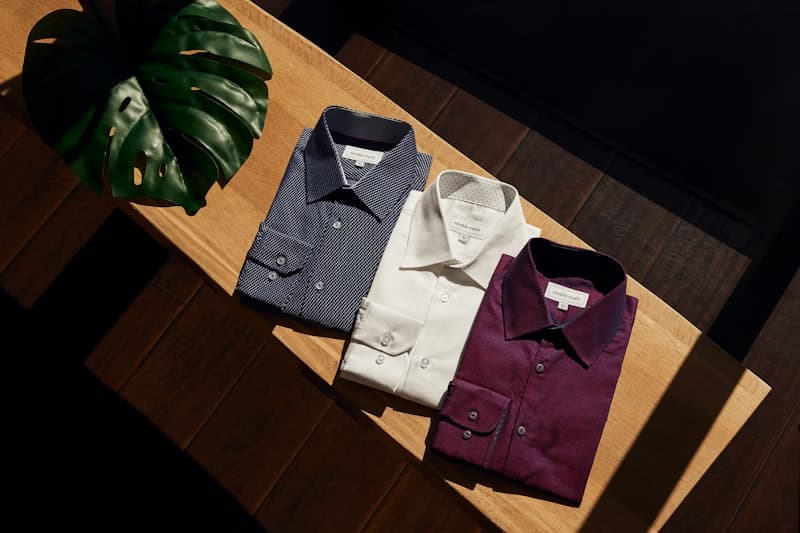
For tops, include three to four button-down shirts in white, pale blue, and a textured option like linen or oxford cloth. Add two to three knitwear pieces: a fine-gauge merino crewneck in charcoal or navy, a cotton cardigan in stone or olive, and a heavier sweater for winter. Include three high-quality T-shirts in white, navy, and heather gray — these form the base layer for most casual outfits. For bottoms, choose two pairs of trousers: one in stone or beige and one in charcoal or navy. Add one pair of dark indigo jeans with no rips or distressing. Two pairs of shorts in neutral tones complete the bottom half for warmer months.
Footwear Strategy for a Capsule Wardrobe
Shoes require their own strategy within a capsule wardrobe. Unlike clothing, footwear is harder to mix and match across contexts, so you need deliberate coverage of your lifestyle rather than pure versatility. Aim for three to four pairs that cover the full spectrum of your activities. One pair of minimal white leather sneakers handles casual weekends, travel, and warm-weather outfits. One pair of dark brown or tan leather loafers covers smart casual dinners, dates, and summer events where sneakers feel too informal.
One pair of black or dark brown Chelsea boots bridges the gap between casual and refined, working equally well with jeans, chinos, and even tailored trousers. For men who need a dress shoe, add one pair of dark brown derby shoes in polished leather. The key to making a small shoe collection work is rotating your pairs so each one gets rest days. Leather shoes need at least twenty-four hours between wears to dry out and maintain their shape. A well-made pair of shoes, resoled twice, will last twenty years if properly maintained. Spend your money here — cost per wear on quality footwear is lower than any other wardrobe category.
How to Maximize Outfit Combinations
With a fifteen-piece capsule wardrobe built around a unified color palette, you can create over thirty distinct outfits without repeating the same combination twice. The principle is simple: swap trousers to change the register, layer knitwear to change the silhouette, and change footwear to change the mood. A navy blazer worn with stone chinos and white sneakers feels relaxed and approachable. The same blazer with charcoal trousers and leather derby shoes feels refined and intentional. The pieces stay the same; only the combinations shift.
Organization matters as much as selection. Group your closet by category — jackets together, shirts together, trousers together — so you can see every option at a glance. Store knitwear folded rather than hung to preserve their shape. Keep shoes visible on a rack or shelf rather than buried in boxes. When you can see everything you own at once, outfit ideas multiply naturally. The goal is to spend zero mental energy on what to wear so you can spend that energy on everything else that matters.
Maintaining and Evolving Your Capsule Wardrobe
A capsule wardrobe is not a one-time project. It requires seasonal rotation and periodic reassessment. Twice a year — at the change of spring and autumn — pull everything out, wash and brush each garment, and store off-season pieces in breathable cotton bags with cedar blocks to repel moths and absorb moisture. Never use plastic bags for storage; they trap moisture and damage natural fibers. Store wool garments flat or on broad-shouldered hangers, never on wire hangers that deform the shoulders.
When replacing a piece, apply the cost-per-wear calculation before purchasing. A one-hundred-twenty-dollar shirt worn three hundred times costs forty cents per wear. A thirty-dollar shirt worn twenty times costs one dollar fifty per wear. The more expensive garment is actually the cheaper investment in real terms. Buy two excellent pieces per year rather than ten average ones. Within five years, your wardrobe will be transformed. Within ten, it will be exceptional. The capsule approach is not restriction — it is liberation from the cycle of fast fashion and the anxiety of a closet full of nothing to wear.