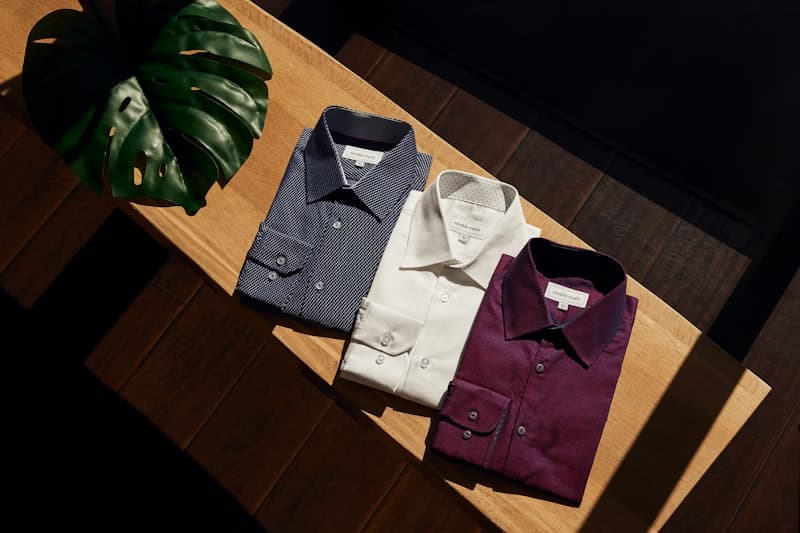
Business Formal Event Wear for Men: Complete Guide
Navigate black-tie galas, awards dinners, and high-stakes corporate events with confidence. Know exactly what to wear and what to avoid.
Understanding Business Formal vs Black Tie
Business formal is a dress code that sits one step below black tie but above business professional. While black tie explicitly requires a tuxedo, business formal opens the door to a dark suit as long as it meets specific standards. The key distinction is that business formal events are often professional or corporate in nature — awards ceremonies, charity galas, diplomatic receptions — where a tuxedo could appear overdressed and a standard office suit might look underdressed.
The safest interpretation of business formal is a well-tailored dark suit in charcoal, navy, or black, paired with a crisp white dress shirt and a silk tie. The suit should be two-piece (jacket and trousers) and made from a high-quality wool or wool-blend fabric. Patterned suits like chalkstripes or windowpanes are acceptable only in subtle, tonal variations. Avoid bold checks, loud plaids, or anything that reads as casual or trendy.
Tuxedo Versus Dark Suit: Making the Right Call
Choosing between a tuxedo and a dark suit depends on three factors: the invitation wording, the time of the event, and the venue. If the invitation explicitly says Black Tie Optional, a tuxedo is preferred and a dark suit is acceptable but signals that you did not own a tuxedo. If the invitation says Business Formal without mentioning black tie, a dark suit is the correct choice. Evening events (starting after 6 PM) lean toward more formal attire than morning or afternoon functions.
When you choose a tuxedo, select a shawl-collar or peak-lapel jacket in black or midnight blue. The trousers should have a single satin stripe down the outer seam. Wear a white pleated-front or marcella-front shirt with French cuffs and cuff links. A black silk bow tie is mandatory, and black patent leather oxfords or opera pumps complete the look. A tuxedo without cuff links or with a regular button-front shirt is immediately noticeable as a shortcut and undermines the entire outfit.
Accessories That Elevate Your Business Formal Look
Accessories at a business formal event should be minimal, purposeful, and of the highest quality. A pocket square in white linen or silk, folded in a simple presidential or puff fold, adds a touch of elegance without competing with your tie. Cuff links should be simple — mother-of-pearl, black onyx, or brushed silver — and should match your watch and belt hardware. Avoid novelty cuff links shaped like golf clubs or your company logo.
Your watch should be a thin dress watch that fits entirely under your shirt cuff. The dial should be simple — no chronographs, dive bezels, or visible date windows if possible — and the strap should be black alligator, calfskin, or a fine leather bracelet. A watch that is too thick or too large will catch on your cuff and look awkward when you gesture. Your belt should be a simple leather dress belt with a small, understated buckle that matches your shoes in color and finish.
Shoe Selection and Grooming Standards
Shoes at a business formal event should be oxfords — never loafers, never derbies, never monk straps unless the dress code explicitly permits them. Black calfskin captoe oxfords are the gold standard. Wholecut oxfords (made from a single piece of leather) are even dressier and appropriate for the most formal events. The shoes should be polished to a mirror shine, with no scuffs or visible wear. If you have not had your shoes resoled in the last year, check the heels and soles before the event.
Grooming is part of the outfit. Your hair should be clean and styled in a way that keeps it out of your face. Facial hair should be neatly trimmed or clean-shaven — a full beard is rarely appropriate at business formal events unless it is extremely well-groomed. Your nails should be clean and trimmed. A subtle fragrance is acceptable but should not be detectable more than an arm's length away. The goal is that people notice your overall presence, not any single grooming detail.
Common Mistakes and How to Avoid Them
The most common mistake men make at business formal events is wearing an ill-fitting suit. Jacket shoulders that extend past your natural shoulder line, trousers that pool over your shoes, and sleeves that cover your shirt cuffs entirely all signal that you borrowed or rented the wrong size. Visit a tailor at least two weeks before the event to have your suit adjusted. A $500 suit that fits perfectly looks better than a $2,000 suit that fits poorly.
Another frequent error is mismatched formality levels. Wearing a suit with a polo shirt underneath, or wearing a tuxedo with a regular leather belt instead of suspenders, breaks the visual language of formalwear. If you wear a tuxedo, you must also wear cuff links, a bow tie, and patent leather shoes. If you wear a suit, stick to a dress shirt, tie, and polished leather oxfords. Mixing casual and formal elements creates an effect that reads as confused rather than creative.