Building the Ultimate Business Casual Wardrobe Core
Discover the essential pieces for a versatile business casual wardrobe, from tailored chinos to quality blazers, and learn how to mix and match for effortless professional style.
The Foundation of Business Casual
Business casual has become the dominant dress code in modern workplaces, striking a balance between professional polish and personal comfort. Unlike formal suiting or corporate attire, business casual allows for individual expression while maintaining a respectable appearance. The key lies in understanding which pieces form the foundation of this versatile wardrobe and how they work together seamlessly. Building this core collection requires thoughtful investment in quality basics that can transition across seasons, meetings, and even after-work social events.
Essential Tops: Shirts and Knitwear
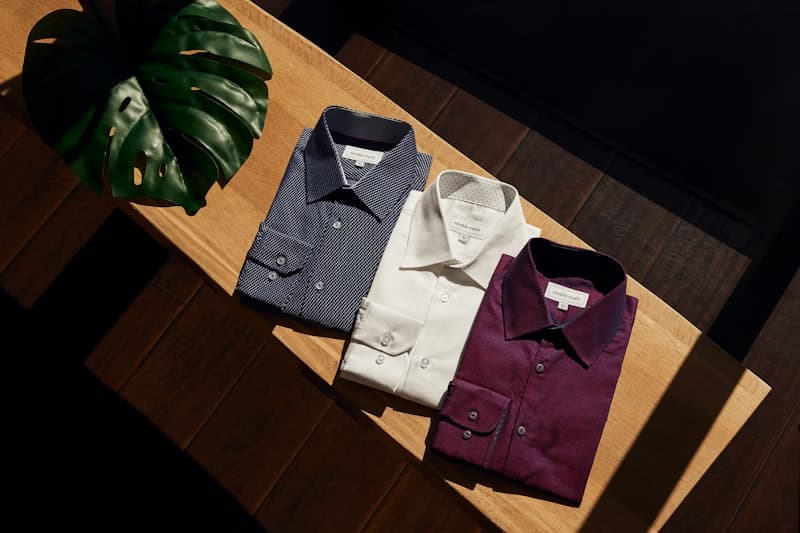
Your business casual wardrobe starts with the right tops. Crisp Oxford cloth button-down shirts in white, light blue, and subtle stripes form the backbone of any rotation. These shirts pair equally well with chinos, wool trousers, or dark denim. For cooler months, incorporate merino wool crewnecks and V-neck sweaters that layer effortlessly over collared shirts. A high-quality cashmere or cotton sweater in a neutral tone like navy, charcoal, or heather grey adds instant sophistication. The goal is to own pieces that combine effortlessly rather than requiring constant coordination.
Bottoms: Chinos, Trousers, and Dark Denim
Chinos in classic shades of khaki, navy, and olive are the undisputed workhorses of business casual dressing. Look for flat-front styles with a tailored but not skinny fit that allows all-day comfort. Wool trousers in charcoal or medium grey elevate your look for client meetings or presentations. Well-fitting dark wash denim without distressing can bridge the gap between casual Friday and traditional workwear. Invest in proper tailoring for hem lengths and waist adjustments, as fit dramatically impacts how polished you appear regardless of the garment's price point.
Layering Pieces: Blazers and Sport Coats
A well-chosen blazer transforms an ordinary outfit into a professional ensemble. Start with a navy blazer in a soft construction — unstructured shoulders and a natural silhouette keep it comfortable while maintaining authority. A grey tweed or wool sport coat provides texture and seasonal versatility. These jackets should feel like elevated layering pieces rather than restrictive suit separates. The fabric should have some give, the sleeves should show a quarter inch of shirt cuff, and the shoulder seam should align with your natural shoulder line for the most flattering appearance.
Footwear and Accessories
Shoes make or break the business casual look. Brown leather derbies or loafers in calfskin offer timeless appeal and work with virtually every outfit. A pair of dark brown suede chukka boots adds texture and works well in fall and winter. For belts, match your shoe color closely — brown shoes call for a brown belt. A simple leather watch on a brown or black strap, a subtle wedding band if applicable, and perhaps a pocket square for blazer days complete the ensemble without over-accessorizing. Less is more when the goal is professional refinement.
Building Your Rotation and Budget Strategy
Start with a five-piece foundation: two dress shirts, two pairs of chinos, and one blazer. Add wool trousers, a sweater, and quality shoes as your budget allows. Prioritize fit over brand names, and invest in tailoring early. Rotate garments to extend their life and always hang jackets on proper wooden hangers. With this core in place, you can create dozens of distinct outfits that project competence and style without requiring a massive closet or daily decision fatigue.