Business Casual for Solopreneurs: Build a Professional Wardrobe That Works
Essential business casual wardrobe guide for solopreneurs and freelancers. Learn how to dress professionally for client meetings, co-working spaces, and video calls without a corporate dress code.
Solopreneurs operate in a style paradox. You need to look professional enough to command respect from clients and partners, yet you have no HR department, no dress code policy, and often no reason to wear a suit. You work from coffee shops, co-working spaces, your home office, and occasionally a client's boardroom. Your wardrobe must bridge these worlds seamlessly, projecting competence without over-formality.
Dressing well as a solopreneur is a business investment. A 2020 study from Princeton University found that people form first impressions of competence and trustworthiness within 200 milliseconds of seeing someone. When you are a solo operator, your appearance is your brand's first touchpoint. A well-fitted blazer communicates reliability; clean, crisp shirts signal attention to detail. These are the same qualities you need clients to associate with your business.
The Foundation: Shirts and Layers
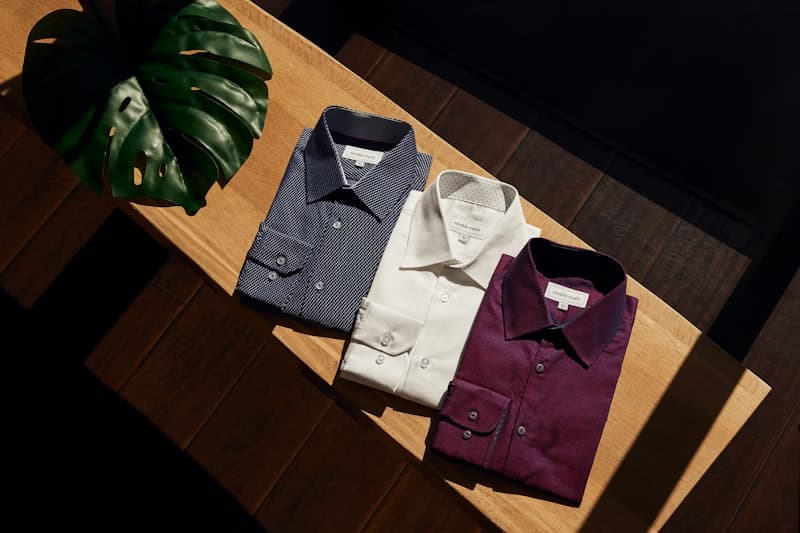
Start with three Oxford cloth button-downs in white, light blue, and a subtle stripe from brands like Charles Tyrwhitt or Kamakura Shirts. These shirts are the backbone of solopreneur style because they work in almost every setting. Wear one untucked with chinos and clean sneakers for a coffee shop work session. Tuck it under a blazer for a client lunch. Roll the sleeves for a more relaxed but still intentional look.
Add two high-quality polo shirts in neutral colors like navy and heather grey. Look for flat-knit or pique cotton polos from Sunspel or Ralph Lauren that hold their collar shape. Polos hit the perfect middle ground between a t-shirt and a button-down. Pair them with tailored trousers and loafers for video calls where a full shirt feels too stiff. Avoid logos or loud patterns—solopreneur style is about understated confidence.
Blazers and Jackets for Instant Polish
A single well-fitted blazer is the highest-ROI item in a solopreneur's closet. Choose an unstructured blazer in navy or charcoal from Suitsupply or J.Crew's Ludlow line. Unstructured means minimal padding and canvassing, so the blazer feels more like a cardigan than a suit jacket. It drapes naturally, packs easily, and pairs with jeans, chinos, or dress trousers. You can wear it without feeling overdressed for a solo lunch.
For cooler months, a merino wool cardigan from Inis Meain or John Smedley serves a similar purpose—structured enough to look deliberate, comfortable enough for eight hours of work. Layer it over an Oxford shirt with the collar popped, or wear it alone against a henley. The cardigan is especially effective for Zoom calls, where the camera frame focuses on your upper body. It reads as thoughtful and relaxed but not sloppy.
Bottoms: Versatility Is Everything
Resist the urge to wear the same jeans every day just because nobody is watching. Invest in two pairs of tailored chinos from Bonobos or Spier & Mackay in navy and stone. Tailored chinos have a slimmer leg opening and a higher rise than casual chinos, so they work with both sneakers and dress shoes. They also transition better from desk to dinner without looking like cargo pants.
For dressier occasions, add one pair of grey wool trousers from Suitsupply or Banana Republic. Grey wool trousers are the Swiss Army knife of business casual—they pair with every shirt and shoe combination in your closet. Wear them with a polo and white sneakers for a modern take on business casual, or with your blazer and Oxford shirt for formal client presentations. One pair covers every scenario that requires more than chinos.
Footwear: Walk the Line
Shoe choices make or break a solopreneur outfit. You need shoes that look professional but are comfortable enough for a day of walking between meetings or standing at a co-working space. Three pairs cover everything: a pair of dark brown leather derbies or loafers from Meermin or Grant Stone, a pair of clean white leather sneakers from Common Projects or Koio, and a pair of suede chukka boots from Clarks or Red Wing.
Derbies and loafers handle client meetings and formal settings. White sneakers work with chinos and jeans for everyday wear. Chukka boots bridge the gap for transitional weather and pair perfectly with wool trousers. Invest in quality shoe trees—Stratton or Woodlore cedar trees absorb moisture and maintain shape. Rotate shoes so each pair dries for 24 hours between wears. This extends their life from one year to five or more.
Video Call Ready: Dressing for the Camera
Solopreneurs live on video calls, and camera-ready dressing requires specific considerations. Avoid thin stripes and busy patterns that cause moiré effects on digital cameras. Solid colors and subtle textures like herringbone or twill read best on Zoom and Google Meet. Keep a dedicated video call shirt or jacket hanging near your desk—a simple uniform of a navy blazer over a white Oxford means you are camera-ready in thirty seconds.
Pay attention to what the camera sees from the chest up. A crisp collar frames your face. A watch with a leather strap—a simple Seiko Presage or Tissot Le Locle—adds visual interest when you gesture. Keep a lint roller and a compact steamer within reach of your desk. A wrinkled collar or visible pet hair undermines your professionalism faster than any wardrobe choice. These small investments in your appearance pay direct dividends in client trust and booking conversion rates.