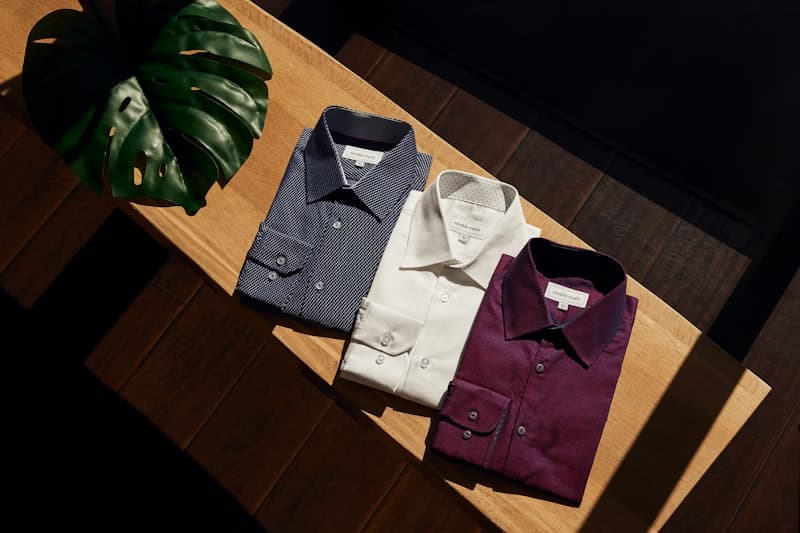
Business Casual Style Guide for Men: One Wardrobe from Monday to Friday
The most practical yet most often-mistaken dress code. A complete business casual wardrobe map covering essential pieces, color combos, and occasion matching.
Business Casual Style Guide for Men: One Wardrobe from Monday to Friday
The Most Misunderstood Dress Code
Business casual is simultaneously the most practical and most frequently screwed-up dress code in menswear. The name itself creates confusion: business demands professionalism, casual demands comfort. Find the balance, and you have a wardrobe that works from Monday morning meetings to Friday evening socials. Miss it, and you look either like you're going to a funeral or like you just rolled out of bed.
Here's the honest truth: business casual isn't a specific look. It's a spectrum. Where you land on that spectrum depends on your industry, your company culture, and the specific occasion. The key is understanding the range and having the right pieces to move along it.
The Core Wardrobe: What You Actually Need
Tops (5-Piece Foundation)
- White Oxford Cloth Button-Down (x2) — the workhorse of your wardrobe. Choose a slim-but-not-skinny fit. One in classic oxford cloth for everyday, one in a finer weave for dressier days.
- Light Blue Button-Down (x1) — softer and more approachable than white. Works with everything in your wardrobe.
- Pique Polo Shirts (x2) — navy and white. Make sure the collar stays crisp — a floppy polo collar ruins the whole look.
- Fine-Knit Sweater (x1) — light gray or navy. V-neck or crewneck. Perfect for layering over a button-down in air-conditioned offices.
- Unstructured Blazer or Sport Coat (x1) — navy or gray. The key word is unstructured: minimal padding, soft shoulders, half-lined. This is your secret weapon for looking put-together without looking overdressed.
Bottoms (3-Piece Foundation)
- Chinos (x2) — one khaki, one navy. Flat-front, slim straight fit. Cotton or cotton-wool blend.
- Dark Wash Jeans (x1) — deep indigo or black. No rips, no fading, no wide legs. Slim straight fit. This is the most casual acceptable item in business casual.
- Wool Trousers (x1) — gray or brown. More formal than chinos, less formal than a suit pant. Bridges the gap when you need to dress up.
Footwear (3-4 Pairs)
- Leather Loafers — brown leather or suede. The most versatile shoe in business casual.
- Derby Shoes — dark brown. More relaxed than oxfords, suitable for most business casual settings.
- Minimalist White Sneakers — clean white leather. Only for the most casual end of the spectrum.
- Chelsea Boots — dark brown or black suede. Perfect for fall and winter.
Accessories
Belts: one brown, one black. Match to your shoes. Watch: simple leather or metal band, nothing chunky or sporty. Socks: mid-calf, matching your trousers in color. Bag: canvas tote or leather backpack — no gym bags or logo-covered backpacks.
The Color System
Three rules cover 90% of successful outfits:
- Base everything in neutrals: navy, gray, khaki, white, black
- One accent per outfit: one colored or patterned piece per outfit
- Maximum three colors per outfit, excluding neutrals
Four Classic Combinations
The Safe Choice: white OCBD, khaki chinos, brown loafers — perfect for Monday meetings and first client meetings. The Authority Look: light blue shirt, navy chinos, dark brown derbies — when you need to project calm confidence. The Relaxed Professional: navy polo, gray trousers, white sneakers — ideal for Friday office and team lunch. The Layered Look: white shirt, gray sweater, navy blazer, khaki chinos, brown loafers — for client lunches and external meetings.
The Day-by-Day Wardrobe Map
Monday is Stakeholder Day. This is when you're most likely to see clients or senior management. Dress on the formal end with the Safe Choice or the Layered Look. Tuesday through Thursday are Core Workdays. Rotate through your combinations. Key details matter more than the specific pieces: collars must be crisp, shoes must be clean and polished, clothes must be pressed.
Friday is Relaxed Professional day. The Relaxed Professional combo works perfectly. You can substitute dark jeans if your office allows it. Weekend Social occasions require an office-to-after-work transition. Swap your derbies for loafers or sneakers. Unbutton your top button. If you were wearing a blazer, take it off and carry it. A quick shirt-tuck adjustment completes the transformation.
Common Mistakes (and How to Avoid Them)
- The Tie Trap — if you're wearing a tie, it's not business casual
- Shirt Tail Confusion — formal button-downs must be tucked in; polo shirts can be untucked only if the hem is straight
- Wrong Jeans — dark wash, no fading, no holes, slim straight fit only
- Accessory Clutter — don't clip phones or keys to your belt
- Neglected Shoes — scuffed shoes ruin the entire look regardless of what you're wearing
The Weekly Rotation Template
| Day | Outfit | | Monday | White shirt + Khaki chinos + Brown loafers | | Tuesday | Light blue shirt + Navy chinos + Brown derbies | | Wednesday | White shirt + Gray wool trousers + Black derbies | | Thursday | Light blue shirt + Khaki chinos + Brown loafers | | Friday | Navy polo + Gray trousers + White sneakers | | Weekend brunch | Striped polo + Dark jeans + Loafers |
The golden rule: when in doubt, dress slightly more formally than the situation requires. You can always remove a jacket or roll up sleeves, but you can't add polish you don't have. Mastering business casual isn't about buying a whole new wardrobe — it's about buying the right pieces and knowing how to combine them with intention. Invest in quality basics, keep them in good condition, and you'll be the best-dressed man in the room without looking like you tried too hard.