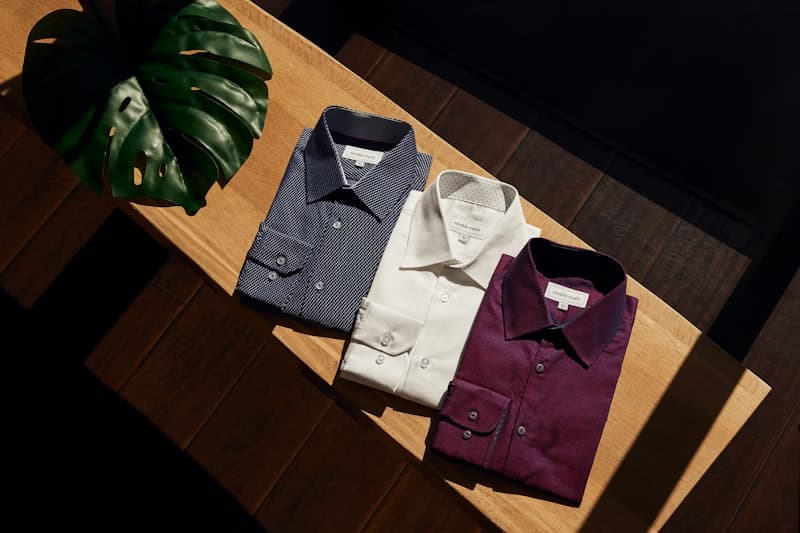
Business Casual Essentials: How to Nail the Dress Code Without Sacrificing Style
Master the business casual dress code with our complete guide for men. Learn what to wear, what to avoid, and how to build versatile outfits that balance professionalism and personality.
Decoding Business Casual in the Modern Workplace
Business casual has evolved significantly over the past decade. What was once a simple Friday-only dress code has become the daily standard for countless offices. The definition varies by industry, company culture, and even geographic region, which makes it one of the most confusing dress codes to navigate.
At its core, business casual means dressing more relaxed than a full suit and tie but still looking professional and put-together. You want to strike a balance between approachable and authoritative. Think tailored but comfortable, polished but not stiff. The goal is to look like you respect yourself and the people you are meeting without looking like you are attending a formal gala.
The Foundation: Shirts That Mean Business
Your shirt is the anchor of any business casual outfit. Oxford cloth button-downs in white and light blue are the gold standard. They are crisp enough for client meetings but casual enough for everyday wear. Look for a spread or button-down collar that holds its shape well. A good oxford should feel substantial without being heavy.
For warmer months, consider lightweight chambray shirts in lighter washes. They offer the same polished look with more breathability. High-quality polo shirts in solid colors are acceptable in most tech and creative environments. Stick to merino wool or pique cotton polos without large logos. A well-fitted polo tucked into chinos is a classic, effortless look.
Bottoms: Chinos, Trousers, and the Case for Dark Denim
Chinos are the undisputed king of business casual bottoms. They hit the perfect middle ground between formal trousers and casual jeans. Choose flat-front chinos in khaki, navy, olive, or charcoal. These colors pair effortlessly with any shirt or blazer in your rotation. Make sure the fit is slim but not skinny, with a slight taper at the ankle.
Dark wash denim is now widely accepted in business casual environments, especially on the West Coast and in creative industries. The key is to choose a clean, dark rinse without rips, fading, or distressing. Pair dark jeans with a blazer and an oxford to balance casual and professional. For conservative offices, stick to chinos or wool trousers instead.
Blazers and Layering Pieces That Elevate Your Look
A well-fitted blazer instantly upgrades any business casual outfit. Opt for unstructured blazers in relaxed fabrics like cotton, tweed, or linen rather than structured suit jackets. A navy blazer is the most versatile option and works with chinos, dark jeans, and even tailored shorts in summer. Grey and tan are excellent secondary choices.
Sweaters are another powerful layering tool. A lightweight merino wool crewneck or V-neck in navy, charcoal, or burgundy can replace a blazer on casual days. Quarter-zip sweaters in solid colors are a classic prep-school staple that still works today. Cardigans in fine knits offer a sophisticated, academic vibe that suits many office environments.
Footwear: Shoes That Command Respect
Your shoes say a lot about your attention to detail. For business casual, aim for leather footwear in classic silhouettes. Brown leather derbies or oxfords are the most versatile and pair with both chinos and trousers. Dark brown is safer than black because it complements a wider range of outfit colors. Loafers in leather or suede are an excellent warm-weather alternative.
Minimal white leather sneakers have earned their place in business casual rotations, but only in the right context. Stick to clean, understated designs like Adidas Stan Smiths or Common Projects. Avoid running shoes, athletic sneakers, or anything with bulky soles. When in doubt, choose leather over canvas and lace-ups over slip-ons.
What to Avoid: Common Business Casual Pitfalls
The most common mistake is dressing too casually. Hoodies, sweatpants, ripped jeans, graphic t-shirts, and athletic wear have no place in a business casual wardrobe. Even if your office is relaxed, these items signal a lack of effort that can undermine your professional image. It is always better to be slightly overdressed than underdressed.
Another frequent error is poor fit. Baggy trousers, sleeves that cover your knuckles, and sagging shoulders make even expensive clothes look sloppy. Take the time to get your key pieces tailored. A $40 shirt that is hemmed and tapered to fit you perfectly will look better than a $150 off-the-rack shirt that does not fit. Fit is the secret ingredient to looking polished.
Building a Business Casual Wardrobe on Any Budget
You do not need to spend a fortune to nail business casual. Start with the essentials: two oxford shirts, two pairs of chinos, a navy blazer, and one pair of leather shoes. Brands like Uniqlo, J.Crew, and Banana Republic offer excellent quality at accessible prices. Focus on fit first and fabric second, and avoid trendy pieces that will look dated in a year.
As your budget allows, upgrade your core pieces to higher-quality options. Invest in a merino wool sweater, a tailored blazer, and Goodyear-welted shoes that can be resoled. These pieces cost more upfront but last years longer than fast-fashion alternatives. Building a wardrobe is a marathon, not a sprint.
Putting It All Together: Outfit Formulas for Success
For a standard workday, wear an oxford shirt in light blue with navy chinos and brown leather derbies. Add the navy blazer for meetings or remove it for desk work. For a more casual Friday, swap the oxford for a merino polo and the chinos for dark wash jeans. Keep the same shoes for consistency.
For client presentations, wear a white oxford with charcoal wool trousers, a navy blazer, and polished brown oxfords. A silk tie is optional depending on your industry. For remote video calls, focus on what is visible on camera: a well-fitted shirt or sweater in a solid or subtle pattern. Avoid busy prints that distract on screen.