Business Casual Dress Code Decoded for Men
Navigate the confusing business casual dress code with confidence. Learn what works, what does not, and how to build a versatile office wardrobe.
What Business Casual Actually Means
Business casual is perhaps the most misunderstood dress code in modern menswear. For some companies it means a blazer without a tie, while for others it simply means no denim or sneakers. The confusion stems from the fact that there is no universal standard — each workplace interprets the code differently based on industry, company culture, and geographic location. At its core, business casual sits between formal business attire and smart casual. It retains a professional structure while allowing for more personal expression and comfort. The key is to look polished, intentional, and respectful without appearing overly stiff or formal. Understanding the spectrum of business casual — from the more formal “executive casual” to the more relaxed “Friday casual” — will help you calibrate your outfits appropriately for your specific environment. When in doubt, it is always better to be slightly overdressed than underdressed during the adjustment period.
The Building Blocks of a Business Casual Wardrobe
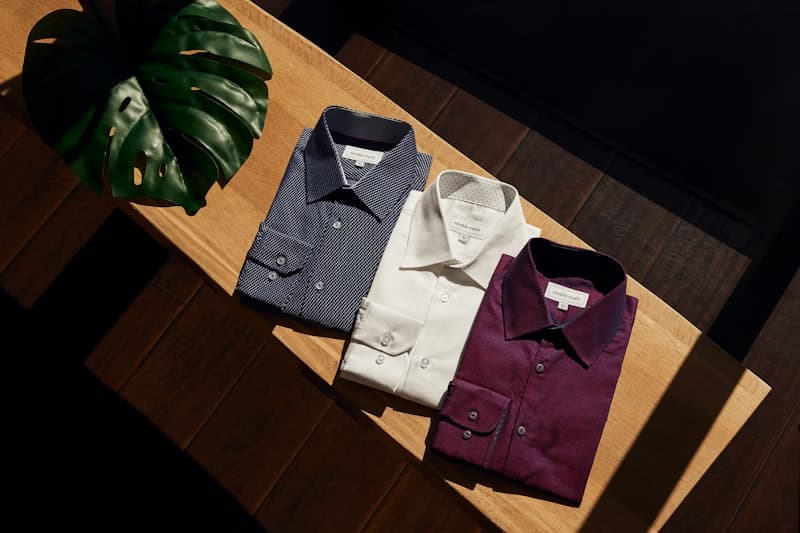
Start with the essentials: two to three tailored blazers or sport coats in navy, charcoal gray, and a textured option like tweed or herringbone. These should fit well across the shoulders and chest without being tight. Pair them with dress shirts in white, light blue, and subtle patterns like micro-check or fine stripes. Button-down collars are slightly more casual than point collars, making them ideal for business casual settings. For bottoms, invest in chinos in navy, khaki, and gray, plus one pair of wool trousers in charcoal or medium gray. These fabrics and colors coordinate effortlessly with your blazers and shirts. Avoid cargo pants, jeans with rips or heavy distressing, and overly casual shorts. Footwear should include leather loafers, derby shoes, or clean minimalist sneakers in white or brown. Complete each outfit with a leather belt, a quality watch, and a simple pocket square for occasions that call for extra polish.
What to Avoid in a Business Casual Environment
Even experienced professionals make mistakes that undermine their business casual look. The most common error is treating business casual as a license to dress sloppily. Wrinkled shirts, scuffed shoes, and ill-fitting clothing signal carelessness regardless of the formality level. Avoid graphic tees, hoodies, baseball caps, flip-flops, and athletic wear unless your office explicitly allows them. Denim is a gray area: dark, clean, unwrinkled jeans without rips can work in creative or tech-forward offices, but they are inappropriate in conservative industries like finance or law. Another frequent mistake is wearing a tie without a jacket or a jacket without a tie in a way that looks incomplete. Either commit to the full jacket-and-tie look or remove both and opt for a blazer with an open-collar shirt. Oversized or baggy clothing also undermines the professional appearance that business casual aims to project. Fit remains the single most important factor.
Seasonal Adaptations and Industry Variations
Business casual evolves with the seasons and varies significantly by industry. In summer, switch to lighter fabrics like linen, cotton, and seersucker. Linen blazers in light gray or beige, paired with cotton chinos and loafers without socks, create a polished but airy look. In winter, incorporate cashmere or merino wool sweaters under blazers, switch to heavier wool trousers, and wear suede chukka boots or leather oxfords. Layering becomes essential: a v-neck sweater over a collared shirt with a blazer on top is a sophisticated cold-weather combination. Industry matters enormously. Creative fields like advertising, tech, and media allow for more color, pattern, and texture experimentation — think olive blazers, burgundy chinos, and patterned shirts. Conservative industries like banking, law, and consulting favor muted colors, classic silhouettes, and minimal accessories. Architecture and design offices often fall somewhere in between, appreciating thoughtful style without excessive formality.
Building a Capsule Business Casual Wardrobe on a Budget
You do not need an unlimited budget to dress well for business casual environments. Focus your spending on items that make the biggest impact: a well-fitting blazer, quality shoes, and good trousers. These three categories matter most because they frame your entire appearance. Spend less on shirts, which can be rotated frequently and replaced as needed. Stick to a neutral color palette — navy, gray, white, beige, and olive — to maximize outfit combinations from fewer pieces. A capsule wardrobe of two blazers, five shirts, three pairs of trousers, two belts, and three pairs of shoes can yield over thirty distinct outfits. Buy during end-of-season sales, explore outlets, and consider second-hand options for higher-end brands. Tailoring is your best friend: a $40 thrifted blazer that is tailored to your measurements for $30 will look better than a $200 off-the-rack option that does not fit. Prioritize fit, fabric quality, and versatility over brand names.
Final Tips for Nailing Business Casual Every Day
Mastering business casual ultimately comes down to intention and consistency. Develop a personal uniform of two or three outfit templates that you know work and rotate within those templates. Pay attention to fabrics: natural fibers like cotton, wool, and linen look more professional than synthetics. Ensure your shoes are always clean and well-maintained — scuffed footwear ruins an otherwise polished outfit. Iron or steam your clothes the night before to avoid morning stress. Keep a spare blazer and tie at your desk for unexpected meetings or client visits. Observe what senior colleagues wear and calibrate your style accordingly. Most importantly, confidence comes from knowing you look appropriate. When your clothing fits well, is clean, and is appropriate for the context, you can focus on your work instead of worrying about your appearance. Business casual is not a trap — it is an opportunity to express professionalism with personality.