Athleisure Style for Modern Professionals: Balancing Sportswear and Business Casual
Master the art of athleisure dressing for the modern workplace. Learn how to blend sportswear elements with business casual staples for a look that is comfortable, professional, and stylish.
The Rise of Athleisure in Professional Settings
The boundaries between athletic wear and professional clothing have blurred dramatically over the past decade, reshaping how modern men dress for work and social life. What was once unthinkable — wearing sneakers with a blazer to a business meeting — has become not just acceptable but fashionable in many industries. This shift reflects broader changes in workplace culture toward flexibility, comfort, and individual expression. The modern professional no longer needs to choose between being comfortable and looking polished.
Athleisure at its core is about intentional blending of two previously distinct wardrobes. It is not wearing gym clothes to the office — it is the art of incorporating technical fabrics, athletic silhouettes, and sportswear design elements into outfits that remain appropriate for professional environments. The key distinction that separates good athleisure from sloppy dressing is that athleisure looks deliberate and considered. A well-executed athleisure outfit signals that you understand contemporary style and have made a conscious choice, not that you simply grabbed whatever was closest.
The industries most receptive to athleisure are those that already embrace casual dress codes and modern workplace culture: technology companies, creative agencies, startups, media organisations, and forward-thinking professional services firms. However, even in more traditional environments like law, finance, and consulting, athleisure elements can work in after-hours settings, casual Fridays, and off-site team events where the dress code relaxes. The golden rule remains understanding context — know your workplace culture and dress for the specific situation, not just the general dress code policy.
The Building Blocks of Professional Athleisure
The foundation of successful athleisure is the artful mixing of technical and traditional pieces in a single outfit. Start with a structured blazer or a tailored jacket — this is the piece that anchors the entire outfit and provides the professional credibility that prevents the look from sliding into sloppiness. An unstructured blazer in a textured fabric like cotton, linen, or a wool-cashmere blend works best because it maintains shape and structure without looking overly formal or stiff. The blazer signals that you are dressed intentionally, even if the rest of your outfit leans heavily casual.
Your trousers should bridge the gap between formal trousers and athletic wear. Technical chinos from brands like Outlier, Lululemon, or Ministry of Supply offer the appearance of traditional trousers with the stretch, breathability, and all-day comfort of performance fabrics. Look for four-way stretch, moisture-wicking properties, and a tailored fit that does not look like cargo pants or track pants. The ideal pair cleans up well with a blazer for meetings but feels like sweatpants when you are sitting at your desk — this is the magic of modern fabric technology that makes athleisure possible.
Footwear is where athleisure makes its boldest and most visible statement, so choose carefully. Minimalist leather sneakers in white, black, or neutral tones are the most versatile and professional option available. Common Projects, Axel Arigato, and Koio produce sneakers that are indistinguishable from dress shoes at first glance but offer the comfort and walking ease of athletic footwear. Avoid running shoes, basketball shoes, or anything with visible logos or branding. The goal is a clean, streamlined silhouette that complements the rest of your outfit rather than competing with it for attention.
Technical Fabrics: The Secret Weapon
The materials you choose determine whether your athleisure outfit looks intentional and polished or sloppy and unfinished. Performance fabrics have advanced to the point where they can replicate the drape, texture, and appearance of traditional materials while offering superior comfort and functionality that changes how you experience your clothing. Merino wool is perhaps the most versatile and valuable fabric for athleisure — it regulates temperature naturally, resists odour for multiple wears, wicks moisture away from the skin, and has the appearance and feel of a natural fibre because it is exactly that.
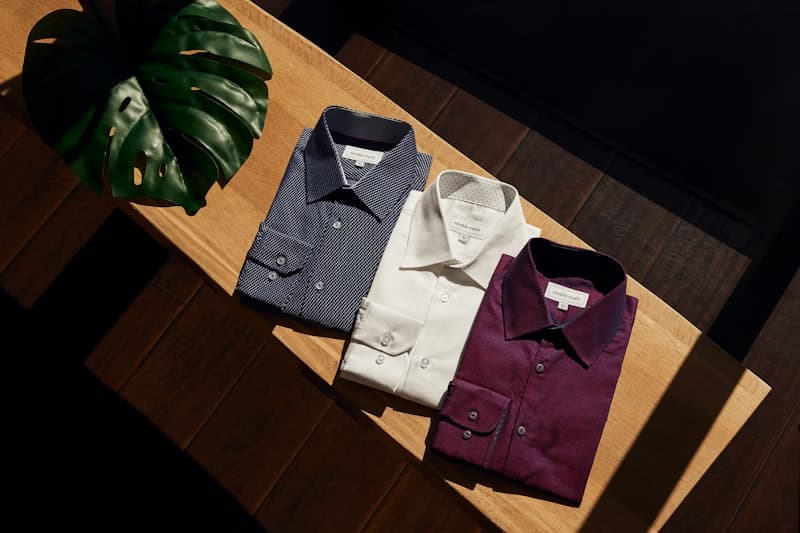
For shirts, look for performance oxfords and poplin shirts that incorporate stretch and moisture-wicking properties into traditional weaves and silhouettes. These shirts maintain their crisp appearance throughout a full workday, resist wrinkling during commutes and travel, and keep you comfortable through temperature changes from air-conditioned offices to outdoor walks. Brands like Mizzen and Main, Untuckit, and State and Liberty specialise in this specific category, producing shirts that look like traditional button-downs but perform like technical base layers in terms of comfort and breathability.
For layering, consider technical knitwear that bridges the gap between comfort and professionalism. A fine-gauge merino crewneck or a performance quarter-zip pullover can replace a traditional sweater or cardigan while offering greater range of motion, temperature regulation, and ease of care. The key is to avoid shiny synthetic fabrics that catch the light unnaturally, visible logos that scream athletic wear, and anything that looks like it belongs in a gym rather than an office. The best technical pieces are indistinguishable from traditional garments until you move in them and realise how much more comfortable and functional they are.
Outfit Formulas for Every Professional Scenario
For the creative office environment, try this proven formula: an unstructured navy blazer worn over a white performance oxford shirt, paired with charcoal technical chinos and clean white leather sneakers. This outfit works seamlessly for client meetings, collaborative brainstorming sessions, and focused desk work alike. The blazer provides structure and professional polish, while the sneakers and technical trousers keep you comfortable and mobile through a long, varied day without sacrificing style.
For business casual settings that allow some flexibility and personal expression, try a merino wool polo or a fine-gauge knit sweater with tailored performance chinos and minimalist sneakers or leather derbies depending on the formality level. Add a lightweight jacket or cardigan for cooler days and air-conditioned offices. This approach maintains a professional silhouette and aesthetic while incorporating technical fabrics where they matter most — in the areas that need stretch, breathability, and all-day comfort to keep you performing at your best.
For casual Fridays or off-site team events, elevate a high-quality t-shirt with a structured jacket and technical trousers for a look that is both relaxed and intentional. The t-shirt should be thick, well-fitted, and completely free of graphics or logos — solid colours only. French Terry or heavyweight pique cotton works best for this purpose. Layer with an unlined blazer or a bomber jacket in a refined fabric like waxed cotton or suede for texture. Finish with clean, minimalist sneakers or trainers that look deliberate rather than athletic.
What to Avoid: Common Athleisure Mistakes
The most common and damaging mistake in athleisure dressing is going too far in the athletic direction without enough traditional elements to balance the look. Leggings, joggers with elastic cuffs, hoodies with logos, and athletic sneakers with visible branding all belong in the gym, not the office. Even in the most relaxed workplace culture, these items signal that you are dressing for a workout rather than work, which undermines your professional credibility. The athleisure aesthetic requires restraint — you want people to notice that you look good and feel comfortable, not that you are wearing exercise clothes to a meeting.
Another common error is mixing too many technical fabrics in a single outfit, creating a look that lacks visual depth and texture. When everything you are wearing is a performance fabric, the outfit starts to resemble a uniform rather than a thoughtful, curated ensemble. Mix at least one traditional fabric — wool, cotton, leather, or suede — into every outfit to maintain visual interest and depth. A merino t-shirt feels great against the skin, but pair it with cotton chinos and leather sneakers rather than all-technical everything for a more balanced, sophisticated appearance.
Finally, avoid the temptation to prioritise comfort over fit, which is the most damaging compromise in athleisure dressing. Technical fabrics can create a sloppy, unprofessional silhouette if they are not properly fitted to your body. Stretch fabric is not an excuse for a baggy or ill-fitting cut — your athleisure pieces should be as well-tailored as traditional clothing. Take the time to find brands that fit your body type and consider having key pieces altered by a tailor. A perfectly fitted technical trouser looks more professional and intentional than an ill-fitting traditional suit, so invest the effort to get the fit right.
Building a Capsule Athleisure Wardrobe
Start with the pieces that will see the most use and provide the most versatility. Invest in two pairs of technical chinos — one in a dark neutral like charcoal or navy for versatility, and one in a lighter tone like khaki or olive for warmer months and casual days. Add two performance button-down shirts in classic colours — white and light blue — that will pair with everything else in your wardrobe. One unstructured blazer in navy or grey provides the anchoring piece you need to dress up any combination for client-facing situations.
For footwear, one pair of clean white leather sneakers and one pair of dark minimalist sneakers or trainers will cover the vast majority of situations you encounter. Add a merino wool crewneck sweater in a neutral colour for layering on cooler days. A technical bomber jacket or lightweight field jacket completes the outerwear layer for transitional seasons. With these seven to nine carefully chosen pieces, you can create dozens of outfits that range from client-ready professional to casual Friday appropriate with minimal effort.
The athleisure revolution is not about abandoning style for comfort — it is about demanding both from your wardrobe without compromise. Modern fabric technology and contemporary design have made it possible to look professional, feel completely comfortable, and move freely throughout your day in ways that previous generations could only dream of. The professionals who understand this shift and execute it well will find themselves ahead of the curve, dressed appropriately for the way we actually work and live today rather than how we worked fifty years ago.