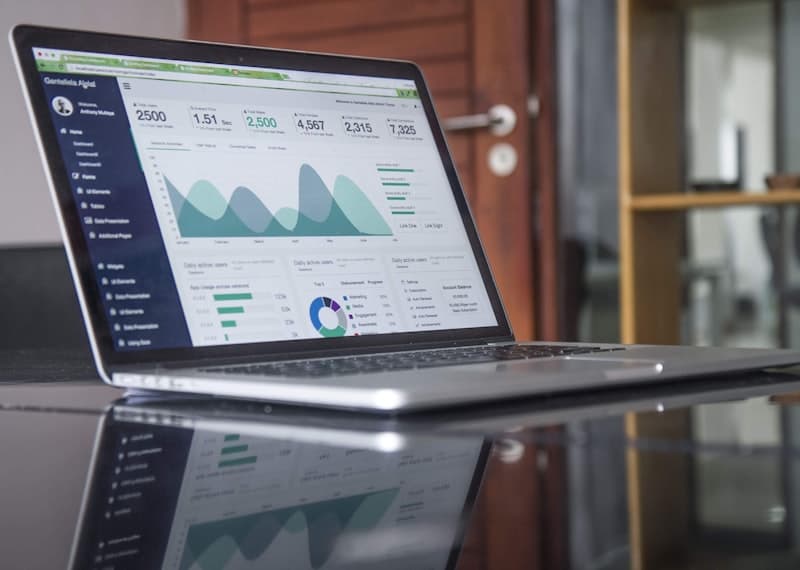
Visual Analytics Tools That Transform Ecommerce Store Data
Explore visual analytics tools that turn complex ecommerce data into intuitive charts, heatmaps, and dashboards. Improve decision-making with data visualization best practices.
The Power of Visual Data Interpretation
Humans process visual information 60,000 times faster than text. Yet many ecommerce stores rely on spreadsheets and text reports to analyze their performance data. Visual analytics tools bridge this cognitive gap by transforming raw numbers into charts, graphs, heatmaps, and interactive dashboards that reveal patterns and insights at a glance.
Effective visual analytics does more than make data look attractive — it surfaces actionable insights that would remain hidden in row-and-column formats. A heatmap of your product page might reveal that 70% of visitors never scroll past the fold, triggering a redesign of your above-the-fold content. A funnel visualization might show that your checkout abandonment spikes at the shipping cost display, prompting free shipping threshold testing.
Essential Visualization Types for Ecommerce
Different business questions require different visualization approaches. Line charts excel at showing trends over time — daily revenue, weekly traffic, monthly conversion rates. Bar charts effectively compare categories — product performance by SKU, channel contribution by source, campaign results by segment. Scatter plots reveal correlations between variables like ad spend and revenue.
Heatmaps deserve special attention in ecommerce analytics. Click heatmaps show exactly where users click on your pages, revealing which elements attract attention and which are ignored. Scroll heatmaps indicate how far down each page visitors typically scroll, informing content placement decisions. Session recordings complement heatmaps by showing individual user journeys, helping you understand the context behind aggregate click patterns.
Building Interactive Dashboard Systems
Static reports become outdated the moment they're generated. Interactive dashboards solve this problem by connecting directly to your data sources and updating in real time. Users can filter by date range, product category, customer segment, or marketing channel to drill into specific areas of interest without waiting for new reports.
Modern dashboard tools support drill-down hierarchies that let users click from high-level summaries to granular detail. Clicking on a revenue chart might reveal revenue by product category, then by individual SKU, then by variant and size. This exploration capability empowers team members to answer their own questions without relying on data analysts to create custom reports for every inquiry.
Top Visual Analytics Tools for Ecommerce
Google Looker Studio (formerly Data Studio) offers free, powerful visualization capabilities with native connectors for Google Analytics, Google Ads, and BigQuery. It's ideal for small to medium stores that need professional dashboards without significant software investment. Customizable templates speed up dashboard creation for common ecommerce metrics.
For more advanced needs, Tableau and Microsoft Power BI provide enterprise-grade visualization with sophisticated analytics capabilities. These tools support complex calculations, predictive modeling visualizations, and AI-driven insight generation. They integrate with virtually any data source through connectors and APIs, making them suitable for stores with diverse technology stacks.
Heatmap-specific tools like Hotjar and Crazy Egg focus on visual behavior analytics. They overlay click, movement, and scroll data directly on your live pages, providing immediate visual feedback about how visitors interact with your site. A/B testing integration lets you compare heatmaps across variations to see which design changes actually improve user behavior.
Implementing Visual Analytics Best Practices
Start with clear business questions rather than building dashboards around available data. Ask what decisions you need to make and design visualizations that directly inform those decisions. Avoid dashboard clutter — every chart should serve a specific purpose and support a clear action.
Use consistent color schemes and labeling conventions across all visualizations to reduce cognitive load. Choose chart types that match your data's structure — don't use pie charts for more than five categories, avoid 3D effects that distort perception, and always include axis labels and data sources. Train your team to interpret each visualization type correctly to maximize the value of your analytics investment.