Ecommerce Data Analytics 2026: AI-Powered Tools for Smarter Decisions
Guide to AI-powered ecommerce analytics in 2026. Covers predictive analytics, customer lifetime value modeling, inventory forecasting, and real-time dashboards using tools like Triple Whale and.
Data analytics in ecommerce has reached an inflection point in 2026. The volume of data generated by modern stores far exceeds what any human analyst can process, and traditional dashboard tools that simply visualize historical data are no longer sufficient. AI-powered analytics platforms now provide predictive insights, automated anomaly detection, and prescriptive recommendations that directly impact revenue and operational efficiency. This guide covers the tools and techniques that top-performing stores use to turn data into competitive advantage.
Predictive Analytics and Demand Forecasting
The most impactful AI analytics application in 2026 is demand forecasting. Tools like Lokad and Forecastly use machine learning models that analyze historical sales data, seasonality patterns, marketing campaigns, and even external factors like weather and economic indicators to predict future demand with remarkable accuracy. Lokad starts at $1,200 per month for enterprise ecommerce, but the ROI is substantial for stores with complex inventory needs. Forecastly offers a more accessible option at $49 per month for up to 500 SKUs. The AI models identify demand patterns that humans miss, such as the correlation between rain forecasts and umbrella sales in specific regions. A home electronics retailer using Lokad reported reducing excess inventory by 28% and stockout incidents by 45% within three months of implementation. The system automatically suggested promotional pricing for slow-moving SKU clusters two weeks before the end of each quarter.
Customer Lifetime Value Modeling
Understanding which customers are most valuable and why is critical for allocating marketing spend effectively. Tools like Retentioneering and Segment Predict use behavioral data to build sophisticated CLV models. Retentioneering starts at $199 per month and analyzes customer journey data to identify the touchpoints that drive long-term loyalty. The platform's AI clusters customers into segments based on predicted future value, not just past behavior. For example, it might identify a segment of customers who browsed three times without purchasing but then bought after receiving a specific email sequence. Segment Predict integrates directly with Segment's CDP and costs $0.08 per profile per month. A fashion retailer using Retentioneering discovered that customers acquired through Pinterest had a 40% higher 12-month LTV than Instagram-acquired customers, despite Instagram showing higher initial conversion rates. This insight shifted their acquisition strategy toward Pinterest and increased overall ROAS by 18% over six months.
Real-Time Anomaly Detection and Alerts
Ecommerce data generates millions of events per day, and manually monitoring for problems is impossible. AI-powered anomaly detection tools like Anodot and Splunk IT Service Intelligence automatically flag unusual patterns in real time. Anodot specializes in ecommerce metrics, monitoring everything from conversion rate drops to spike in abandoned carts and sudden changes in average order value. The platform costs $500 per month for mid-size stores and sends alerts via Slack, email, or SMS when anomalies are detected. What makes 2026 tools different from earlier versions is their ability to distinguish between genuine anomalies and normal fluctuations. During Black Friday, for example, the AI understands that a 300% traffic increase is expected and won't trigger alerts, but a 15% drop in checkout completion rate during that same surge will immediately notify the team. A DTC brand using Anodot caught a payment gateway outage within 90 seconds of it starting, reducing lost revenue by approximately $12,000 compared to their previous manual monitoring approach.
Unified Customer Dashboards with AI Insights
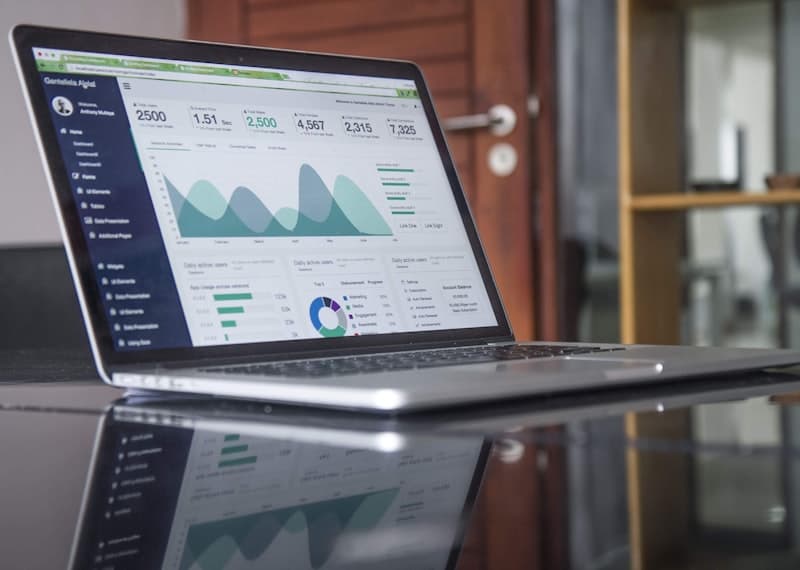
The fragmentation of ecommerce data across Shopify, Google Analytics, Facebook Ads, email platforms, and shipping providers creates blind spots. Unified analytics tools like Triple Whale, Northbeam, and Daasity consolidate all data sources into a single dashboard with AI-generated insights. Triple Whale costs $149 per month and connects directly to major ecommerce platforms and ad networks. Its AI Insight Engine automatically generates written summaries of key changes in your data, highlighting what changed, why it likely happened, and what action to take. For example, the system might note that your ROAS dropped 12% this week because TikTok ad frequency increased above 3.5, and recommend reducing frequency cap to 3.0. Daasity offers deeper data warehousing capabilities starting at $500 per month, with custom SQL access for advanced users who want to build their own models on top of consolidated data. The unified approach eliminates the hours spent cross-referencing reports from different platforms.
Inventory Optimization with AI
Inventory data analytics has advanced significantly in 2026. Tools like Inventory Planner and EcomChain use machine learning to optimize stock levels across warehouses and sales channels. Inventory Planner starts at $259 per month and integrates with Shopify, Amazon, and QuickBooks. The AI models calculate optimal reorder points, safety stock levels, and purchase quantities for each SKU, taking into account lead times, demand variability, and storage costs. The system also identifies slow-moving inventory before it becomes a cash flow problem. A sporting goods retailer using Inventory Planner reduced their total inventory value by 22% while maintaining a 97% in-stock rate on best-selling items. The platform's AI also suggested bundling slow-moving accessories with popular products, which cleared 60% of aging inventory within one quarter. The key metric to track is Inventory Turnover Ratio, and a well-optimized AI system should improve this by at least 1.5 turns per year.
Building Your Analytics Stack for 2026
Start with a unified dashboard like Triple Whale or Daasity to consolidate your data sources into one view. Layer in predictive analytics with Lokad or Forecastly if you manage more than 500 SKUs. Add anomaly detection with Anodot once your store processes over 1,000 orders per day. Implement CLV modeling with Retentioneering when your customer base exceeds 10,000 active profiles. Finally, optimize inventory with Inventory Planner or EcomChain. The total monthly investment for a comprehensive analytics stack ranges from $700 for a small store to $3,500 for a mid-size operation. The ROI comes from three sources: reduced inventory carrying costs, improved marketing efficiency through better attribution, and revenue recovery from faster problem detection. The stores that are winning in 2026 treat analytics not as a reporting function but as a continuous optimization loop where AI tools surface insights, humans make strategic decisions, and the system automatically implements tactical adjustments.