The Solopreneur's Guide to AI Mockup Generators
How solopreneurs can leverage AI mockup generators to create professional product demos, pitch decks, and landing page visuals without a designer.
Why AI Mockup Generators Are a Solopreneur's Secret Weapon
As a solopreneur, every minute counts. You don't have a dedicated design team to churn out product mockups, app screenshots, or landing page visuals. Yet, these visuals are critical for conversions — whether you're launching on Product Hunt, pitching to investors, or running Facebook ads.
AI mockup generators have evolved dramatically in 2025-2026. Tools like MockupGPT, Artboard Studio AI, and Canva's Magic Mockup can now generate photorealistic product presentations in seconds from a simple URL or screenshot. Here's how to make them work for your solo operation.
What AI Mockup Generators Can Do Today
The current generation of AI mockup tools goes way beyond placing a screenshot inside a phone frame:
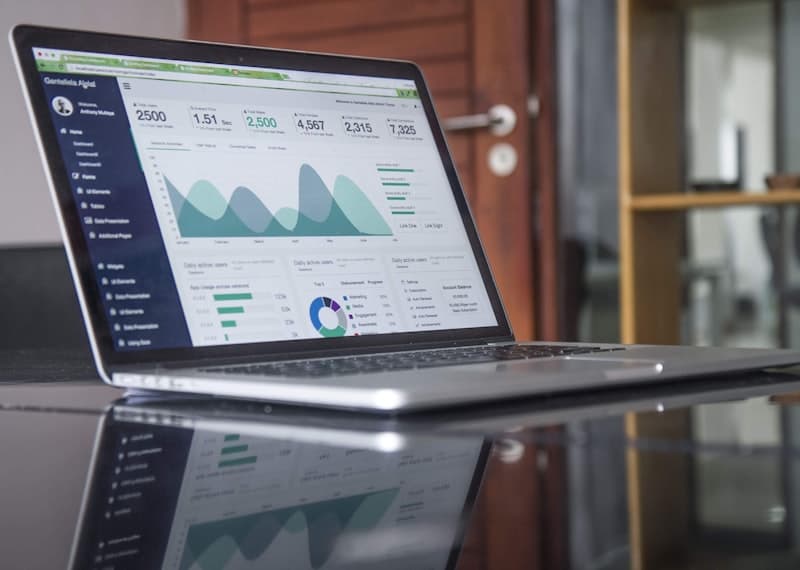
- Context-aware scene generation: Upload a screenshot of your SaaS dashboard, and the AI generates a full desk scene with a laptop, coffee cup, notebook, and ambient lighting — all matching your brand colors.
- Multi-device mockup arrays: Generate iPhone, iPad, MacBook, and Android mockups from a single source image, with consistent lighting and perspective.
- Custom branding integration: Train the AI on your brand kit (colors, fonts, logo variants) so every generated mockup feels on-brand.
- Animated mockups: Create looping GIFs and short video mockups for social media — showing app interactions, scroll behavior, or before/after states.
- Lifestyle integration: Place your product into AI-generated lifestyle photography — someone using your app in a coffee shop, at their desk, or on the go.
Step-by-Step: Setting Up Your Mockup Pipeline
Step 1: Choose Your Primary Tool
For solopreneurs, I recommend starting with one tool that covers 80% of your needs:
| Tool | Best For | Starting Price | Key Strength |
|---|---|---|---|
| MockupGPT | SaaS/app mockups | Free tier + $19/mo | Best scene generation |
| Artboard Studio AI | Product photography | $29/mo | Lifestyle integration |
| Canva Magic Mockup | All-in-one | Free (Pro $13/mo) | Easiest to learn |
| Placeit | Video mockups | $14.95/mo | Best animated mockups |
Step 2: Create Your Template Library
Don't regenerate from scratch every time. Build a library of 5-10 base templates:
- Hero section mockup — Dashboard on a glowing MacBook in a dark room
- Mobile app mockup — iPhone in hand, outdoor setting
- Social proof mockup — Customer testimonial overlaid on a mockup
- Feature comparison — Before/after side-by-side
- Team/About mockup — Your avatar in a professional setting
Step 3: Batch Generate for the Month
Block out 2 hours at the start of each month. Generate all mockups for:
- Landing page updates
- Social media posts (8-12 visuals)
- Email newsletter headers
- Sponsorship/media kit assets
This one batch session saves 10+ hours of manual design work.
Practical Use Cases
Product Hunt Launch
Your Product Hunt listing needs a compelling first image. Use an AI mockup generator to create a 3-device array showing your product on desktop, tablet, and phone. A/B test 3-4 variants in the first hour.
Landing Page Hero
Swap your generic hero image for a context-rich mockup. A/B tests consistently show 15-30% higher conversion rates on pages with product-in-context mockups versus generic stock photos.
Pitch Deck
Investors want to see traction, but they also want to imagine the product in use. A well-placed lifestyle mockup can communicate your value proposition faster than a paragraph of text.
Common Mistakes to Avoid
- Over-polishing: AI-generated scenes can look too perfect. Add a subtle grain or slightly desaturate to feel authentic.
- Ignoring mobile: 70%+ of your traffic is likely mobile. Always generate mobile-first mockups.
- Inconsistent lighting: If you use different mockups across your site, ensure lighting and color temperature match.
- Skipping A/B testing: The first mockup the AI generates might not be the best. Generate 5-10 variants and test.
FAQ
Q: Can I use AI mockups for commercial products?
A: Yes. Most AI mockup tools grant full commercial rights. Always check the specific tool's licensing terms — but the major players (Canva, MockupGPT, Artboard Studio) allow commercial use.
Q: How much time do AI mockup generators actually save?
A: A typical manual mockup takes 30-60 minutes. AI mockup generators produce one in 10-30 seconds. For a batch of 20 mockups, that's 10-20 hours saved per month.
Q: Do I need design skills to use these tools?
A: No. Most tools have a simple URL-to-mockup flow: paste your URL or upload a screenshot, choose a scene style, and download. No design software required.
Q: Can I customize AI-generated mockups?
A: Yes. Most tools output in common formats (PNG, SVG, PSD) that you can further edit. Some even allow direct editing of the 3D scene after generation.
Q: What about AI mockup generators for physical products?
A: Tools like Artboard Studio AI and Placeit support physical product mockups — T-shirts, mugs, books, phone cases, packaging — all generated from your artwork.
Summary
AI mockup generators are no longer a nice-to-have — they're a competitive necessity for solopreneurs. By setting up a simple batch-generation pipeline, you can produce professional-grade visuals that make your product look established, trustworthy, and ready for market. The time savings (10-20 hours/month) free you to focus on what actually matters: building and selling.