Best AI Inventory Forecasting Tools for Small Businesses
AI inventory forecasting helps small businesses avoid stockouts and overstock. Compare tools, pricing, and implementation strategies.
Why Small Businesses Need AI Inventory Forecasting
Small businesses face a unique inventory challenge: they lack the data science teams and enterprise budgets of large retailers but still suffer the same consequences of poor forecasting. Overstocking ties up cash that could fund growth — small retailers lose an average of 10 to 15 percent of annual revenue to dead stock. Understocking causes stockouts that erode customer trust and send shoppers to competitors. AI inventory forecasting tools bridge this gap by using machine learning to analyze sales history, seasonality, lead times, and external factors like holidays or weather patterns. The best part: these tools are now affordable at $29 to $99 per month, putting enterprise-grade forecasting within reach of any small business.
Top AI Forecasting Tools for Small Operations
Lokad offers specialized inventory AI that forecasts demand at the SKU level using 50+ data signals including weather data, economic indicators, and social media trends. Pricing starts at $129 per month but their entry tier handles up to 1,000 SKUs — suitable for growing small businesses. Forecastly integrates directly with Shopify and QuickBooks, providing reorder point calculations and safety stock recommendations from $29 per month.
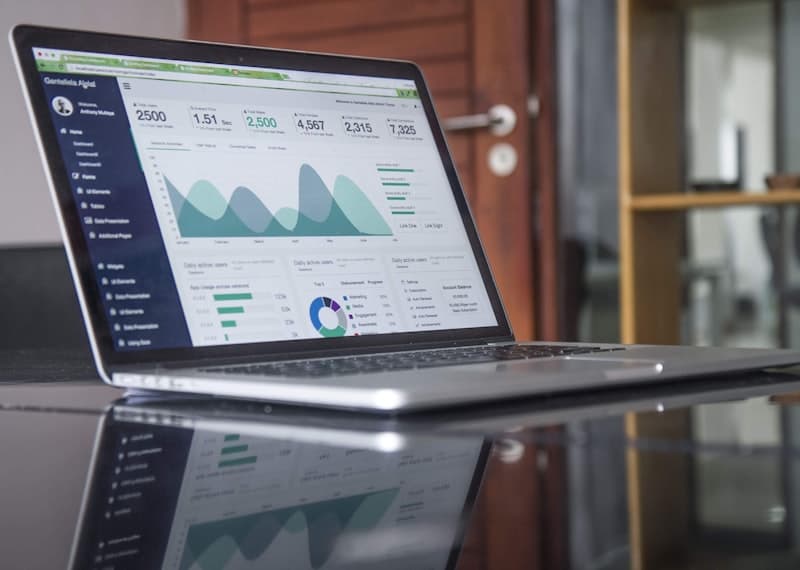
SaasAnt Inventory offers a simpler approach focused on small Shopify stores with automatic purchase order generation when stock falls below threshold — pricing is $19 per month. For warehouse-based operations, Cin7 combines inventory forecasting with order management across multiple sales channels, starting at $349 per month. Each tool provides a dashboard showing forecast accuracy percentages and adjustment recommendations.
Step-by-Step Implementation Guide
Start by exporting at least 12 months of historical sales data from your POS or e-commerce platform. Most forecasting tools require minimum 90 days of data to train their models, but 12 months provides significantly better accuracy by capturing annual seasonality patterns. Upload the data and configure your lead times — the number of days between placing a purchase order and receiving the stock.
Set safety stock levels based on your desired service level: 95 percent service level is standard for most small businesses, meaning you accept a 5 percent stockout risk. Review the tool's initial forecasts and adjust for known upcoming events like product launches or promotions. Monitor forecast accuracy weekly during the first month and adjust parameters as the model learns your specific sales patterns.
Key Metrics to Track
Three metrics determine whether your AI forecasting is working. Forecast accuracy measures how close predicted demand matches actual sales — anything above 80 percent is strong for small businesses. Inventory turnover ratio tracks how many times you sell through your average inventory in a year, with a target of 6 to 12 turns depending on your industry. Days of inventory on hand shows how long your current stock will last at current sales rates — most small businesses should aim for 30 to 45 days. The AI tool should provide all three metrics on a single dashboard. A quarterly review of these metrics against your financial statements validates whether the forecasting improvements are translating to real cash flow benefits.
Avoiding Common Forecasting Mistakes
The most common mistake small businesses make is over-relying on AI without human oversight. AI forecasting works best as a decision support tool, not a replacement for judgment. Always override the forecast when you know about upcoming promotions, supplier disruptions, or market changes the model cannot predict. Another mistake is forecasting at too high a level — always forecast at the individual SKU or variant level, not by product category. Colors, sizes, and configurations have very different demand patterns. Finally, update your lead time data regularly. A supplier that used to deliver in 7 days but now takes 14 days will break your safety stock calculations. Review lead times quarterly and update them in your forecasting tool to maintain accuracy.
ROI and Business Impact
Small business owners using AI inventory forecasting report a 20 to 40 percent reduction in stockouts and a 15 to 25 percent decrease in excess inventory within the first three months. For a small business with $500,000 in annual inventory spend, this translates to $75,000 to $125,000 in freed working capital. The time savings are equally valuable — AI forecasting eliminates the weekly spreadsheet updates that typically take 3 to 5 hours per week. Combined with automated purchase order generation, most small business owners recover 8 to 12 hours per month, which they reinvest into customer acquisition and product development.