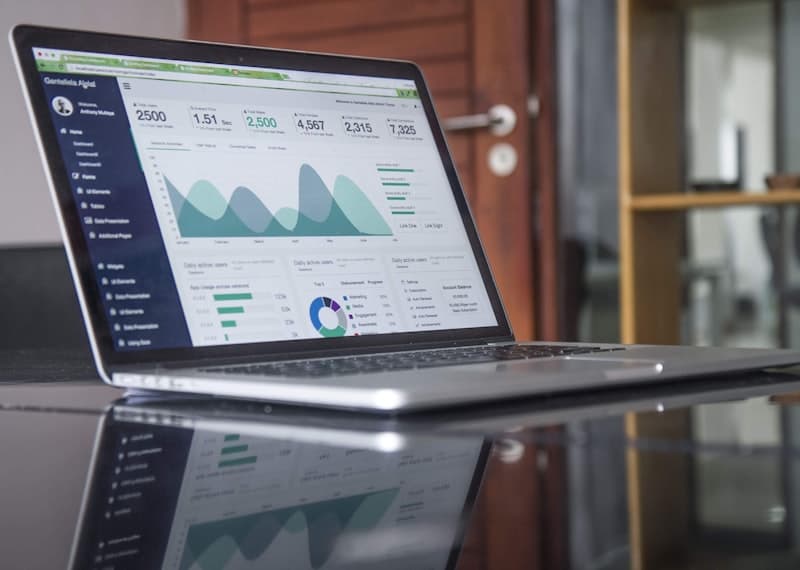
Top AI-Powered E-Commerce Dashboard Tools in 2026
Discover the best AI-driven e-commerce dashboard tools in 2026 that unify analytics, inventory, and customer insights into one intelligent command center for your store.
Why AI Dashboards Matter for E-Commerce in 2026
Running an online store in 2026 means juggling dozens of data streams — sales figures, ad performance, inventory levels, customer service metrics, and shipping status. Traditional dashboard tools simply display this data as static charts, leaving the hard work of interpretation to you. AI-powered dashboards change the game by surfacing actionable insights, detecting anomalies before they become problems, and even suggesting next steps. They transform your store's data from a passive report into an active strategic partner.
The shift toward AI-native commerce platforms is accelerating. According to recent industry surveys, merchants using AI-enhanced dashboards report a 30-40% reduction in time spent on routine reporting and a measurable improvement in inventory turnover rates. For small to mid-sized e-commerce businesses, these tools level the playing field against larger competitors with dedicated analytics teams.
Key Features to Look For
When evaluating AI dashboard tools, prioritize platforms that offer predictive analytics for demand forecasting. The best tools ingest historical sales data, seasonal trends, and even external factors like weather patterns to predict which products will sell and when. This directly impacts purchasing decisions and warehouse space allocation, reducing both overstock and stockouts.
Look for anomaly detection capabilities that flag unusual patterns in real time. A sudden drop in conversion rate, an unexpected spike in returns, or a payment gateway outage are all events that demand immediate attention. Advanced AI dashboards do not just show you the alert — they trace the root cause and suggest corrective actions. Integration breadth also matters; your dashboard should connect seamlessly with Shopify, WooCommerce, Amazon Seller Central, and major ad platforms like Google Ads and Meta.
Natural language query support is another game-changer. Instead of digging through menus to build a custom report, you can simply type "What were our top five products by revenue last week?" and get an instant answer. This makes data analysis accessible to every team member, not just those comfortable with SQL or BI tools.
Top AI Dashboard Tools in 2026
HexCommerce AI has emerged as the market leader for mid-market merchants. Its standout feature is the "Smart Forecast" module, which achieves 92% accuracy in 30-day demand predictions. The dashboard automatically generates weekly summary emails highlighting key changes, opportunities, and risks, reducing the cognitive load on busy store owners. Pricing starts at $79 per month for stores with up to 1,000 SKUs.
RetailPulse Pro excels in omnichannel retail operations. If you sell on your own site, Amazon, eBay, and Etsy simultaneously, RetailPulse Pro provides a unified view of inventory, orders, and profitability across all channels. Its AI agent, named Pulse, can automatically reallocate inventory between fulfillment centers based on regional demand patterns and can even suggest dynamic pricing adjustments to clear slow-moving stock.
Dashly is the best option for small stores and solo entrepreneurs. It offers a simplified interface that surfaces exactly three things on the main screen: cash position, top-selling products today, and any critical alerts. Despite its simplicity, Dashly includes powerful AI features like churn prediction for repeat customers and automated social media performance summaries. It integrates natively with Square, Stripe, and PayPal, making it ideal for businesses just moving beyond spreadsheets.
Implementation Best Practices
Start by connecting your most critical data sources first — typically your e-commerce platform, payment processor, and primary ad account. Adding too many integrations at once creates noise and makes it harder for the AI to establish baselines. Give the system two to four weeks of data before relying heavily on its predictive features.
Configure alerts thoughtfully. One common mistake is enabling every possible notification, which leads to alert fatigue and causes store owners to ignore genuinely important signals. Instead, set alerts for metrics that have direct cash flow impact: cart abandonment rate changes above 15%, payment failure surges, and inventory levels dropping below safety stock. Review and refine these thresholds monthly as your business patterns evolve.
Train your team on the natural language query feature during onboarding. Run a weekly "data review" session where each team member practices asking three business questions using the AI interface. Within a month, your team will develop the habit of consulting data before making inventory, marketing, and customer service decisions.
Measuring ROI from Your Dashboard
The most direct ROI metric is time saved on reporting. Track how many hours per week your team previously spent compiling manual reports versus reviewing AI-generated insights. A good benchmark is 80% reduction in report preparation time within three months of adoption. Multiply those hours by the blended hourly rate of your team to quantify hard dollar savings.
Inventory cost reduction is another major lever. Compare your stockout rate and excess inventory carrying costs before and after implementation. Stores using AI dashboards for demand forecasting typically see a 15-25% reduction in excess inventory within six months, directly improving cash flow. Additionally, track your average order value and customer lifetime value — many AI dashboards surface cross-sell and upsell opportunities that directly boost these metrics.
Future Trends in E-Commerce Analytics
The next frontier for AI dashboards is autonomous decision execution. Rather than simply recommending actions, upcoming tools will allow you to set guardrails and then let the AI automatically adjust ad bids, reorder inventory, and modify pricing within defined boundaries. Early adopters of these autonomous features report 20% higher profit margins on algorithmically managed product lines.
Voice-activated analytics are also gaining traction. Imagine asking your smart speaker during morning coffee "What is our projected revenue for today versus this time last month?" and receiving an instant spoken summary. Several dashboard providers are beta testing voice interfaces designed specifically for warehouse and fulfillment center environments where hands-free data access is invaluable.