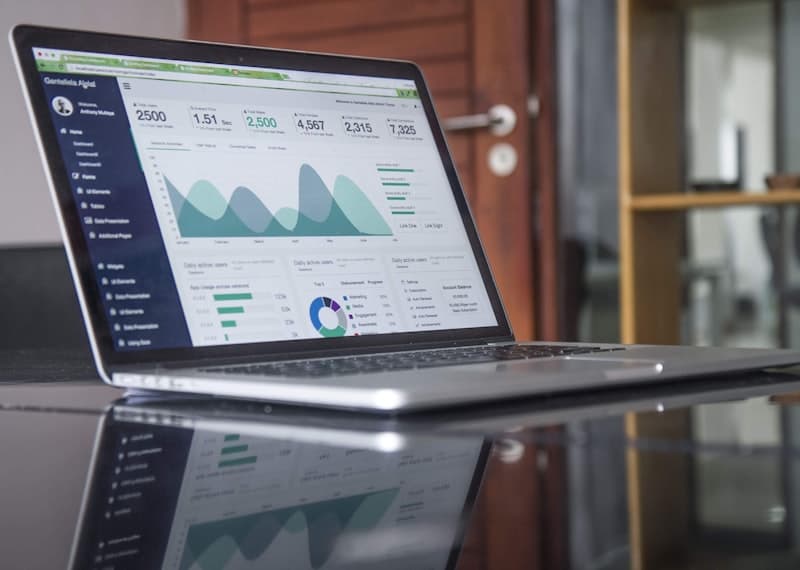
Building Real-Time AI Dashboards for Ecommerce Analytics
Learn how to build real-time AI dashboards to transform ecommerce data into actionable insights. Discover essential metrics, visualization tools, and automation strategies for data-driven decisions.
Why AI Dashboards Matter for Ecommerce
In the fast-paced world of online retail, data is your most valuable asset. Every click, cart addition, and checkout event generates information that can drive smarter business decisions. However, raw data is useless without proper visualization and analysis. AI-powered dashboards bridge this gap by transforming complex datasets into intuitive, real-time visualizations that even non-technical team members can understand.
Traditional analytics tools require manual querying and produce static reports that become outdated quickly. AI dashboards, by contrast, continuously learn from your data, surface anomalies automatically, and adapt their views based on your business priorities. They eliminate the friction between data collection and decision-making, allowing you to spot trends and react to market changes in minutes rather than days.
Key Metrics Every Ecommerce Dashboard Should Track
Your dashboard should focus on metrics that directly impact revenue and customer satisfaction. Start with conversion rate optimization — track funnel performance from landing page views through checkout completion. AI can identify which steps in your funnel lose the most customers and suggest targeted improvements.
Customer lifetime value (CLV) prediction is another critical metric. Machine learning models analyze past purchasing behavior to forecast future value, helping you allocate marketing spend toward high-potential segments. Pair this with real-time inventory turnover rates to ensure you never miss a sale due to stockouts while avoiding costly overstock situations.
Average order value (AOV) trends, customer acquisition cost (CAC), and return rates complete the core metric set. Leading AI dashboards layer predictive analytics on top of these basics, forecasting next-week revenue, flagging unusual refund patterns, and recommending dynamic pricing adjustments based on competitor activity and demand elasticity.
Choosing the Right Dashboard Technology Stack
Selecting the right tools for your AI dashboard depends on your team size, technical expertise, and data volume. For small to medium stores, cloud-based solutions like Google Data Studio combined with BigQuery offer scalable analytics without heavy infrastructure investment. These platforms natively integrate with Shopify, WooCommerce, and Magento, pulling data automatically.
Mid-market operations benefit from dedicated ecommerce analytics platforms that include built-in machine learning. Tools like Metabase and Tableau provide powerful visualization layers, while Python-based frameworks like Streamlit or Dash allow custom dashboard development for teams with coding capability. The key is choosing a stack that supports real-time data streaming rather than batch processing, enabling live updates.
Implementing AI Features in Your Dashboard
Machine learning integration doesn't require a data science team. Modern dashboard tools include pre-built AI capabilities like anomaly detection, natural language querying, and automated insight generation. Configure anomaly detection to monitor your key metrics and send alerts when values deviate from historical patterns by statistically significant margins.
Natural language processing (NLP) features let team members ask questions like "What was our best-selling category last week?" and receive immediate answers without writing SQL queries. Automated insights go further by proactively surfacing patterns, such as "Revenue from email campaigns increased 23% after subject line personalization was implemented." These features democratize data access across your organization.
Real-Time Data Integration Strategies
Real-time analytics requires robust data pipelines. Implement event tracking using tools like Segment or Snowplow to capture customer interactions server-side and client-side. Stream this data through Apache Kafka or AWS Kinesis for processing before it reaches your dashboard. This architecture ensures sub-second latency between a customer action and its appearance in your analytics view.
Set up webhook integrations with your ecommerce platform to receive instant notifications about orders, refunds, and inventory changes. Combine live store data with external signals like social media sentiment scores and Google Trends to enrich your dashboard with market context. The goal is a single pane of glass that reflects both internal operations and external market conditions simultaneously.